
Histologia do Tempo
Histologia do Tempo explora a forma como o tempo deixa vestígios, estabelecendo um paralelismo entre o corpo humano e os objetos materiais. Tal como a histologia estuda os tecidos para revelar a sua estrutura e transformação, este trabalho propõe uma forma de ler o tempo através das marcas deixadas nas superfícies.
Este trabalho é o resultado da residência artística feita no GIMM — Instituto de Medicina Molecular da Gulbenkian —, realizada a convite da ECTOPIA LAB. Foi neste contexto de investigação e experimentação que desenvolvi uma reflexão sobre os vestígios do tempo nos materiais e a forma como o corpo e os objetos se transformam.
As rugas são um dos sinais mais visíveis do envelhecimento: registos de movimento, experiência e tempo vivido inscritos na pele. Revelam a forma como o corpo se transforma gradualmente, acumulando marcas que passam a fazer parte da sua identidade.
O projeto prolonga esta ideia para o papel. O tempo atua de forma lenta, mas contínua, marcando as superfícies tal como as rugas se formam na pele. A obra convida-nos a considerar como os materiais, à semelhança dos tecidos vivos, podem conservar a impressão das suas próprias histórias.
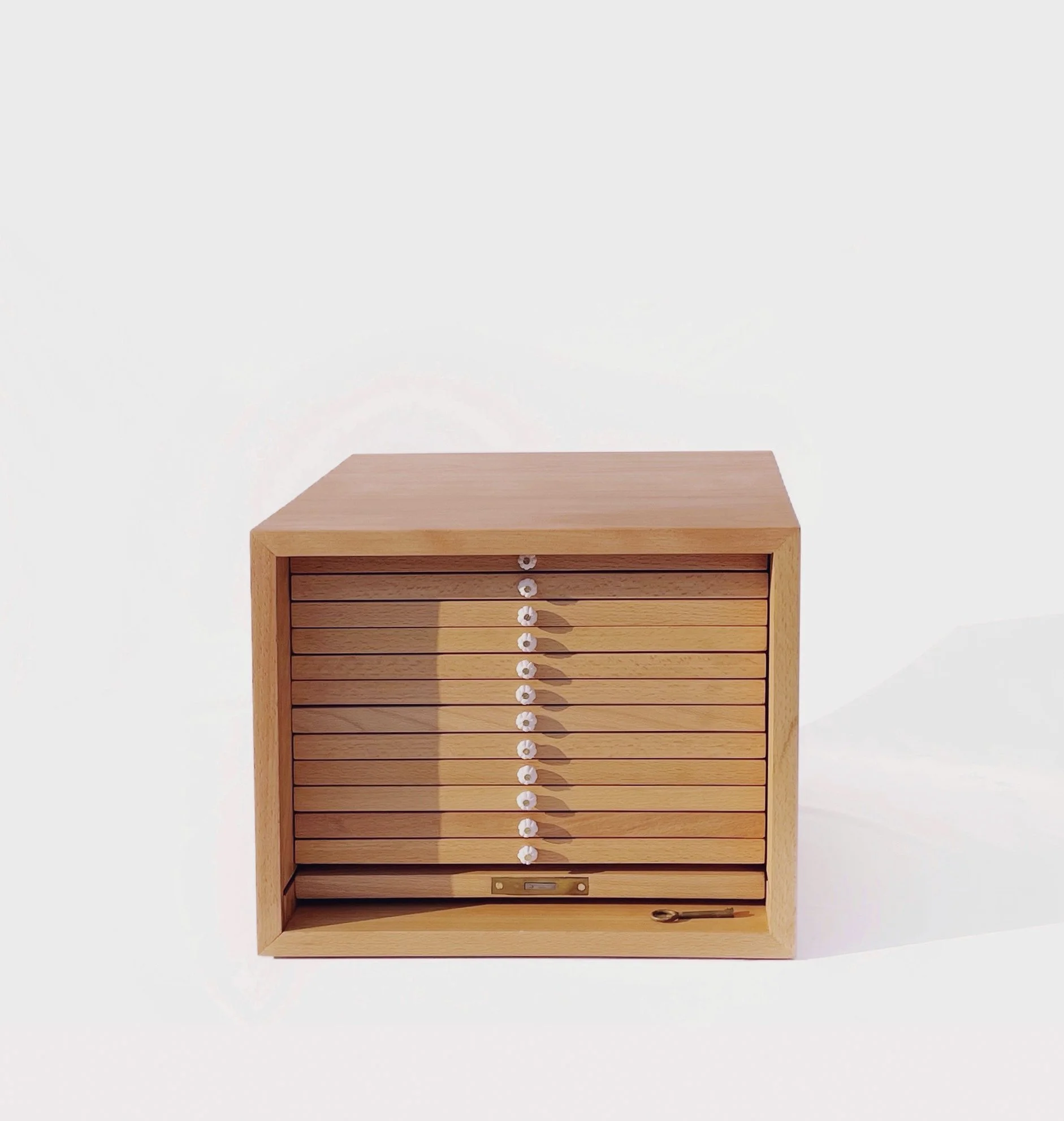
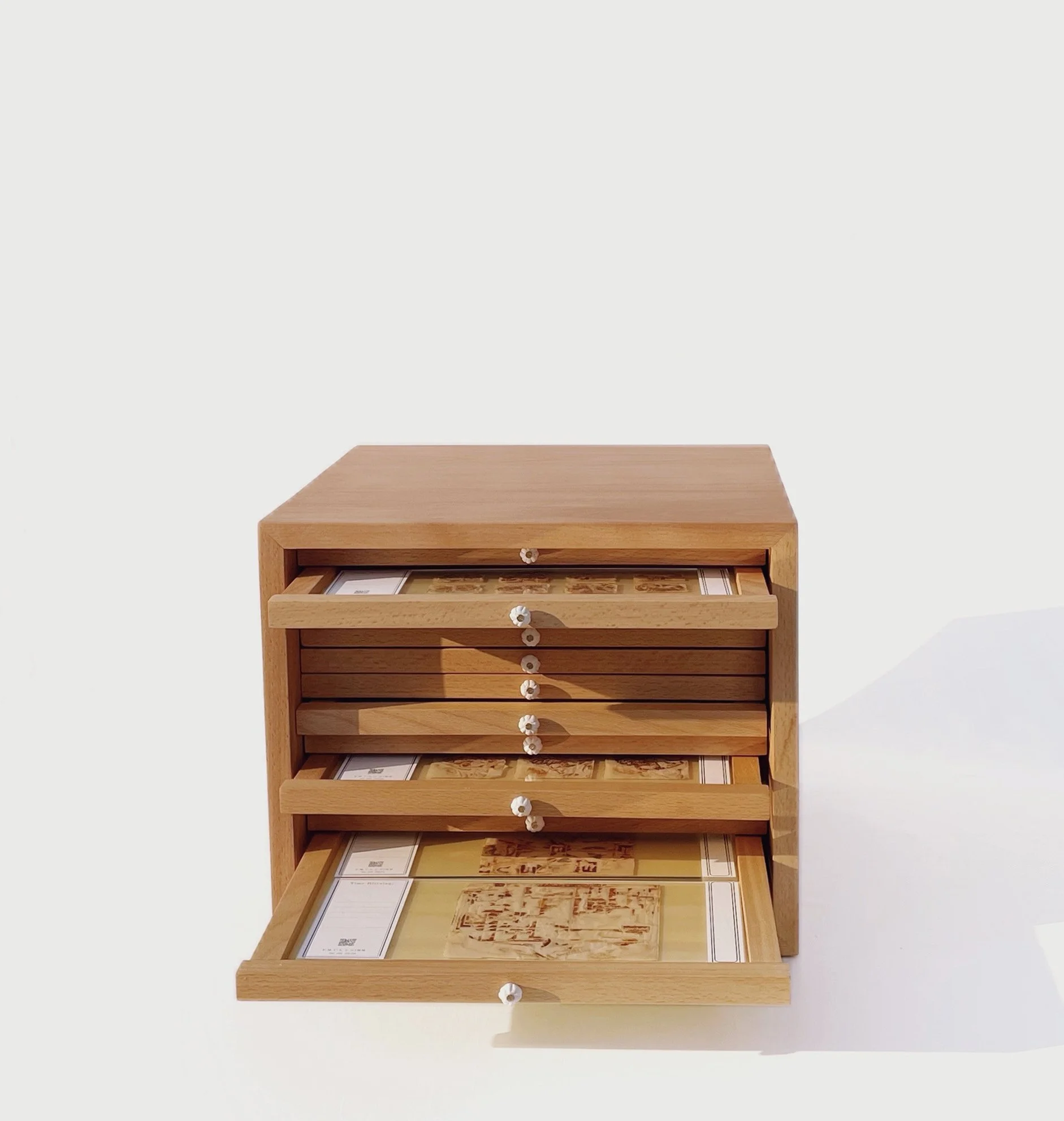
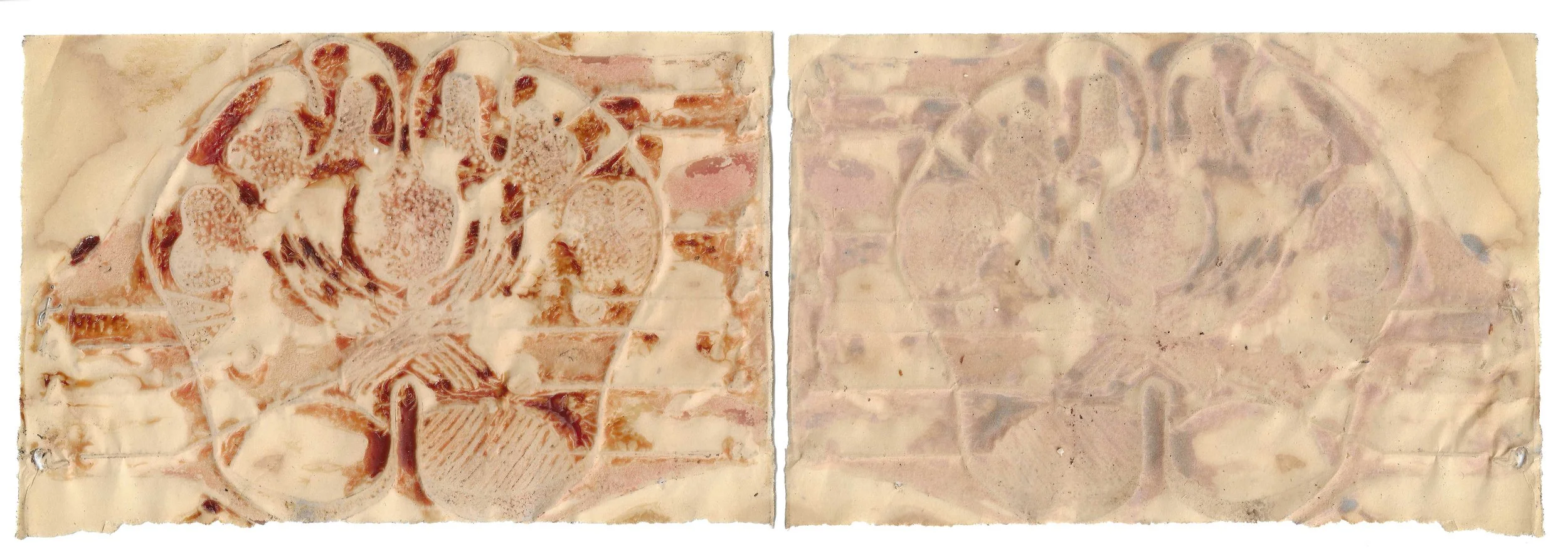
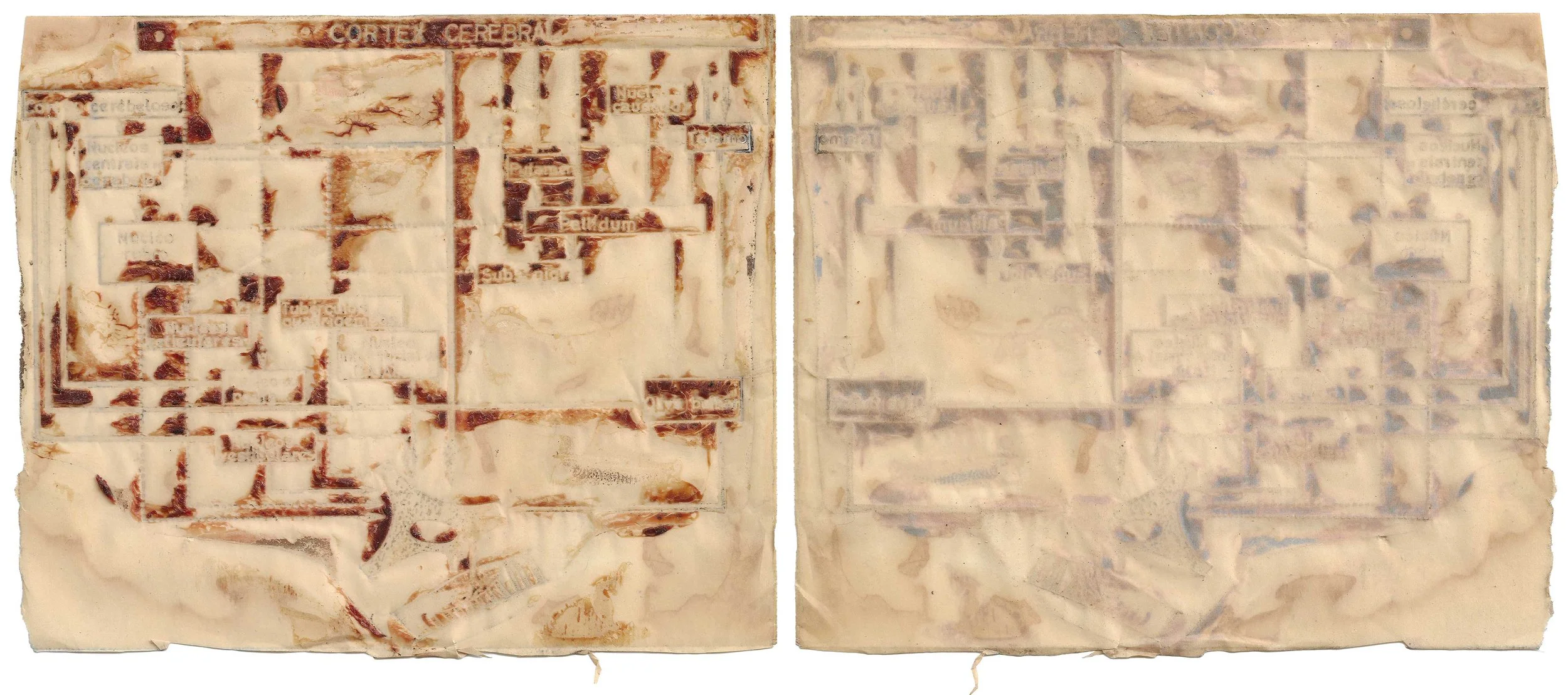
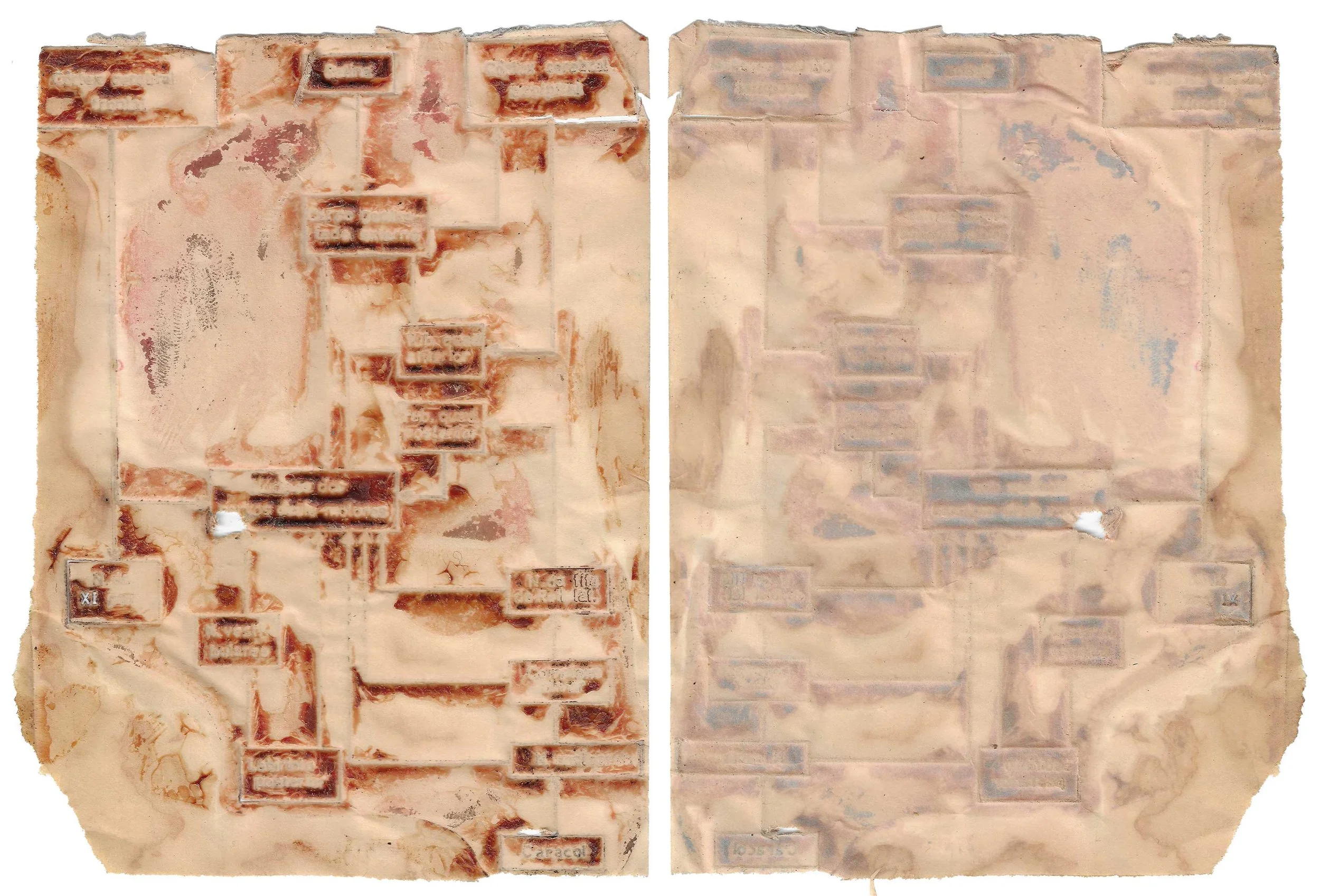
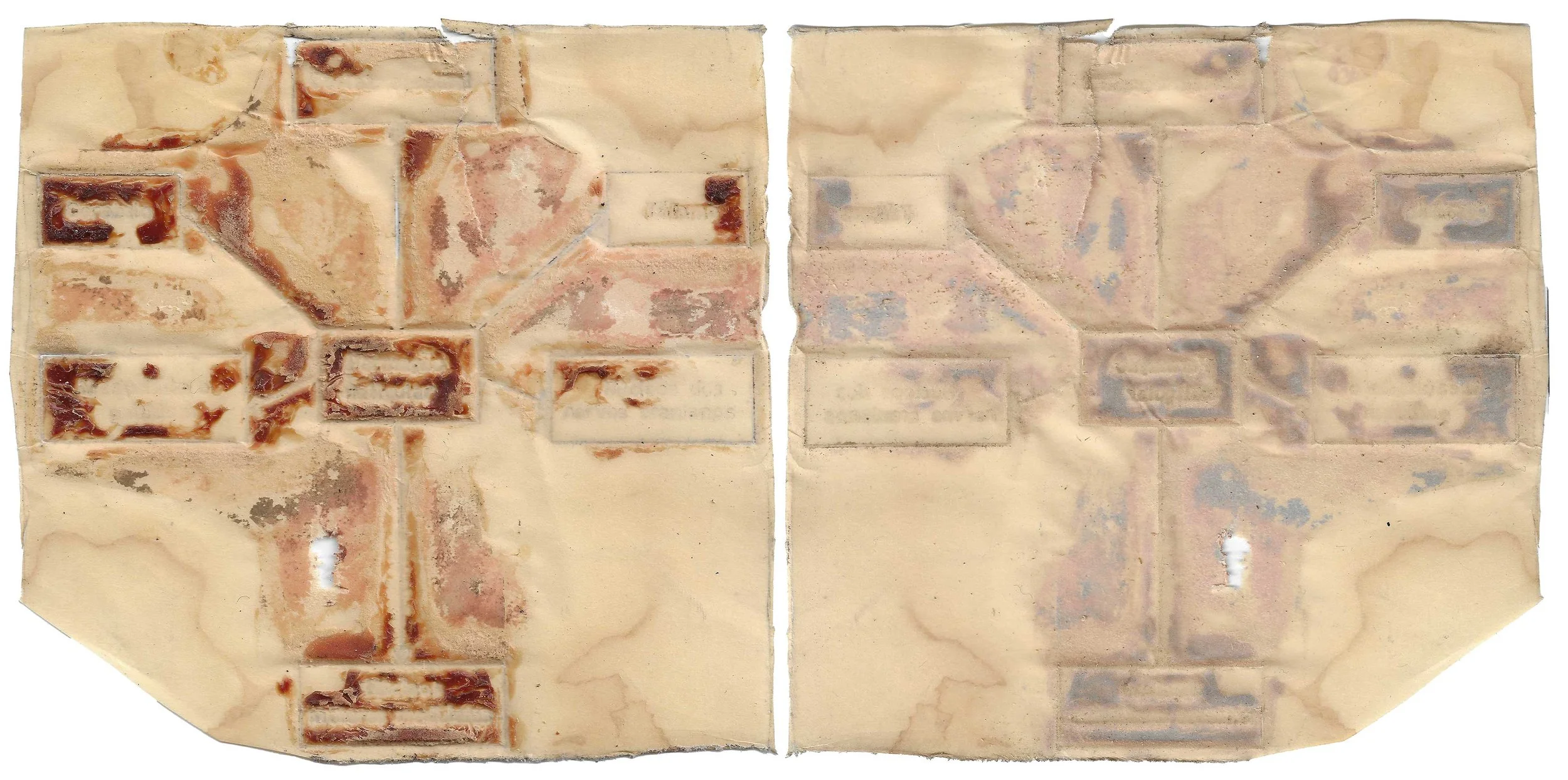
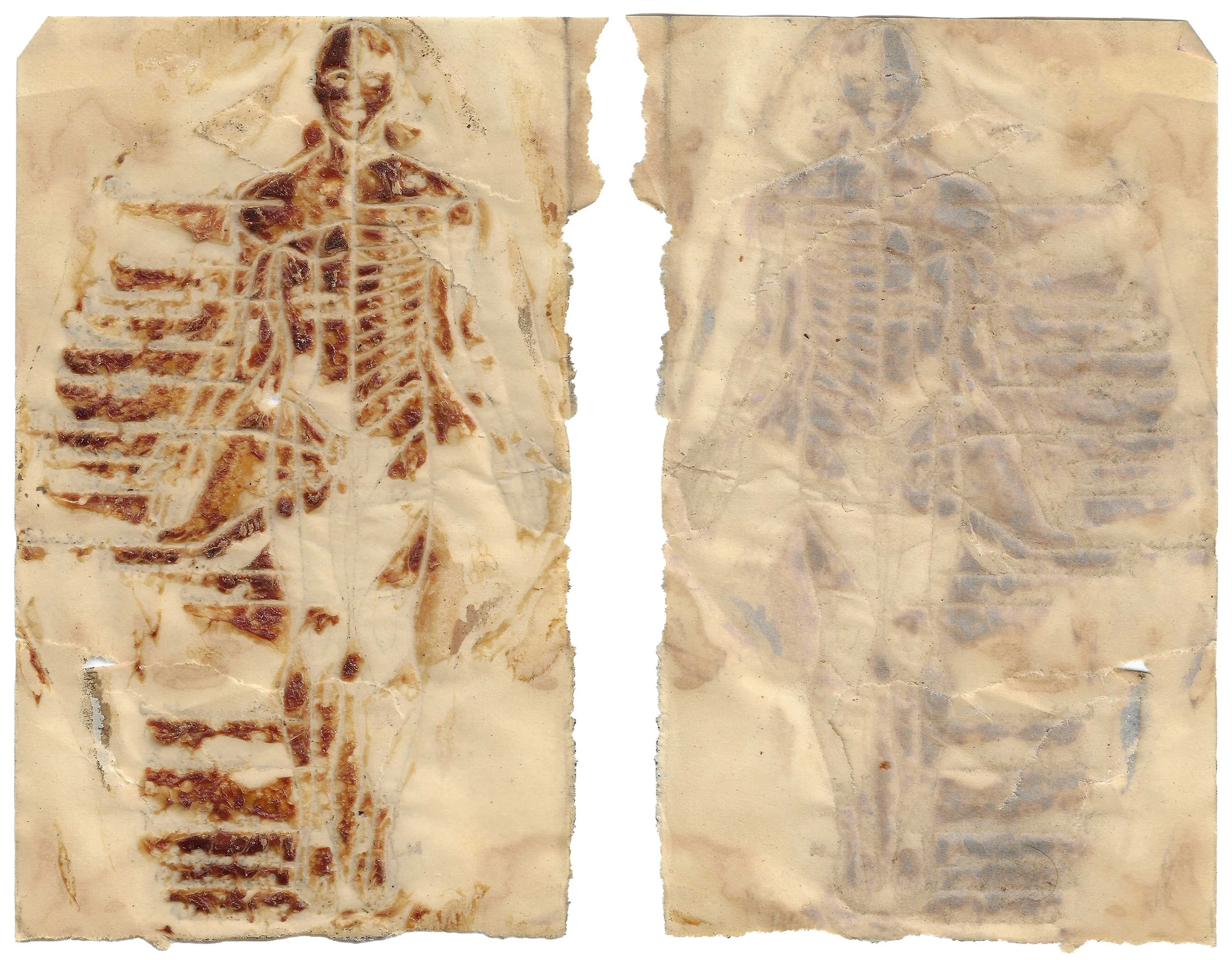
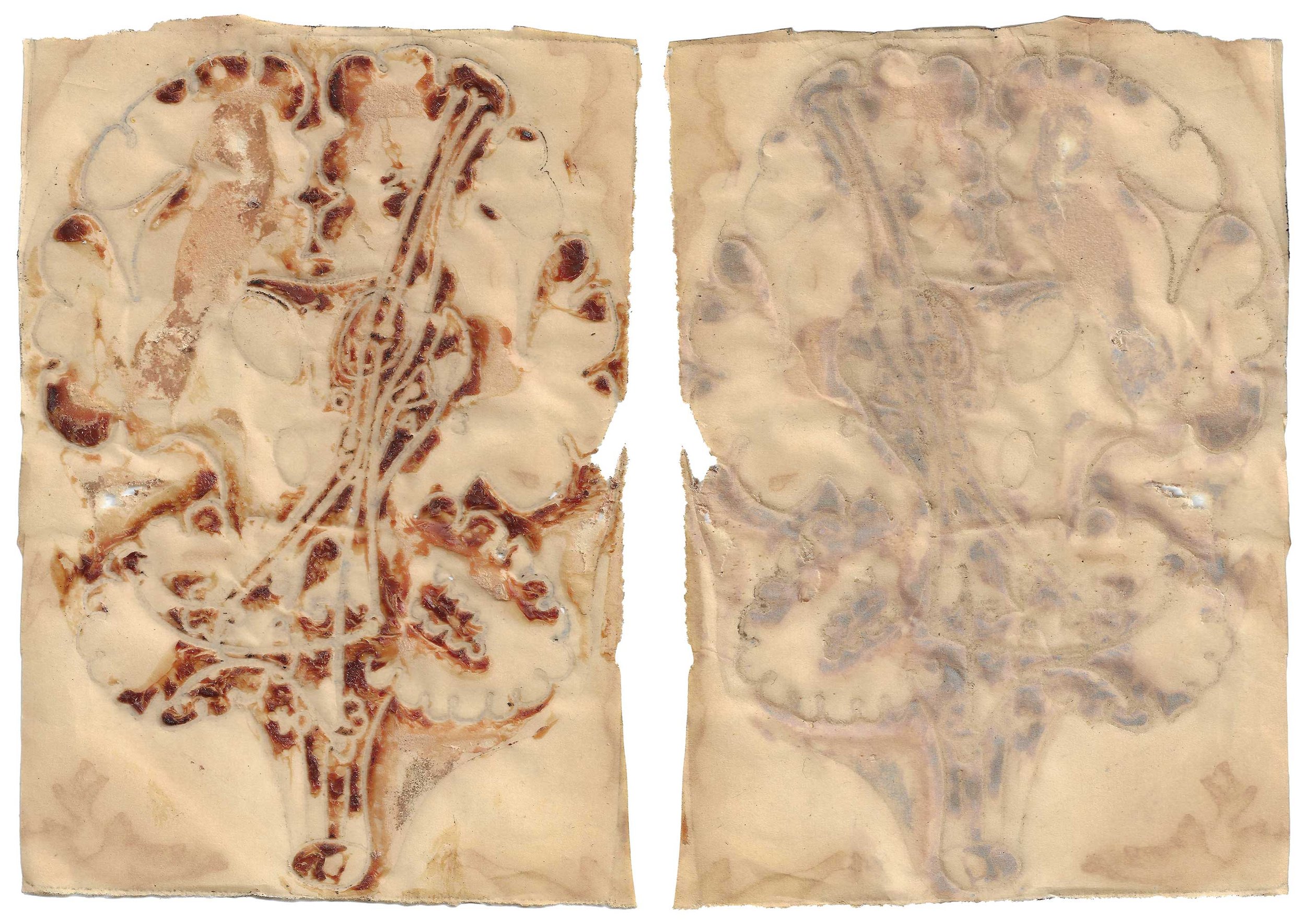
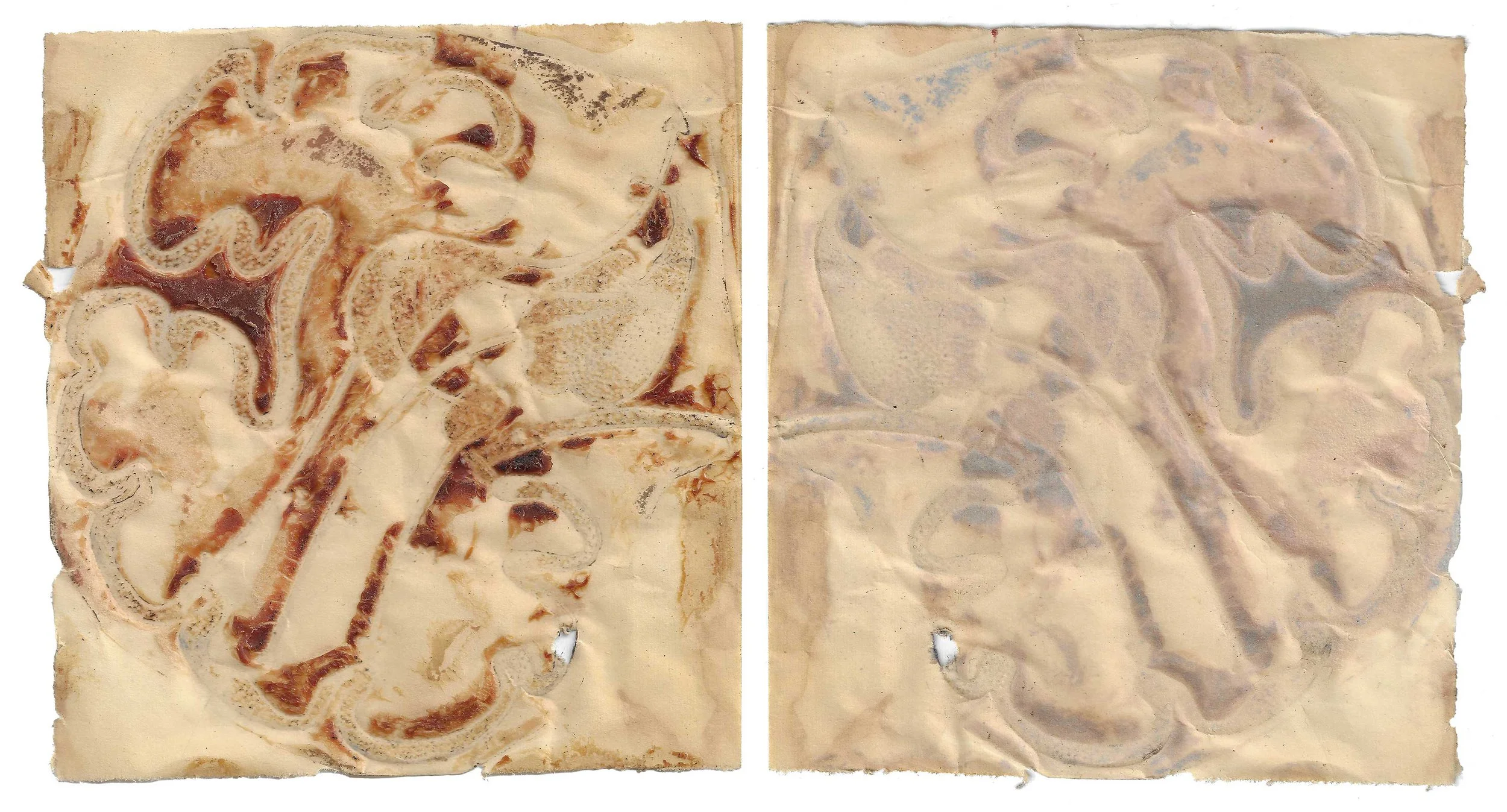
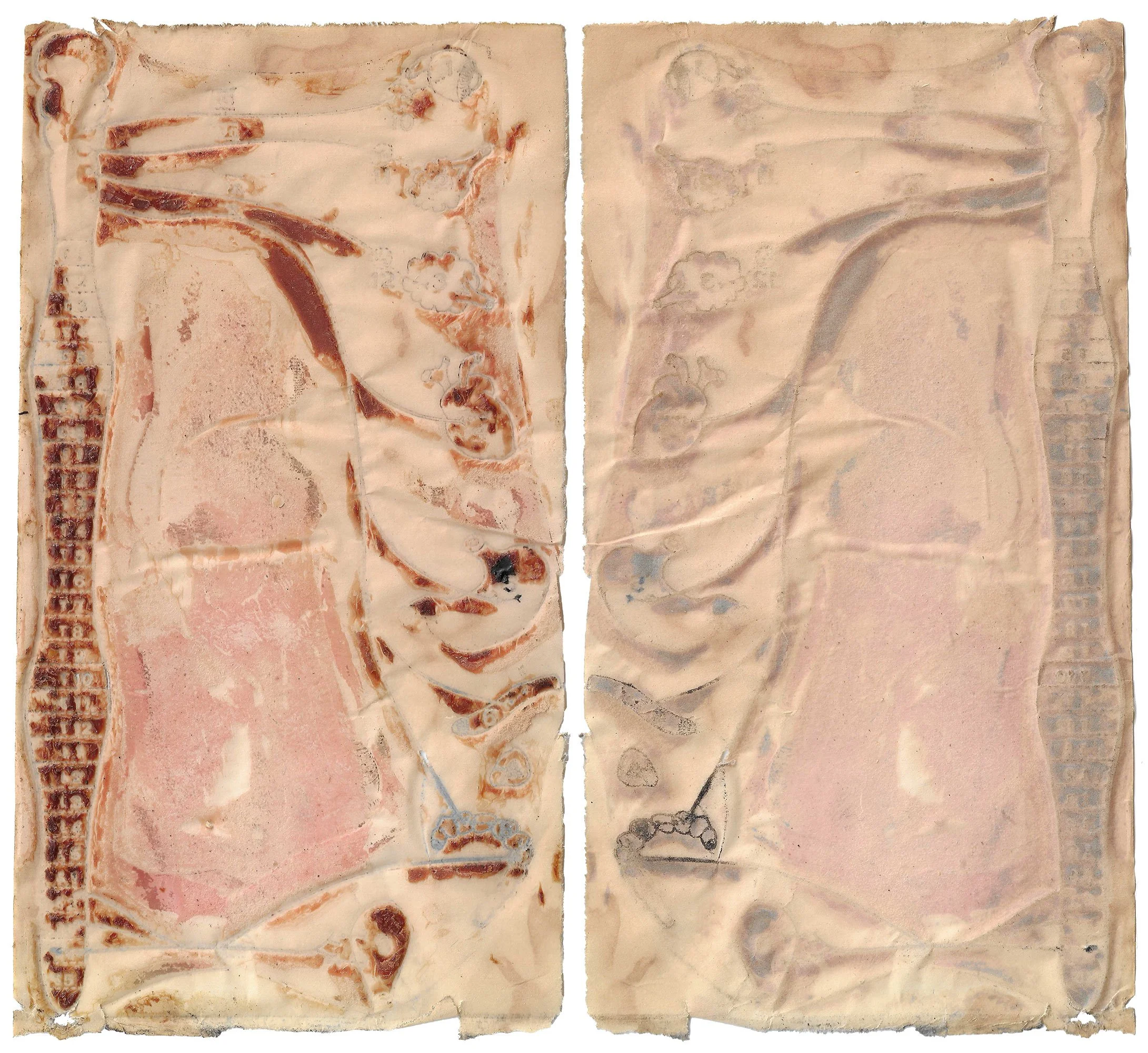
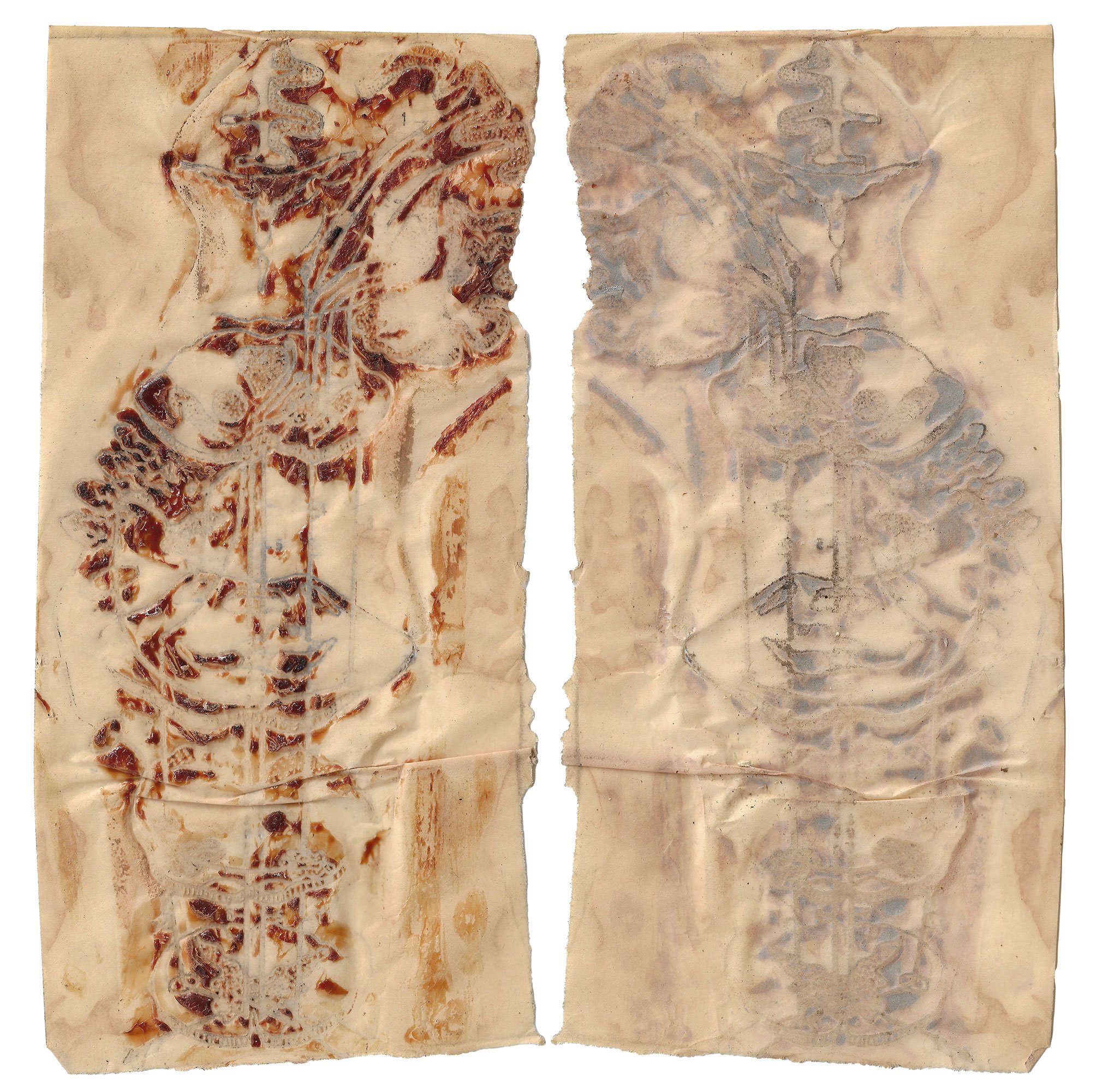
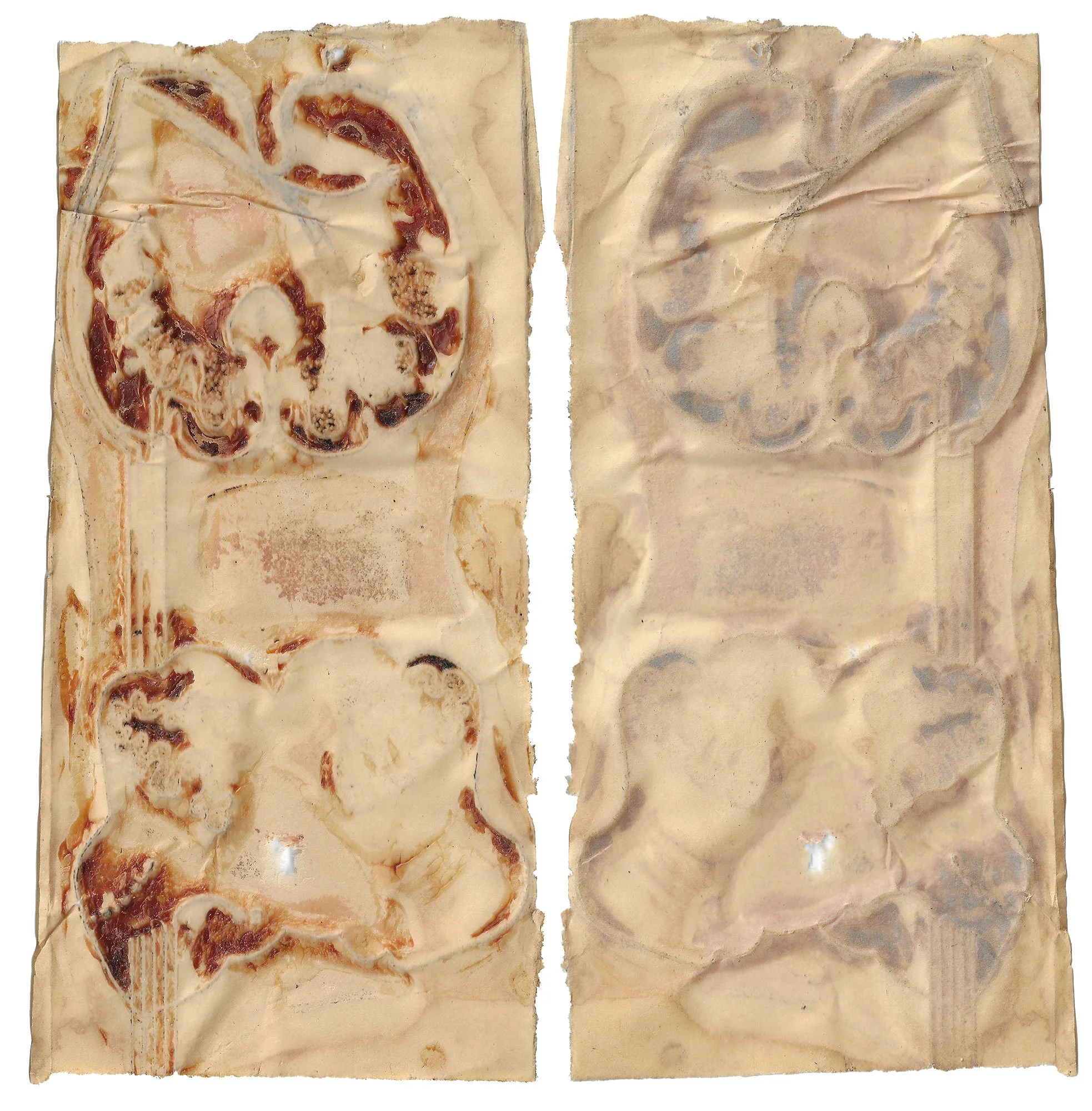
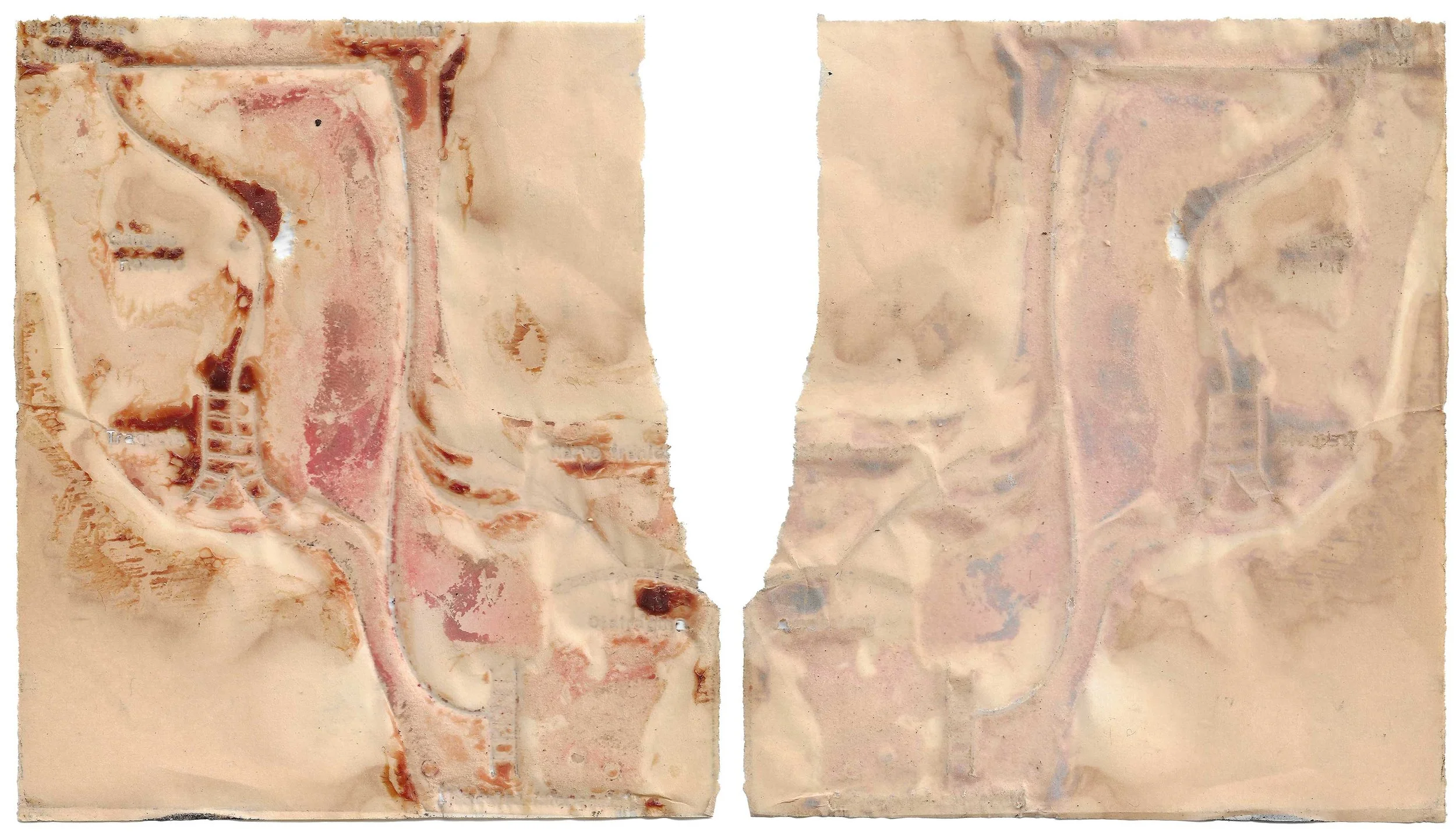
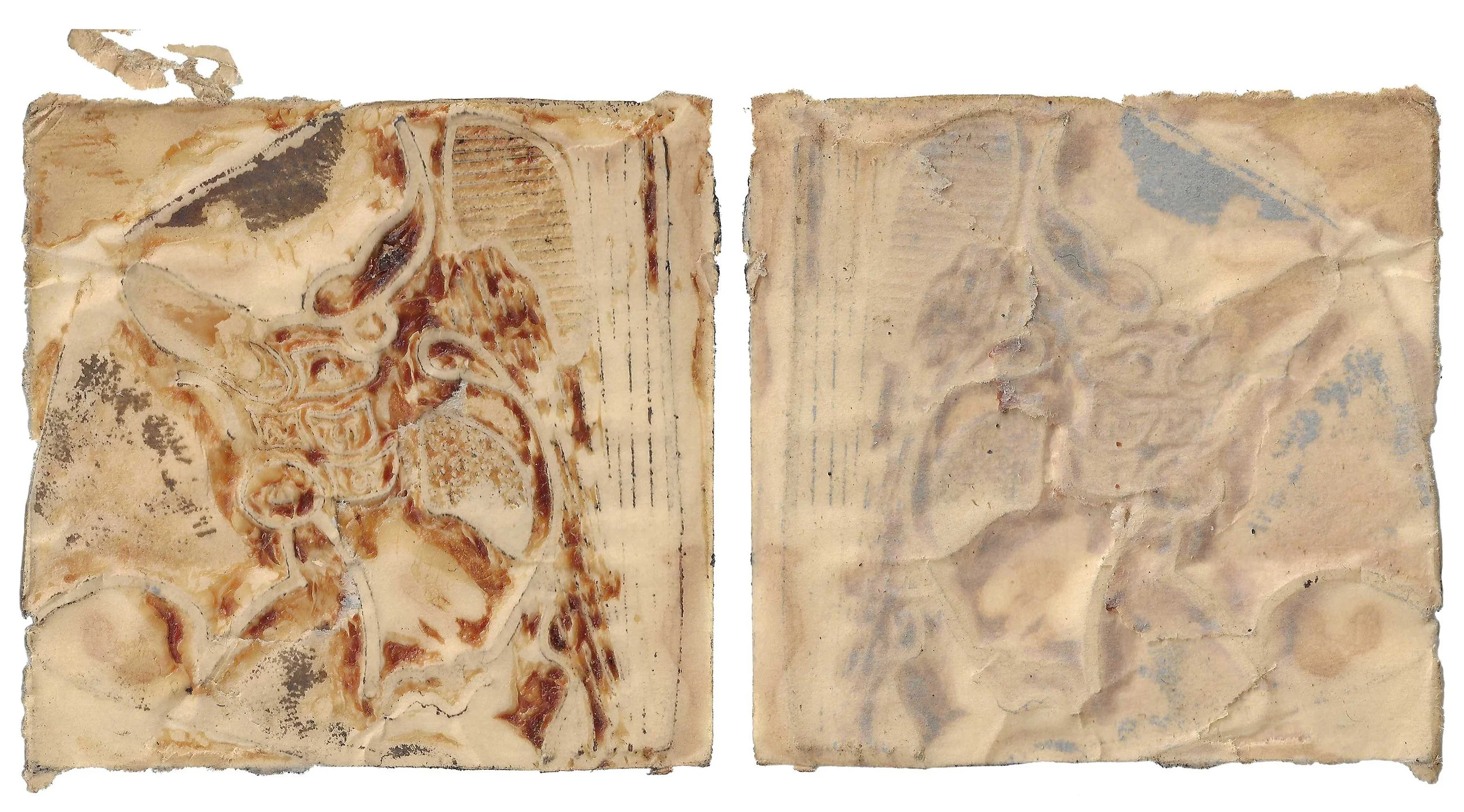
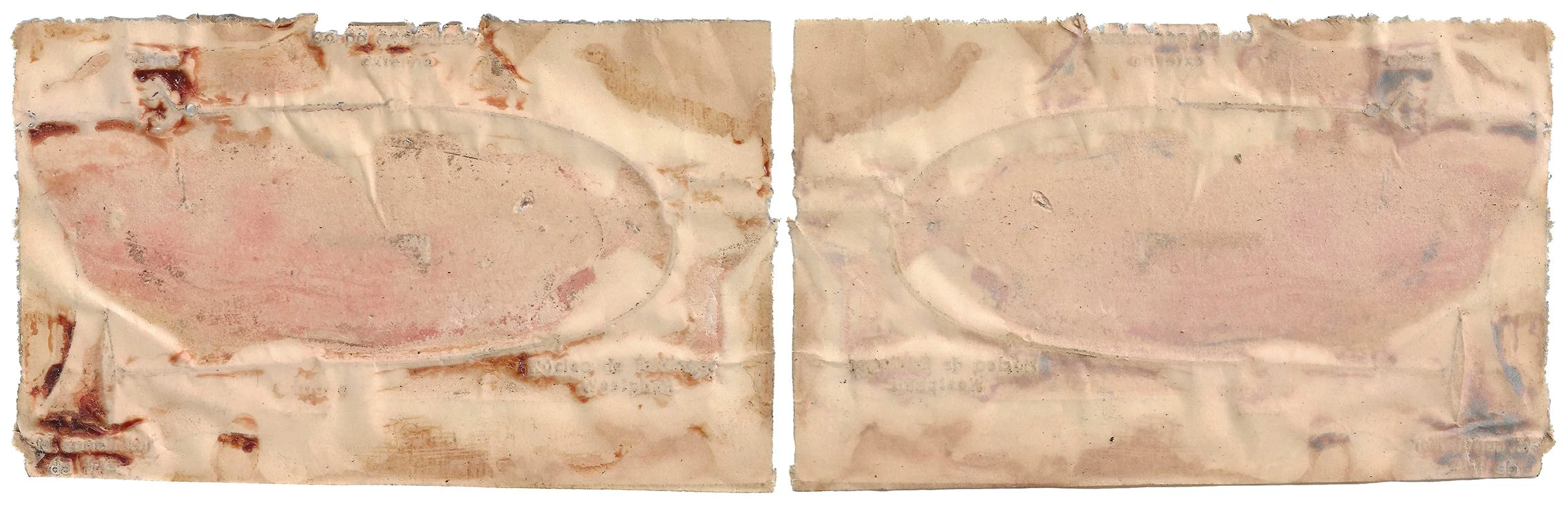
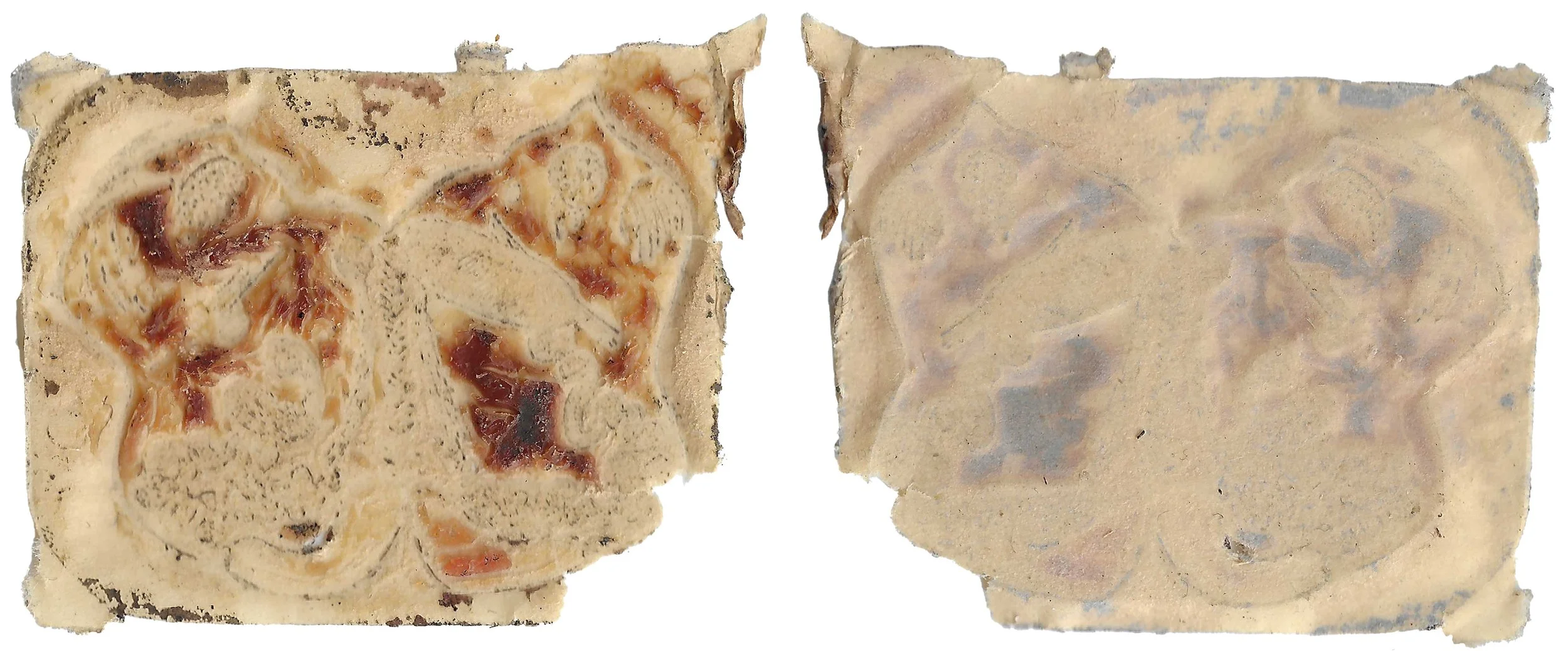
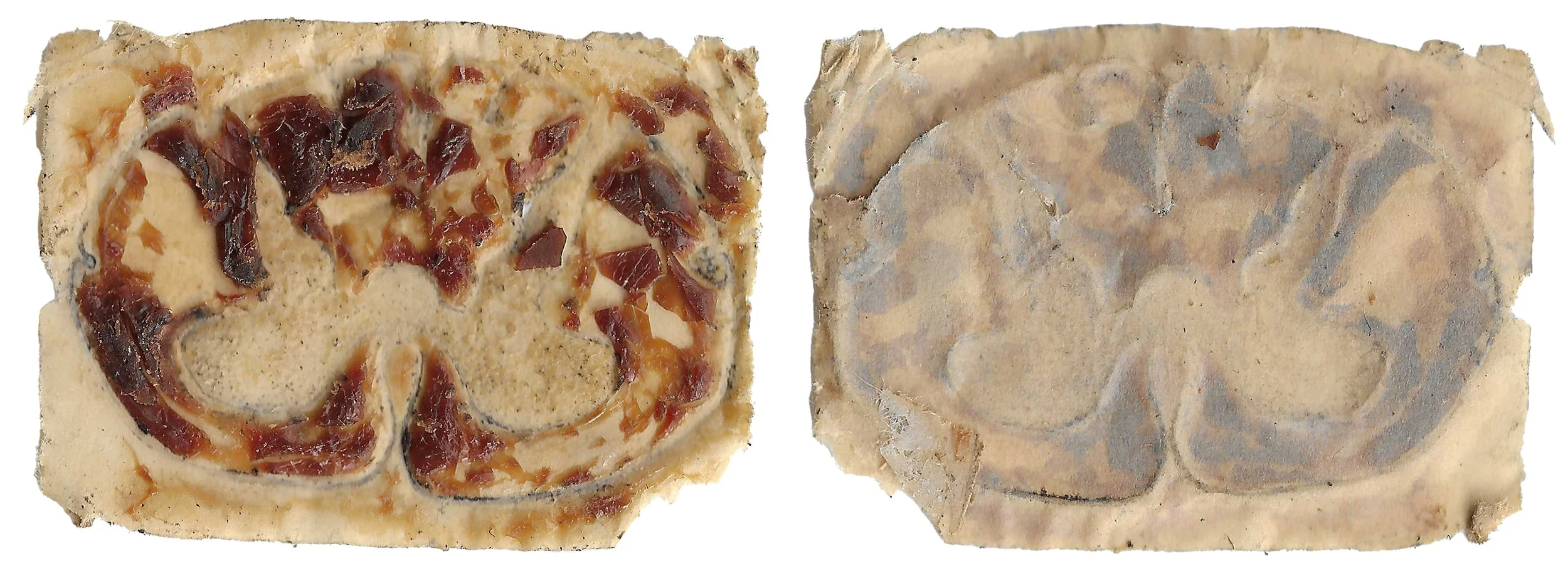
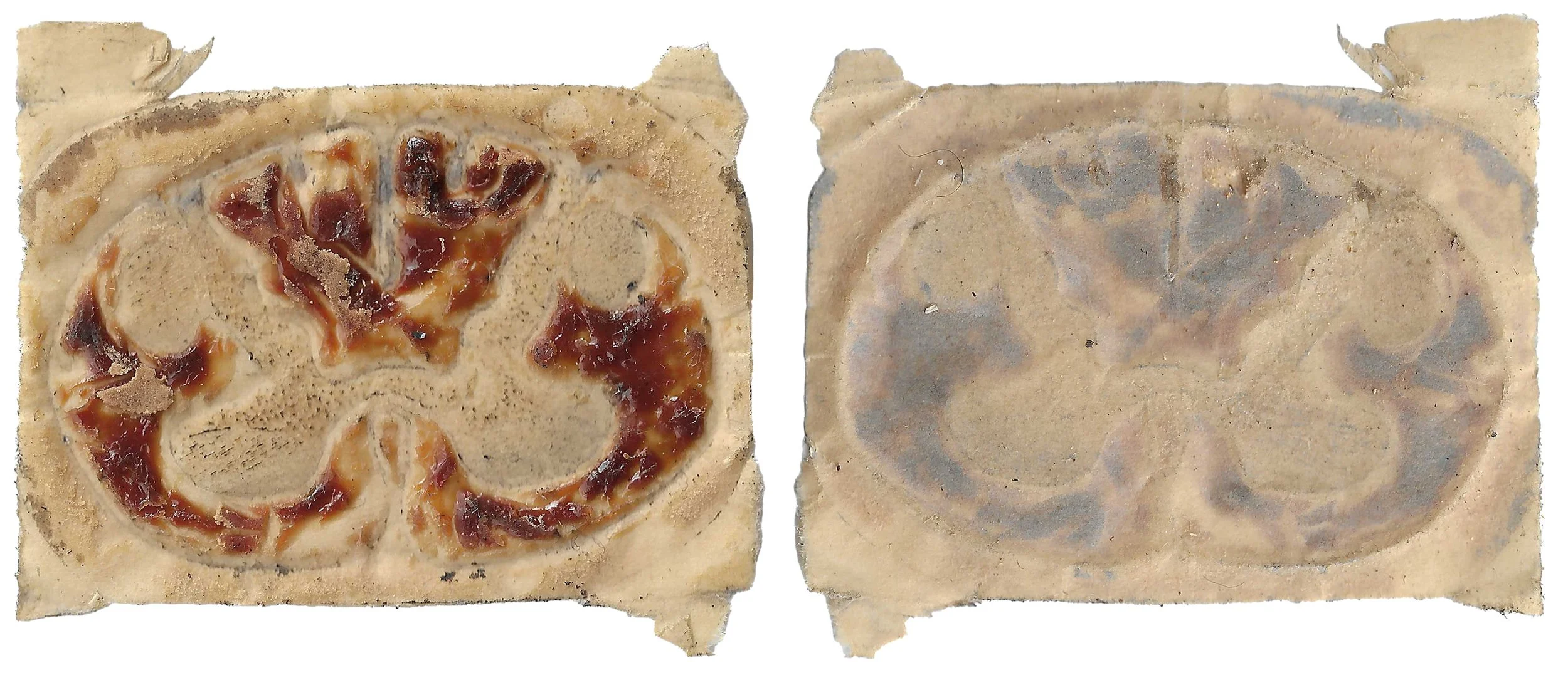
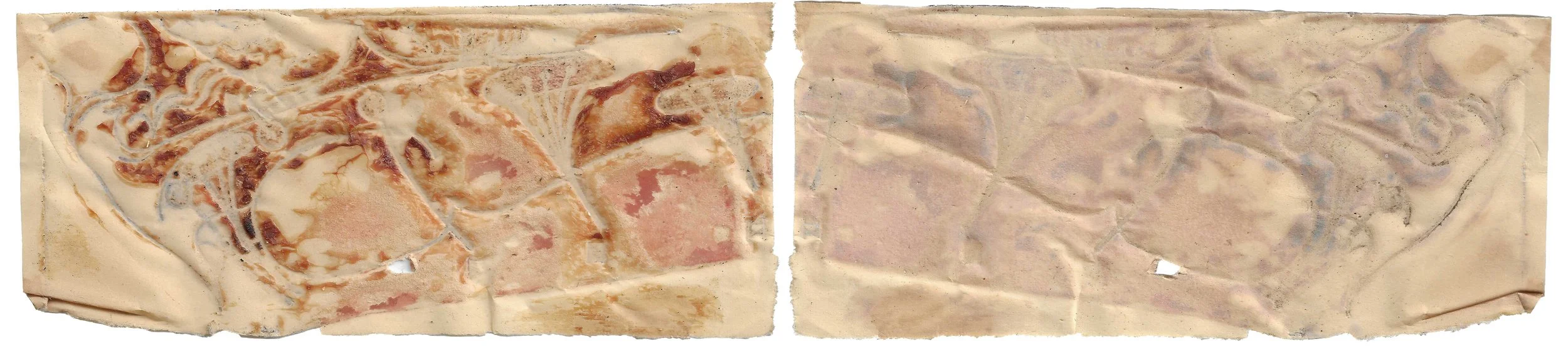
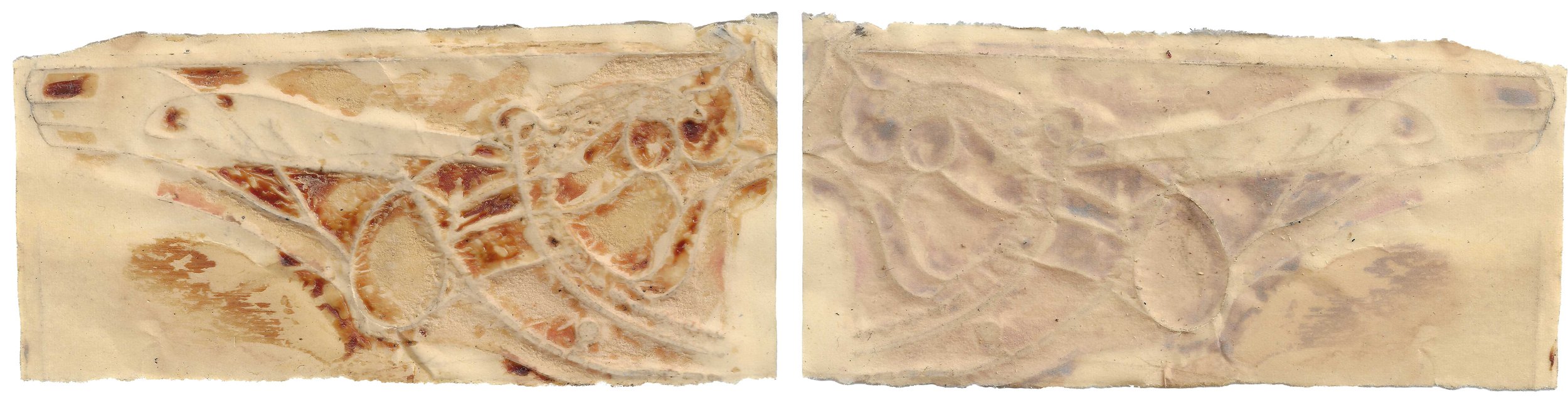
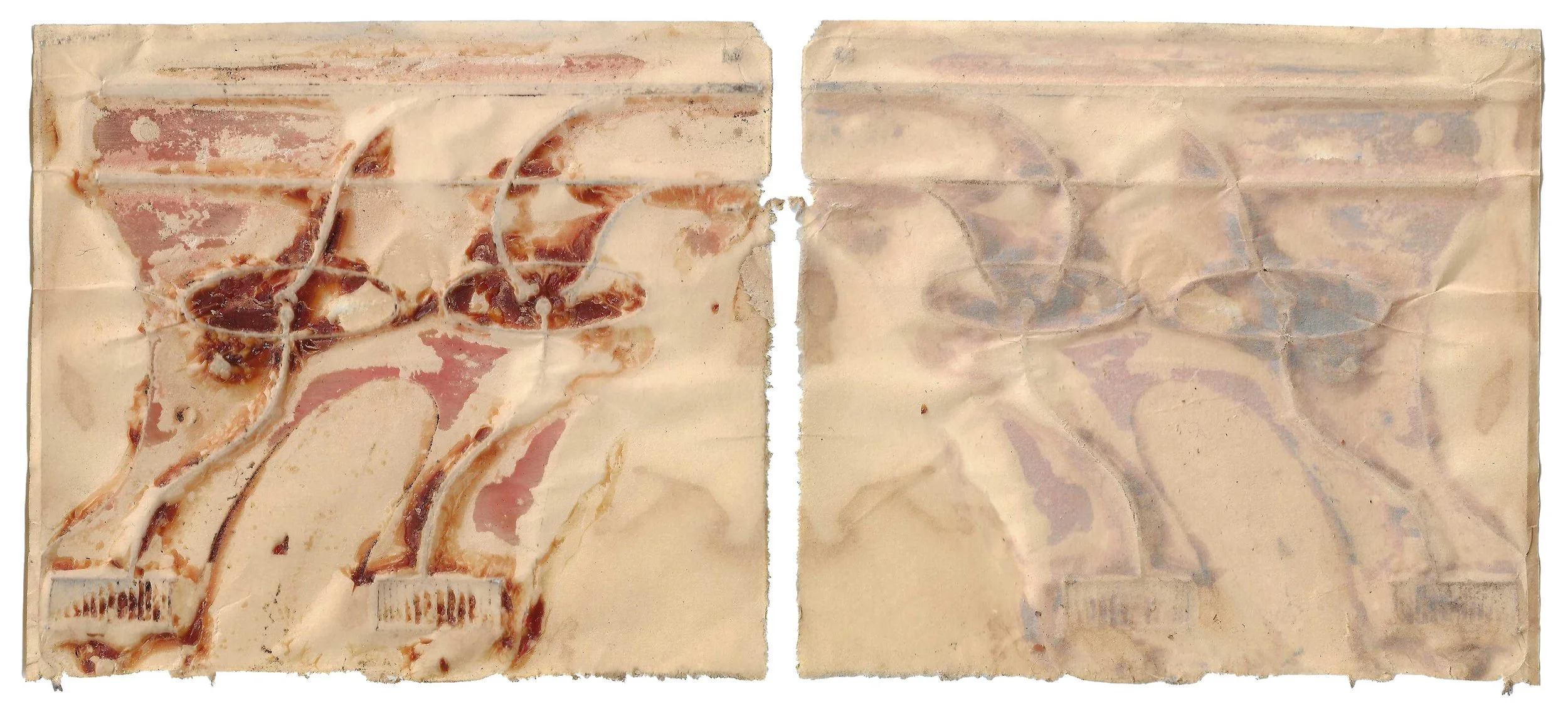
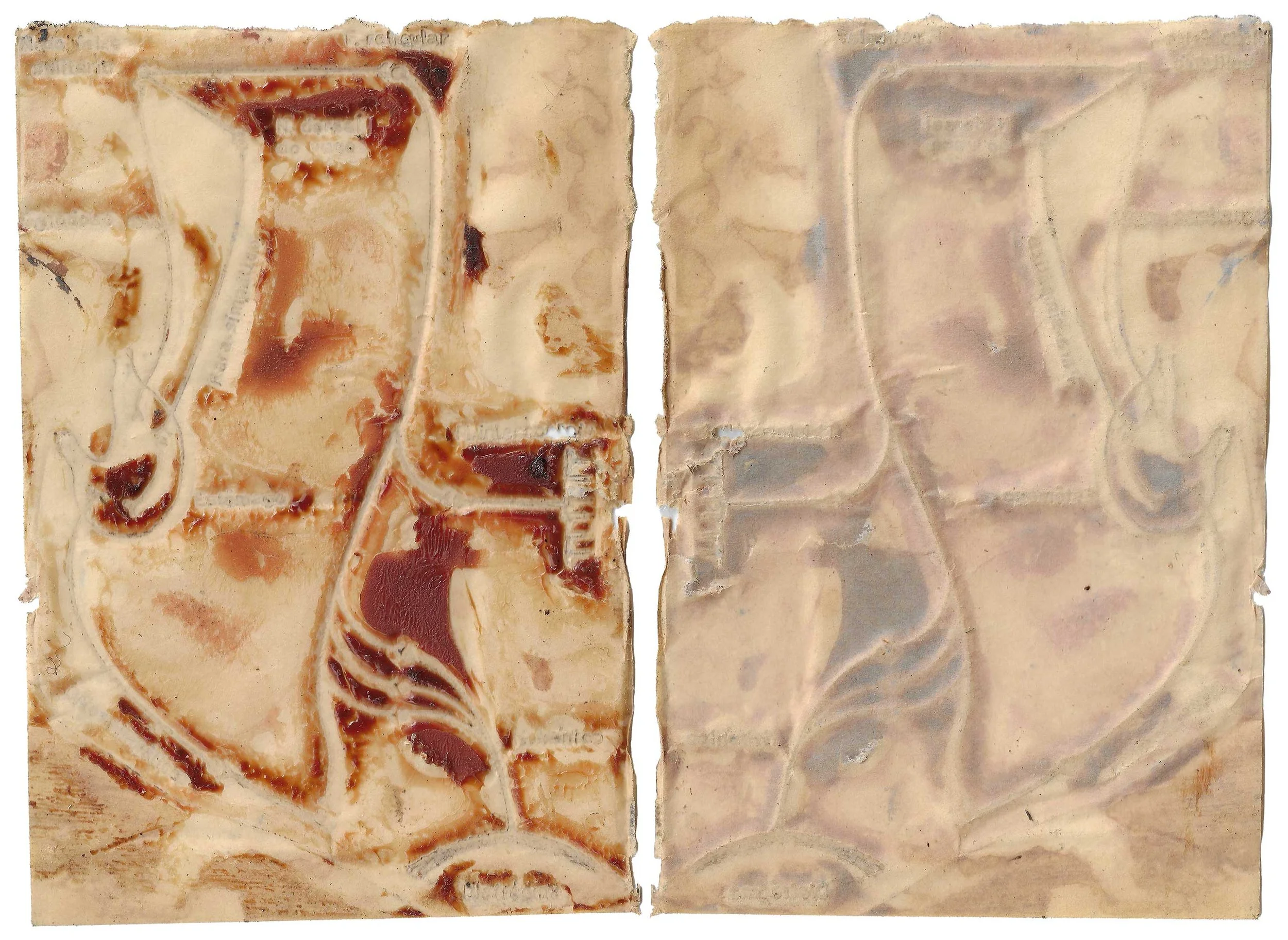
A instalação assume a forma de um armário com doze gavetas e vinte e seis placas de acrílico. Cada placa contém fragmentos de papel cuidadosamente retirados de carimbos tipográficos de arquivo, outrora utilizados em testes de anatomia cerebral para estudantes de medicina da FMUL. Guardados desde a década de 1940 e revestidos com uma camada protetora de betume, os carimbos permaneceram em contacto prolongado com os papéis que os cobriam. Ao longo de décadas, tanto o relevo dos carimbos como o betume deixaram belas impressões no papel.
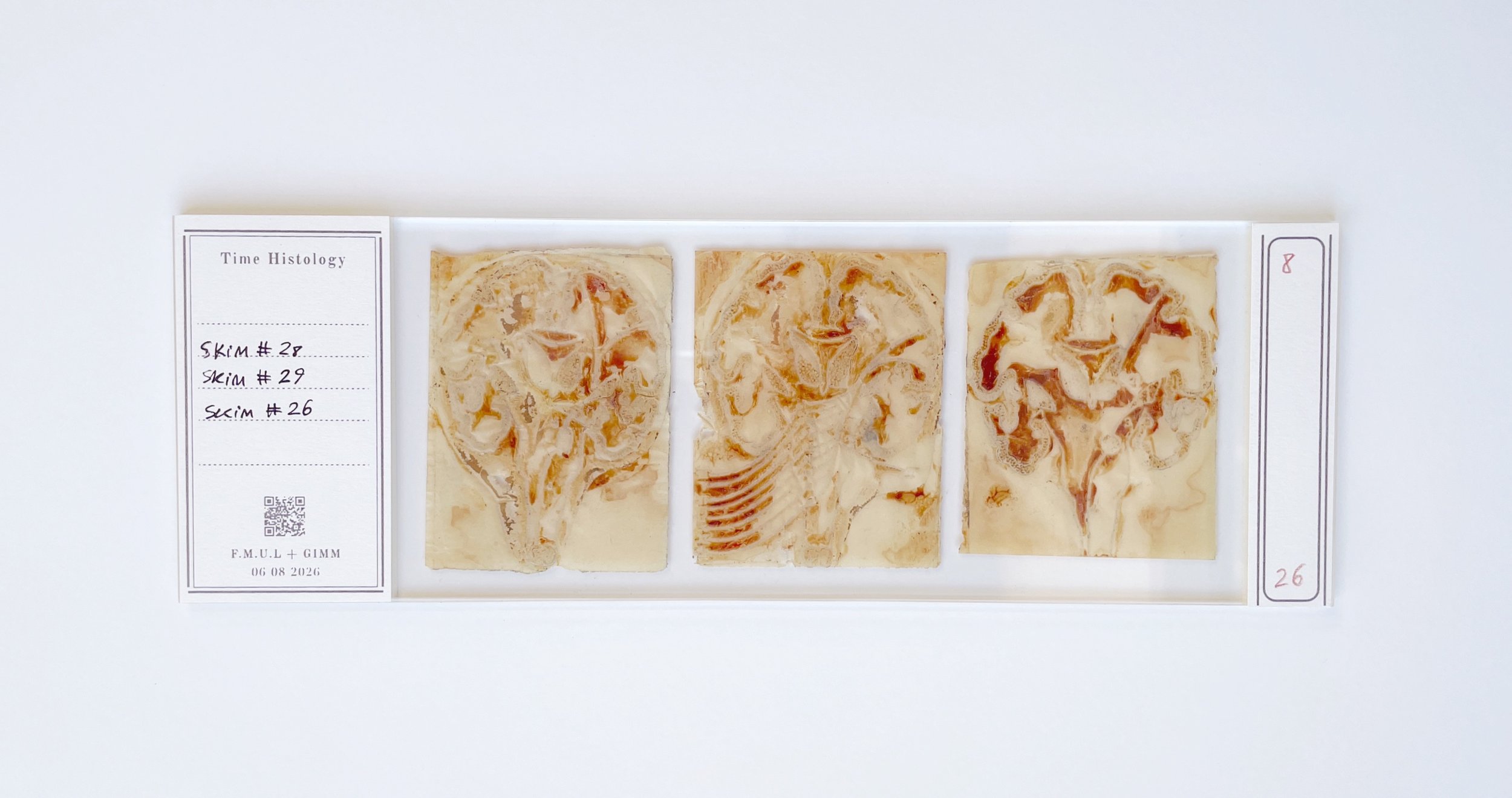
Apresentados como amostras histológicas, estes fragmentos são tratados como uma forma de tecido. Este trabalho coloca o papel e a pele em diálogo, sugerindo que ambos registam a passagem do tempo através de marcas, impressões e processos graduais de envelhecimento.
Time Histology
Time Histology explores how time leaves traces, drawing a parallel between the human body and material objects. Just as histology studies tissues to reveal their structure and transformation, this art work proposes a way of reading time through marks left on surfaces.
This work is the result of an artistic residency at GIMM — Gulbenkian Institute for Molecular Medicine —, carried out at the invitation of ECTOPIA LAB. It was within this context of research and experimentation that I developed a reflection on the traces of time in materials and the ways in which the body and objects transform.
Wrinkles are one of the most visible signs of ageing: records of movement, experience, and lived time written on the skin. They reveal how the body changes, accumulating traces that become part of its identity.
The project extends this idea to paper. Time acts slowly yet gradually, marking surfaces much as wrinkles form on skin. The work invites us to consider how materials, like living tissue, can retain the imprint of their own histories.
The installation takes the form of a cabinet containing twelve drawers and twenty-six acrylic plates. Each plate holds fragments of paper carefully removed from archival typography stamps once used in cerebral anatomy tests for FMUL medical students. Stored since the 1940s and coated with a protective layer of bitumen, the stamps remained in prolonged contact with the pieces of paper that covered them. Over decades, both, the relief of the stamps and the bitumen, left beautiful impressions on the paper.
Presented as histological samples, these fragments are treated as a form of tissue. This work brings paper and skin into dialogue, suggesting that both register the passage of time through marks, impressions, and the gradual processes of ageing.
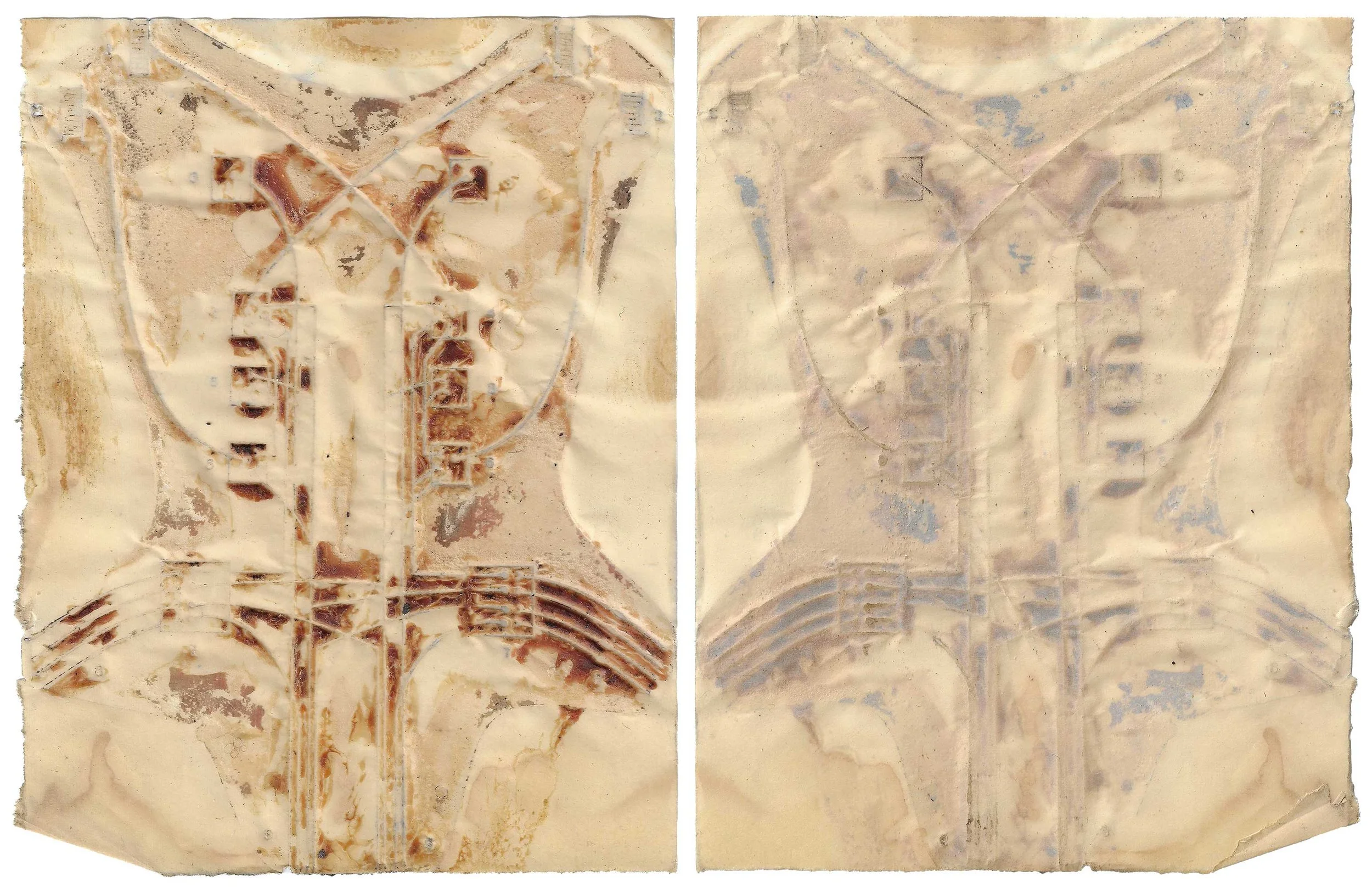
skin#1
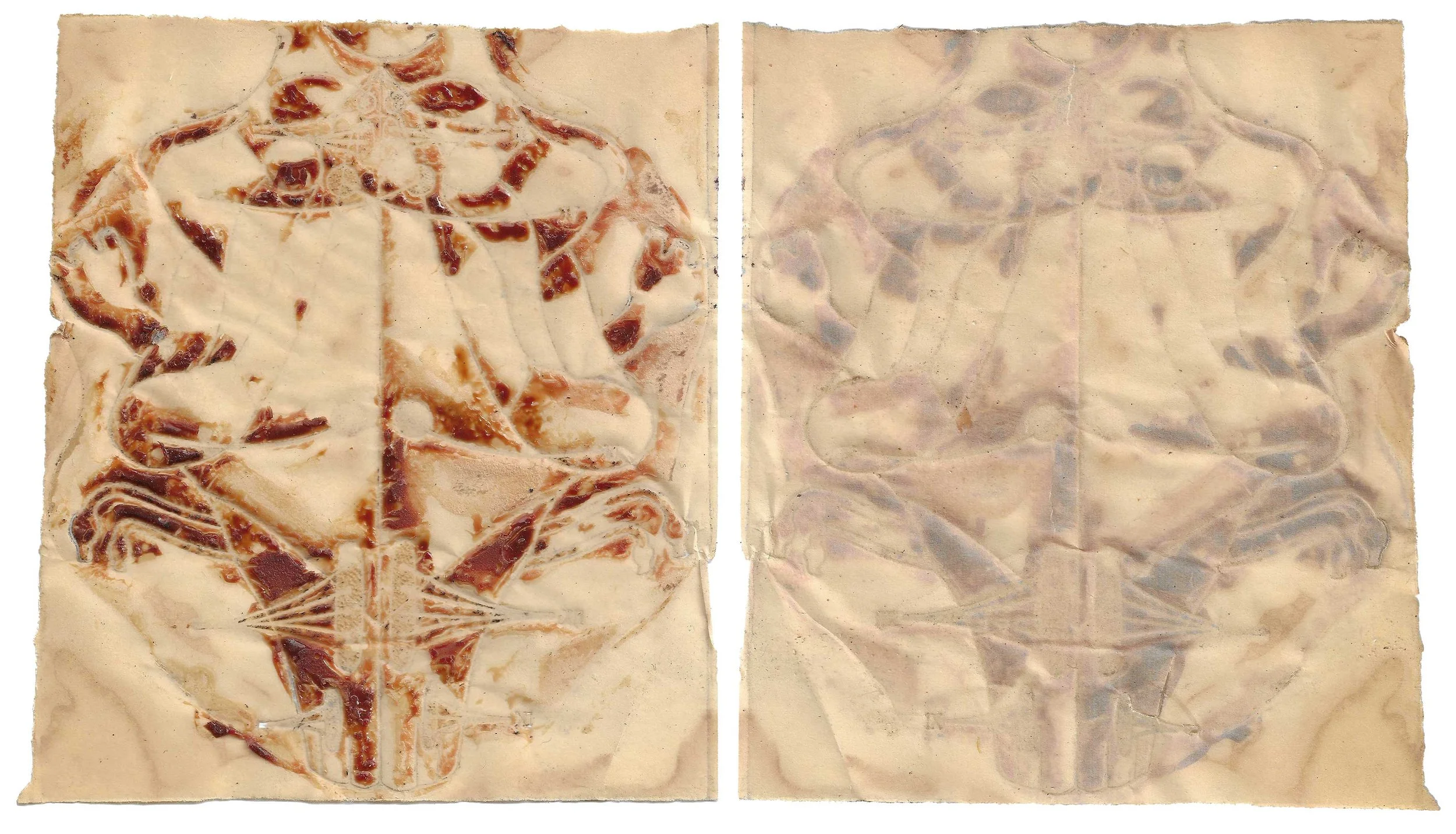
skin#2
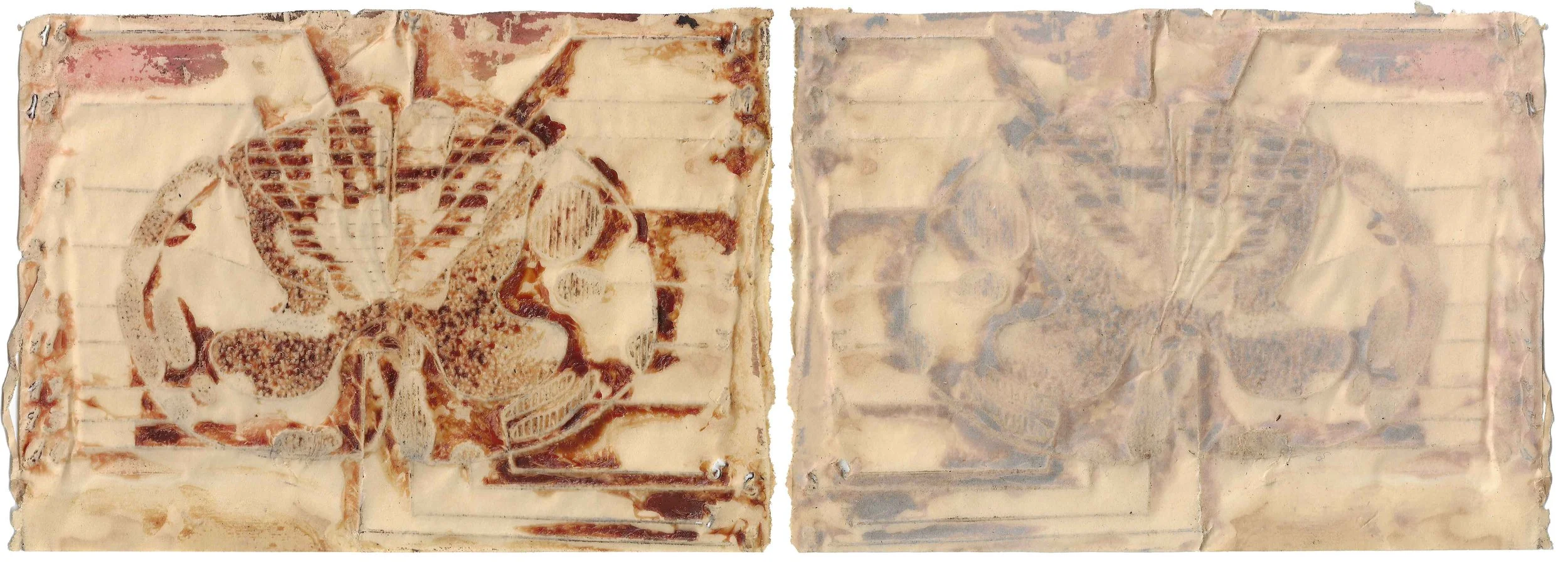
skin#3
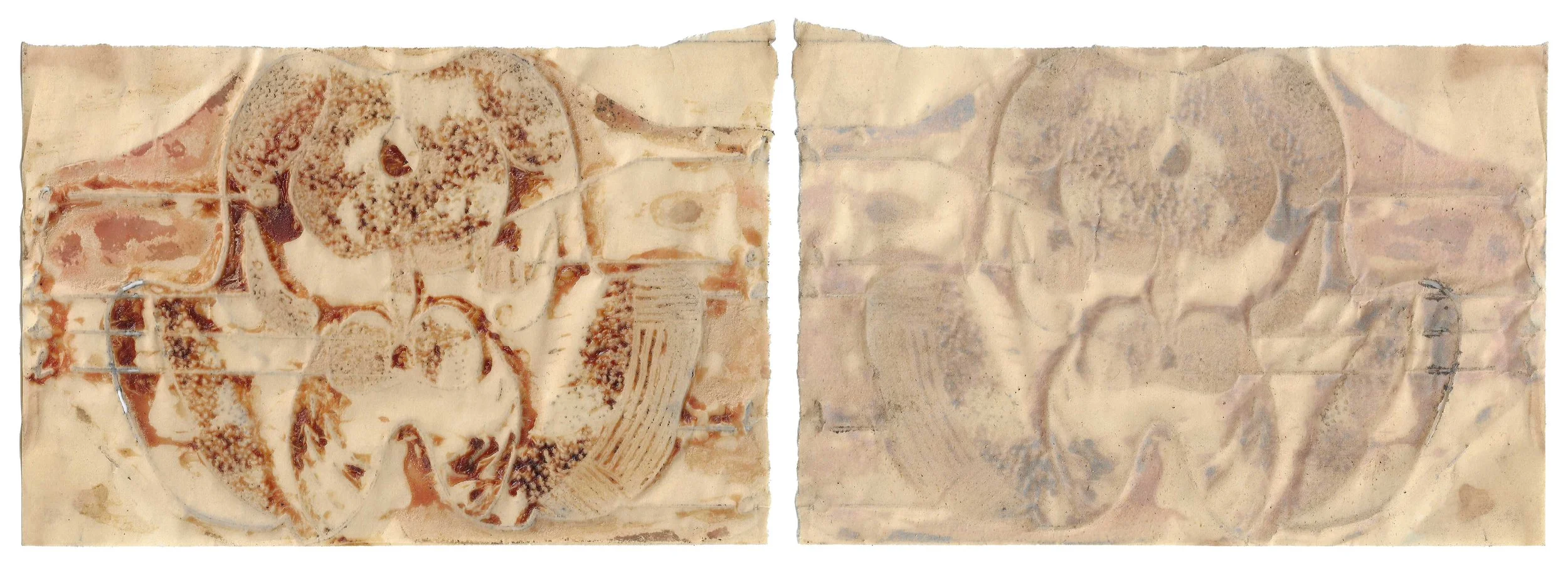
skin#4
skin#5
skin#6
skin#7
skin#8
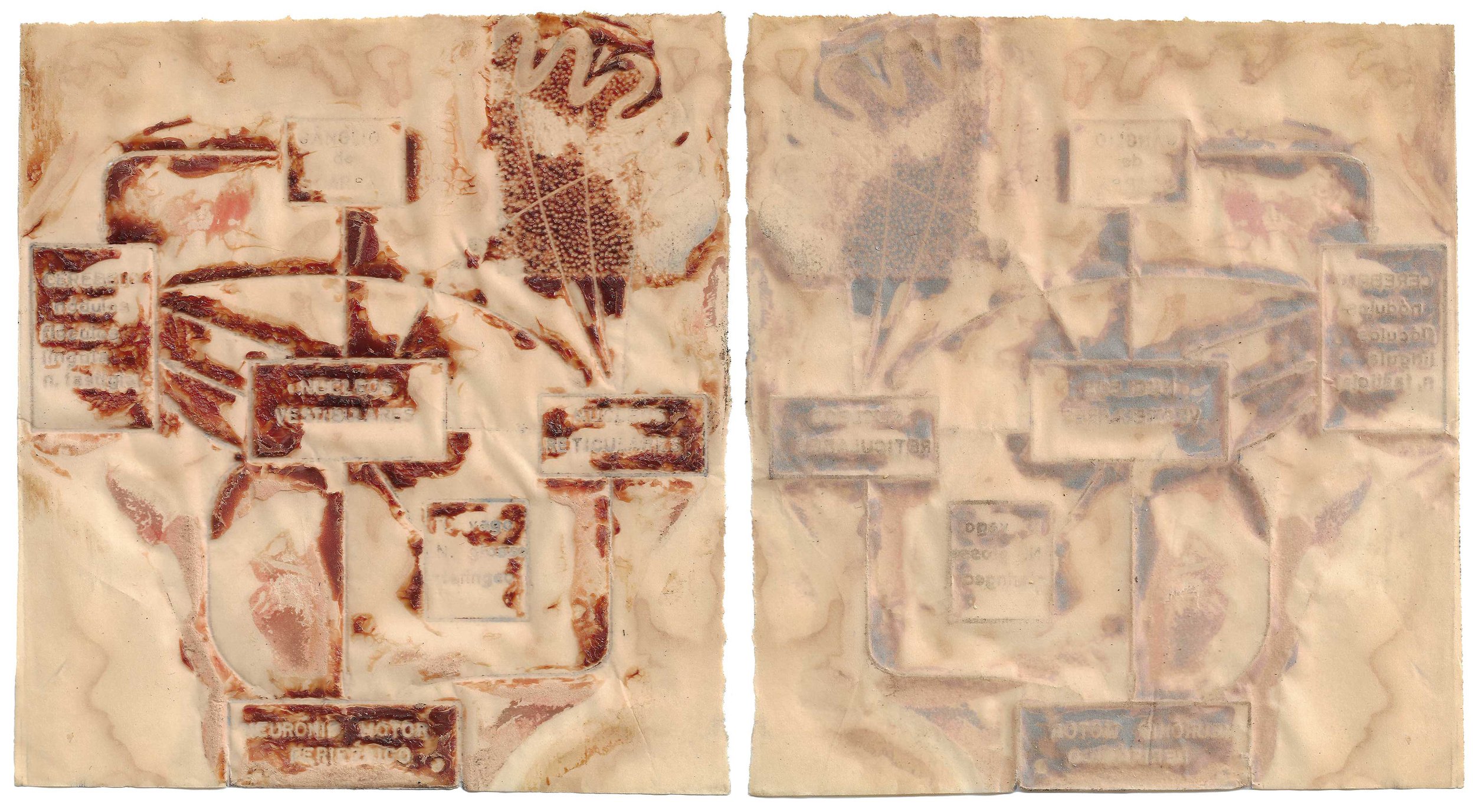
skin#9
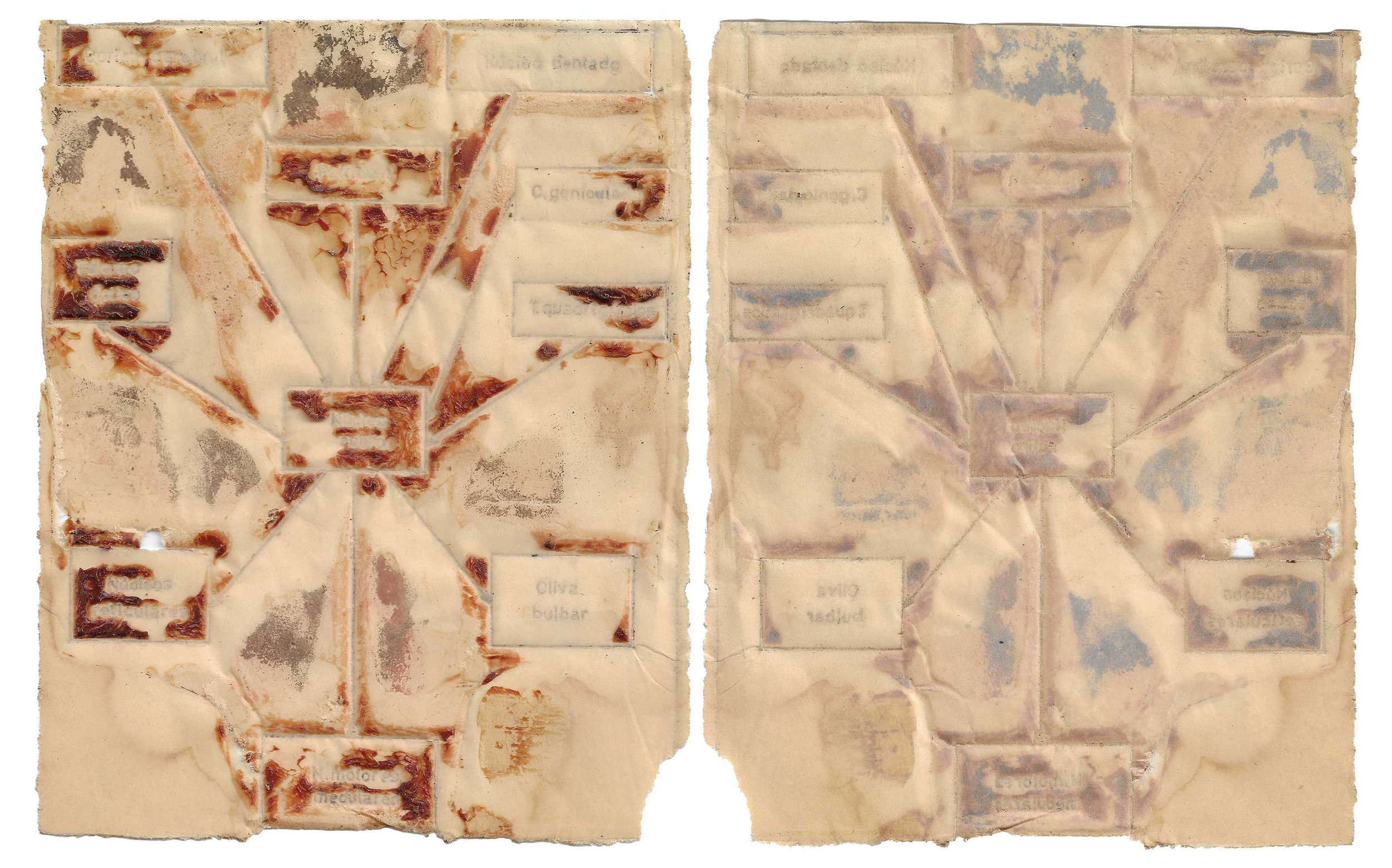
skin#10
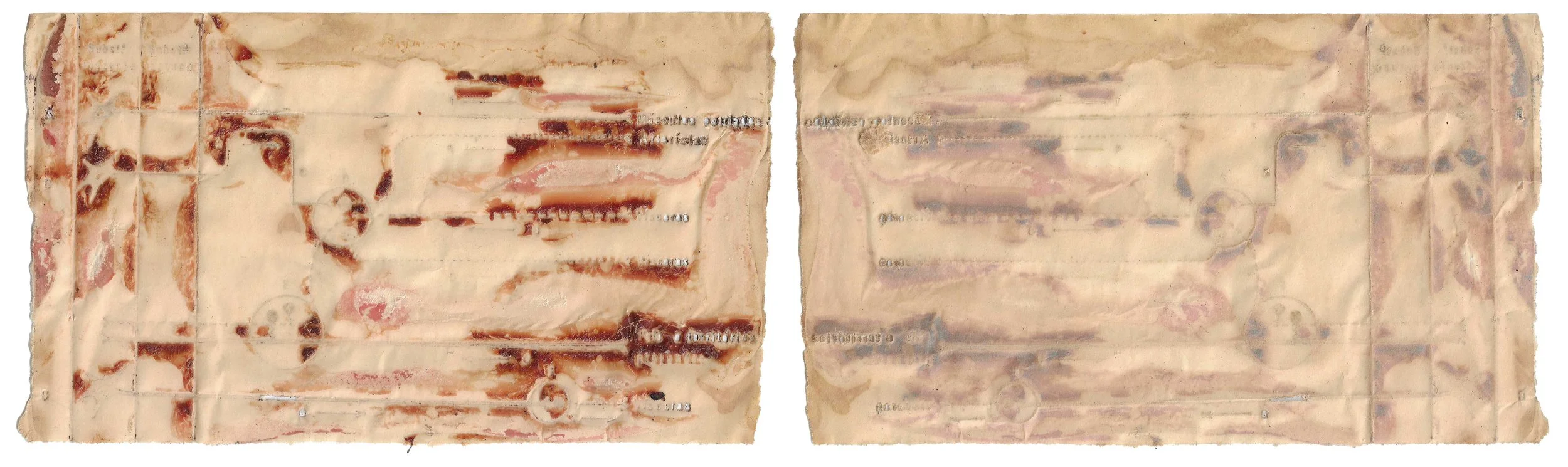
skin#11
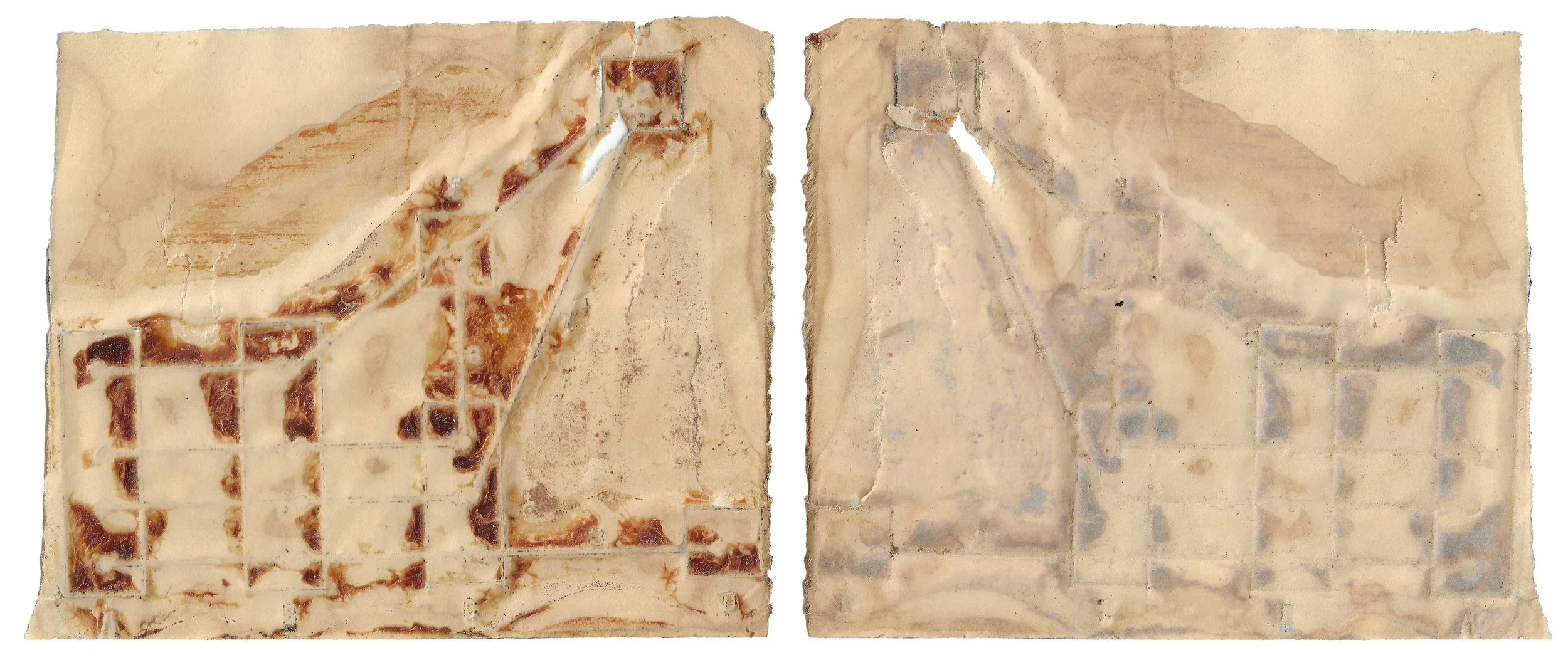
skin#12
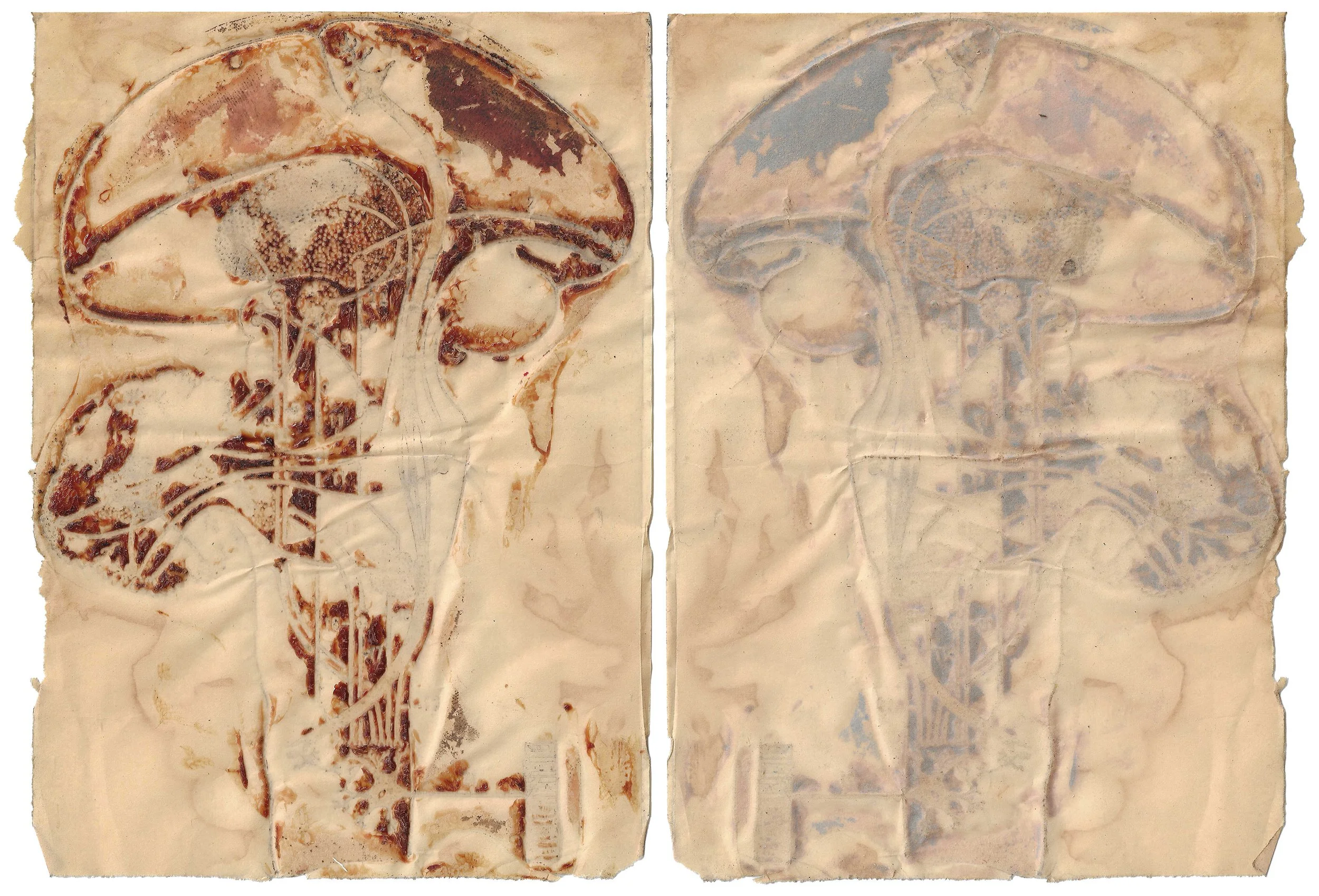
skin#13
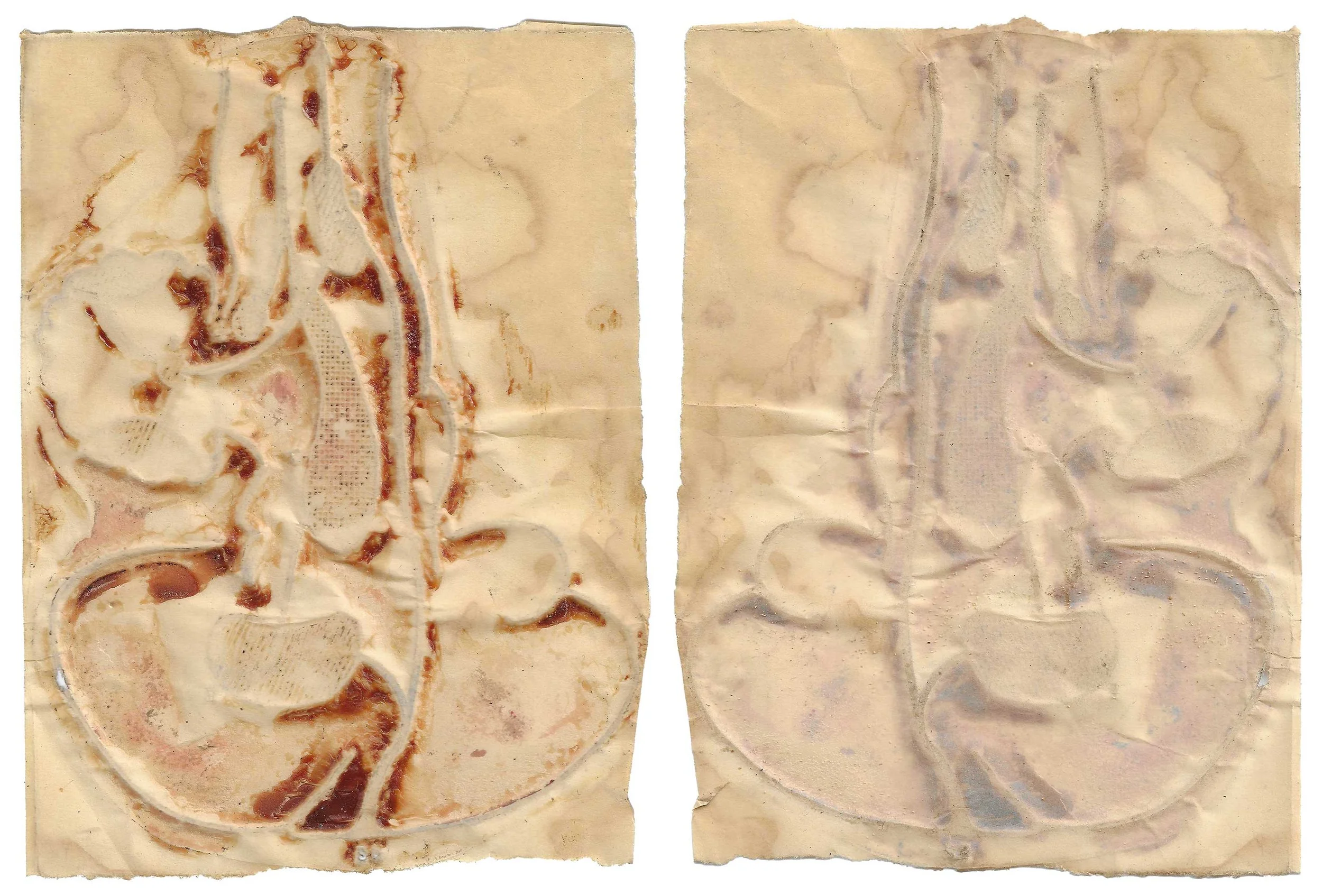
skin#14
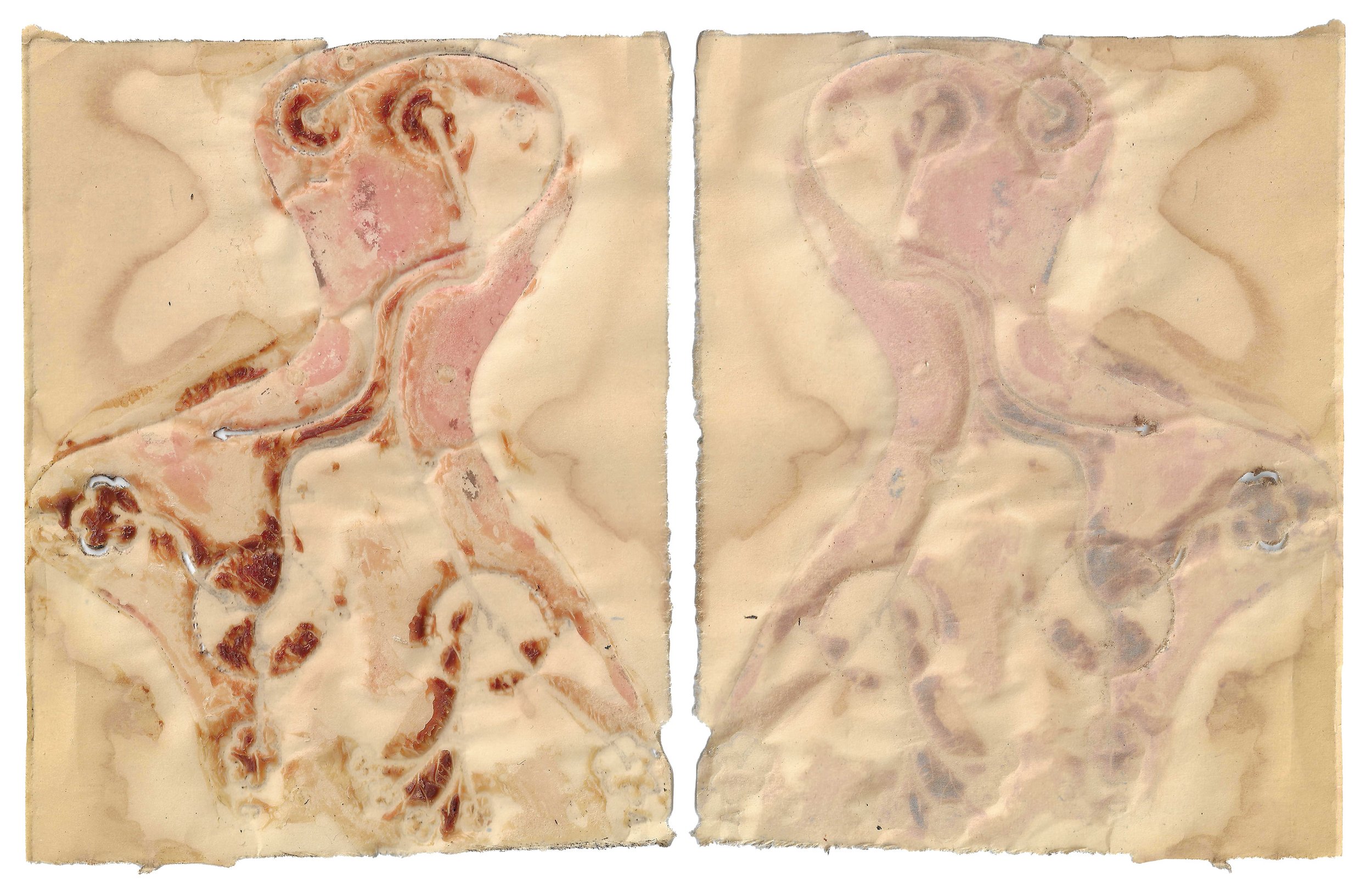
skin#15
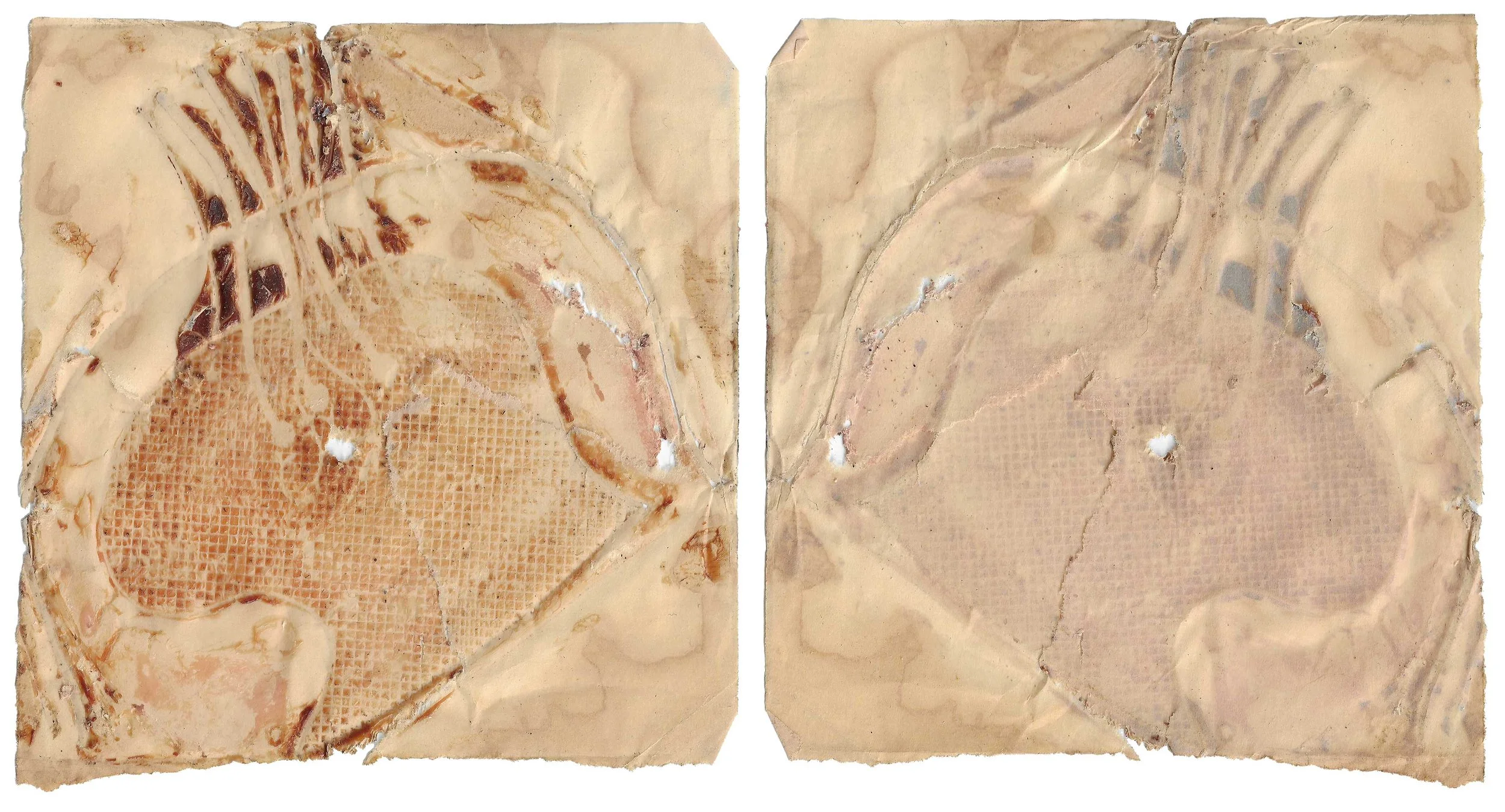
skin#16
skin#17
skin#18
skin#19
skin#20
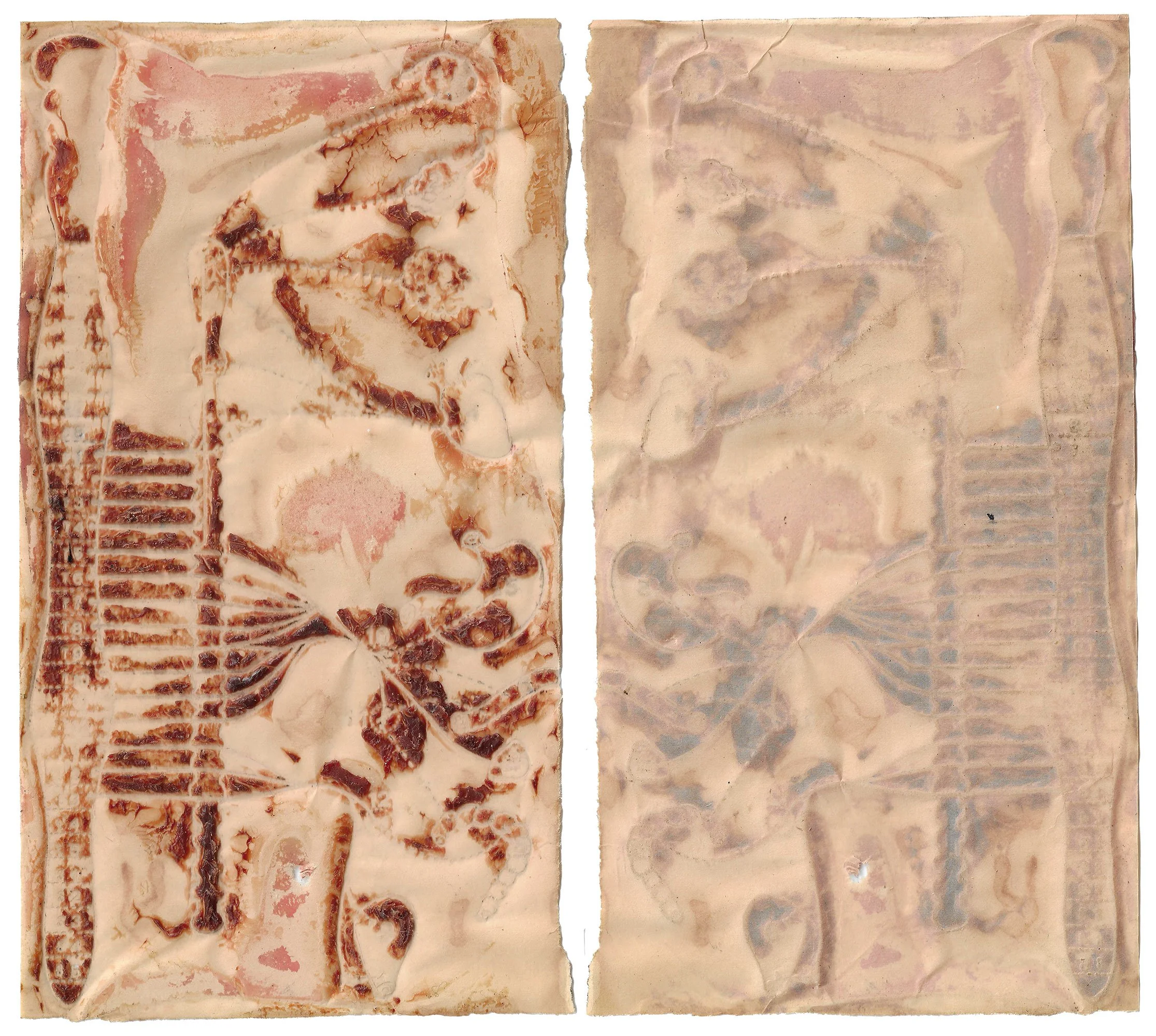
skin#21
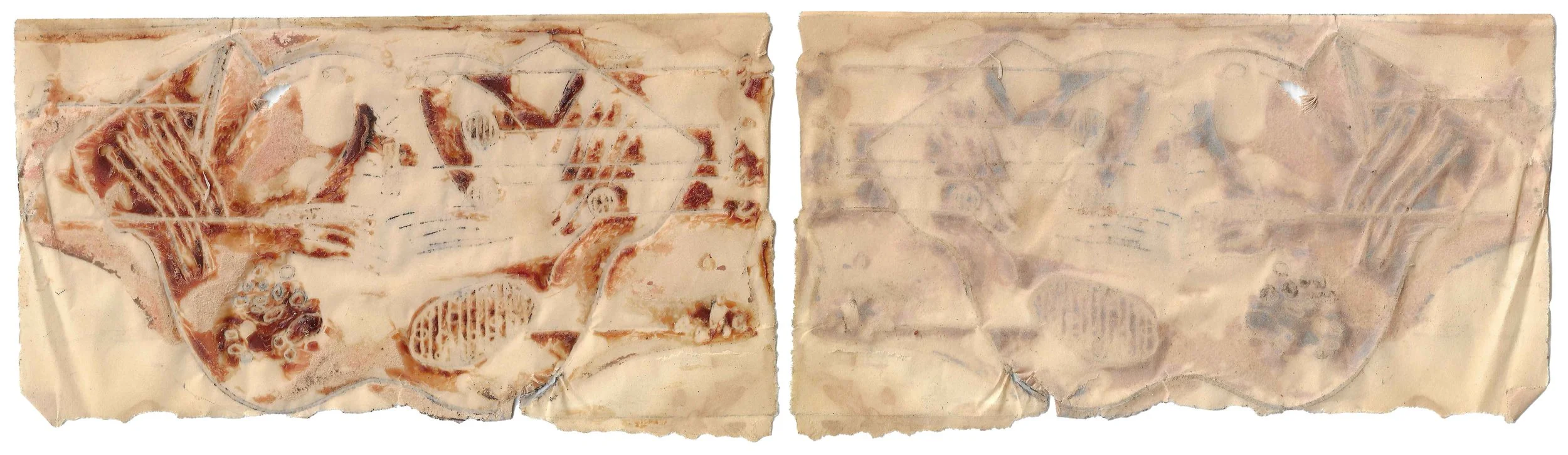
skin#22
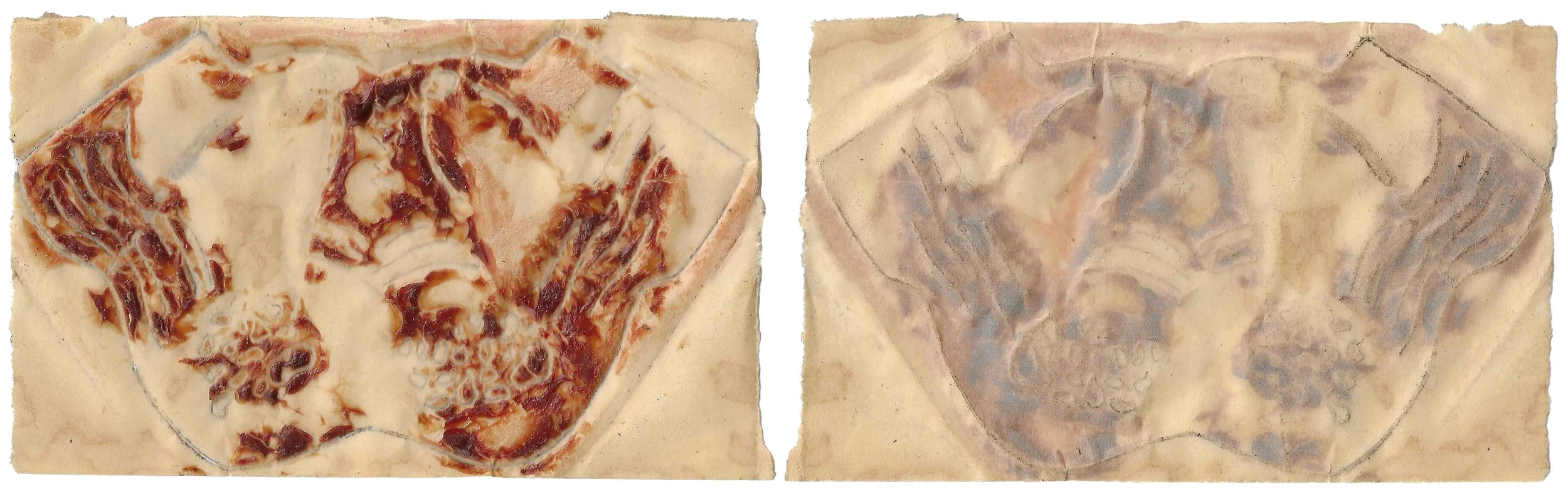
skin#23
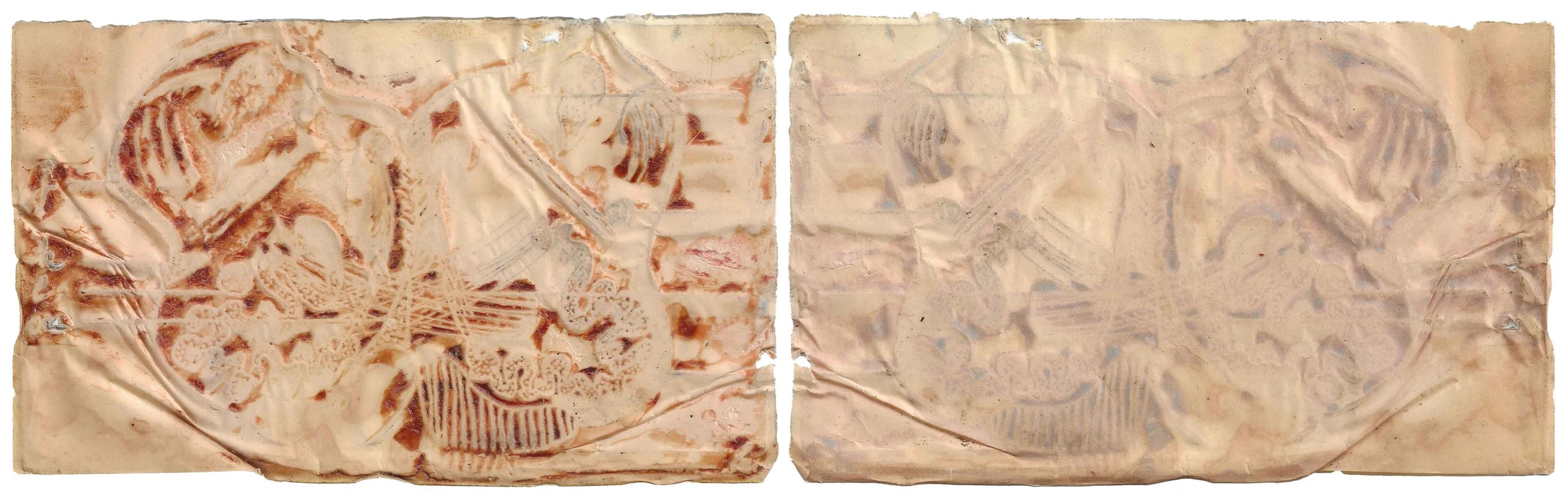
skin#24
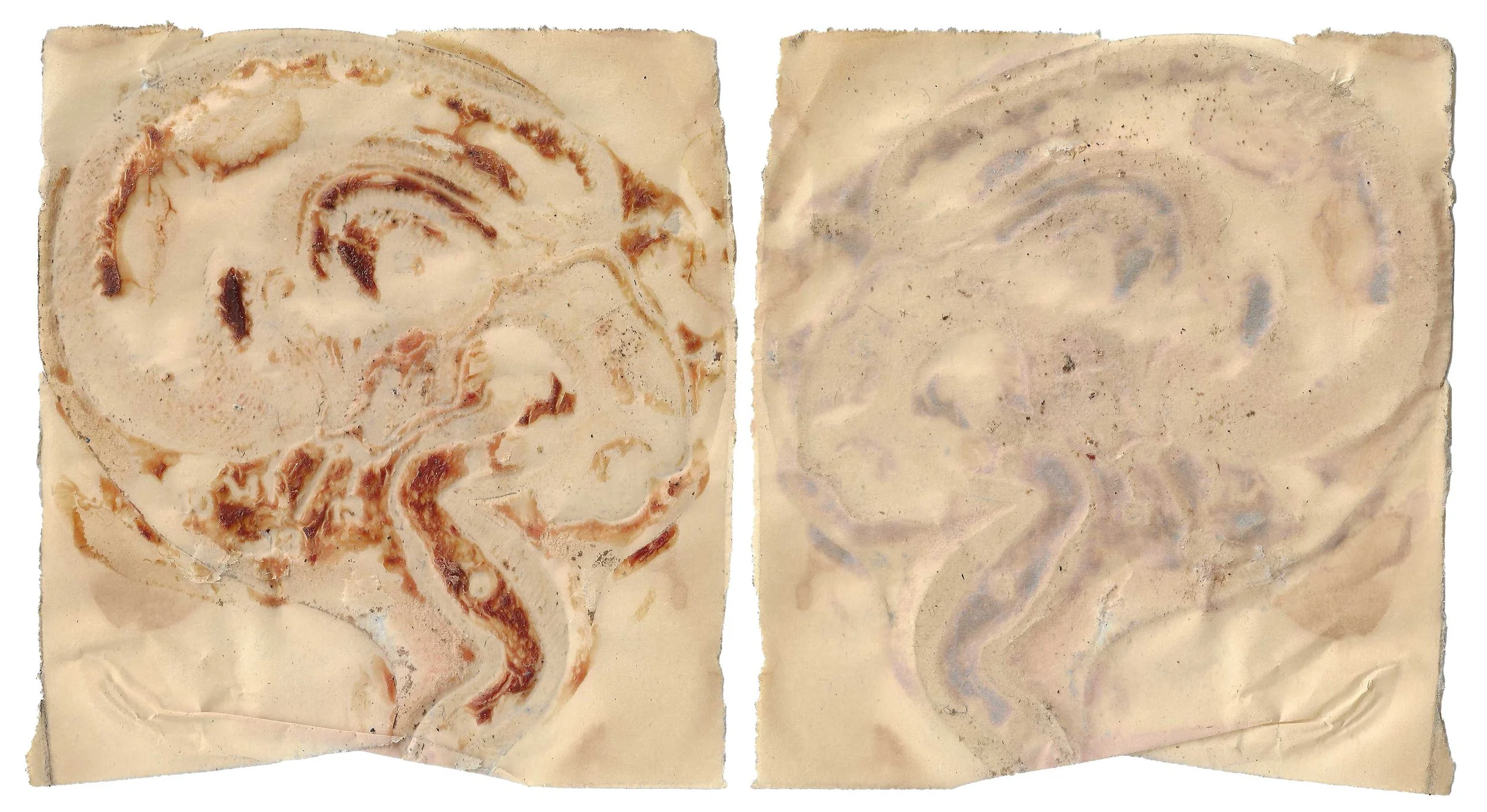
skin#25
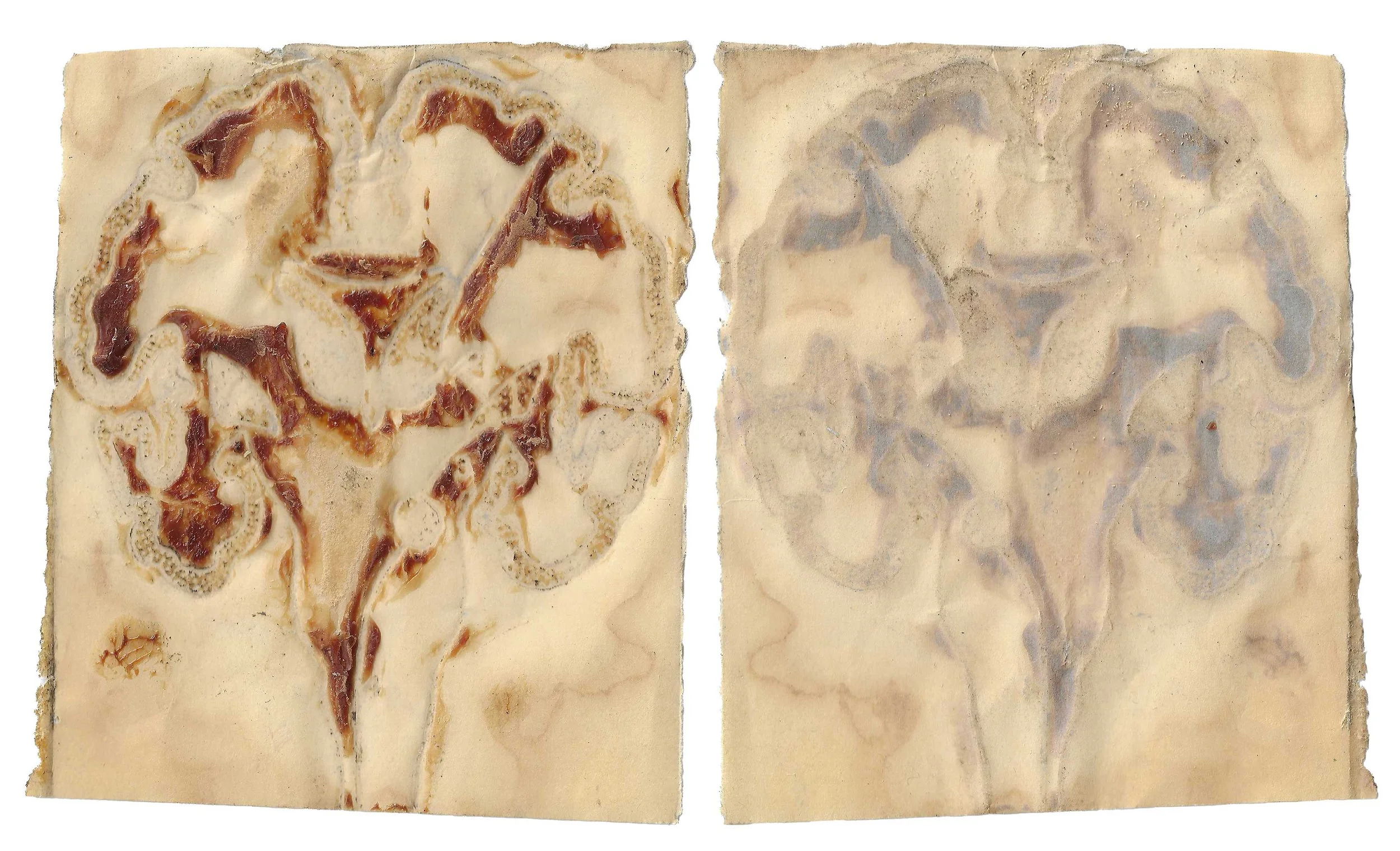
skin#26
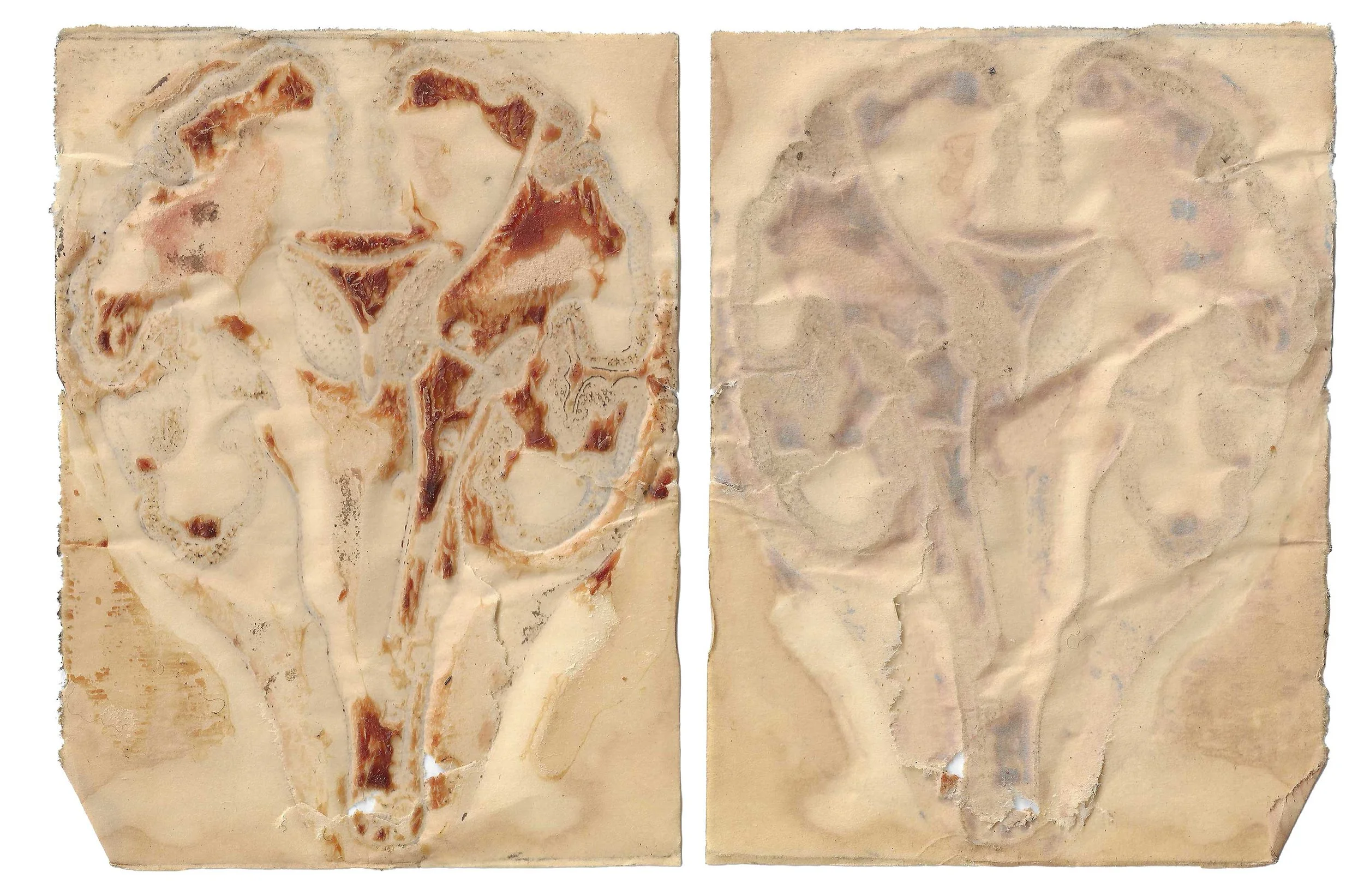
skin#27
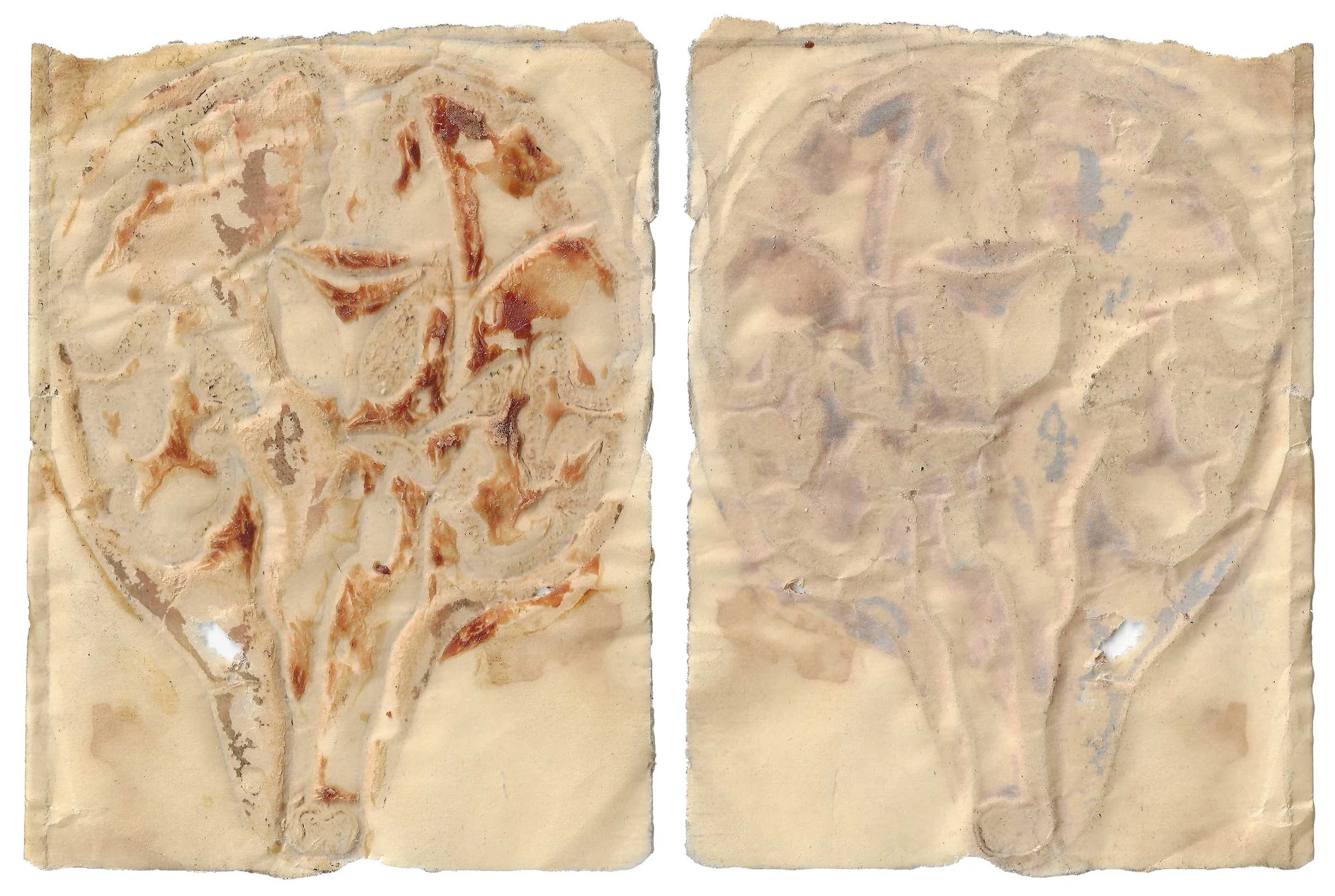
skin#28
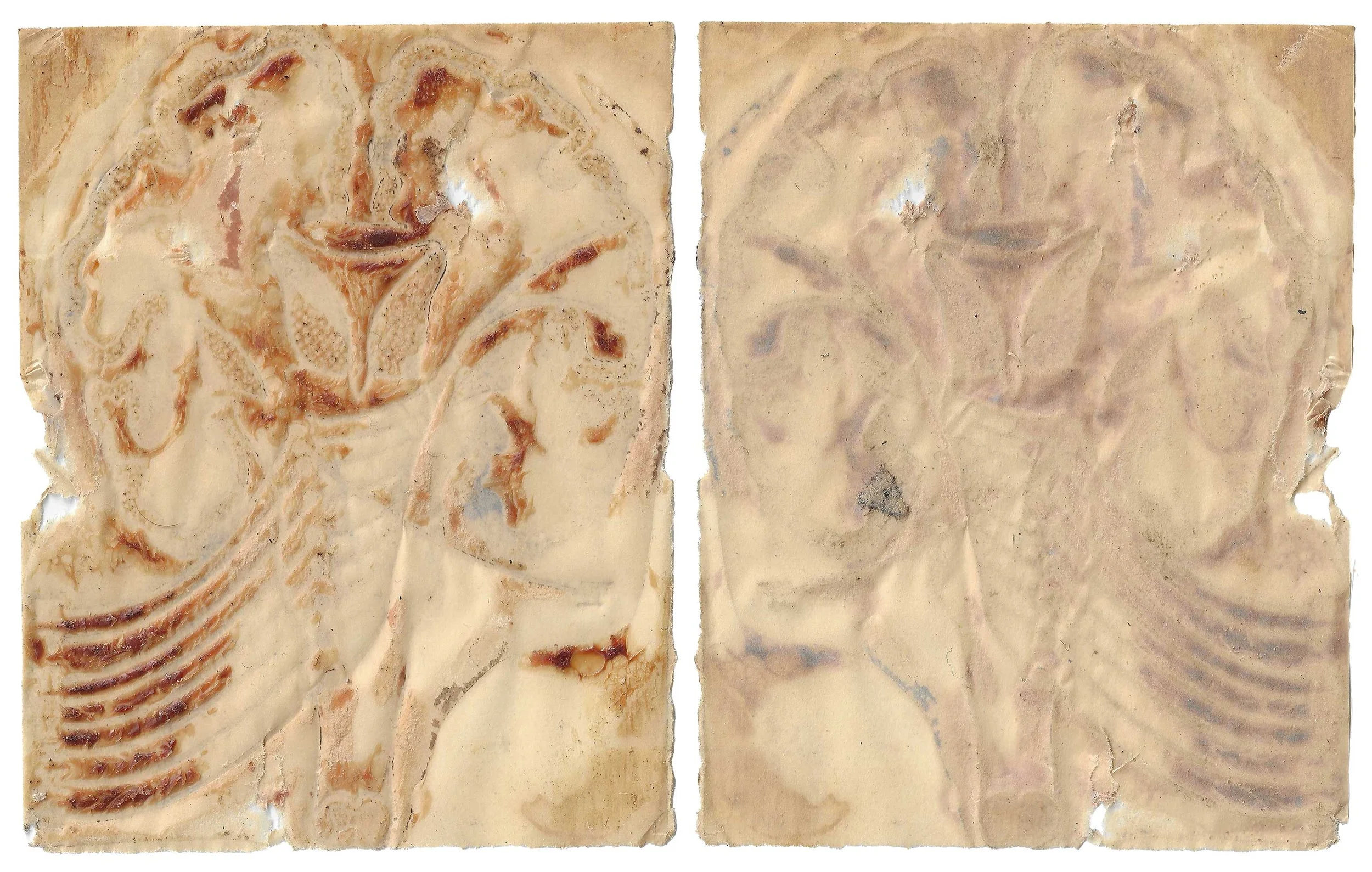
skin#29
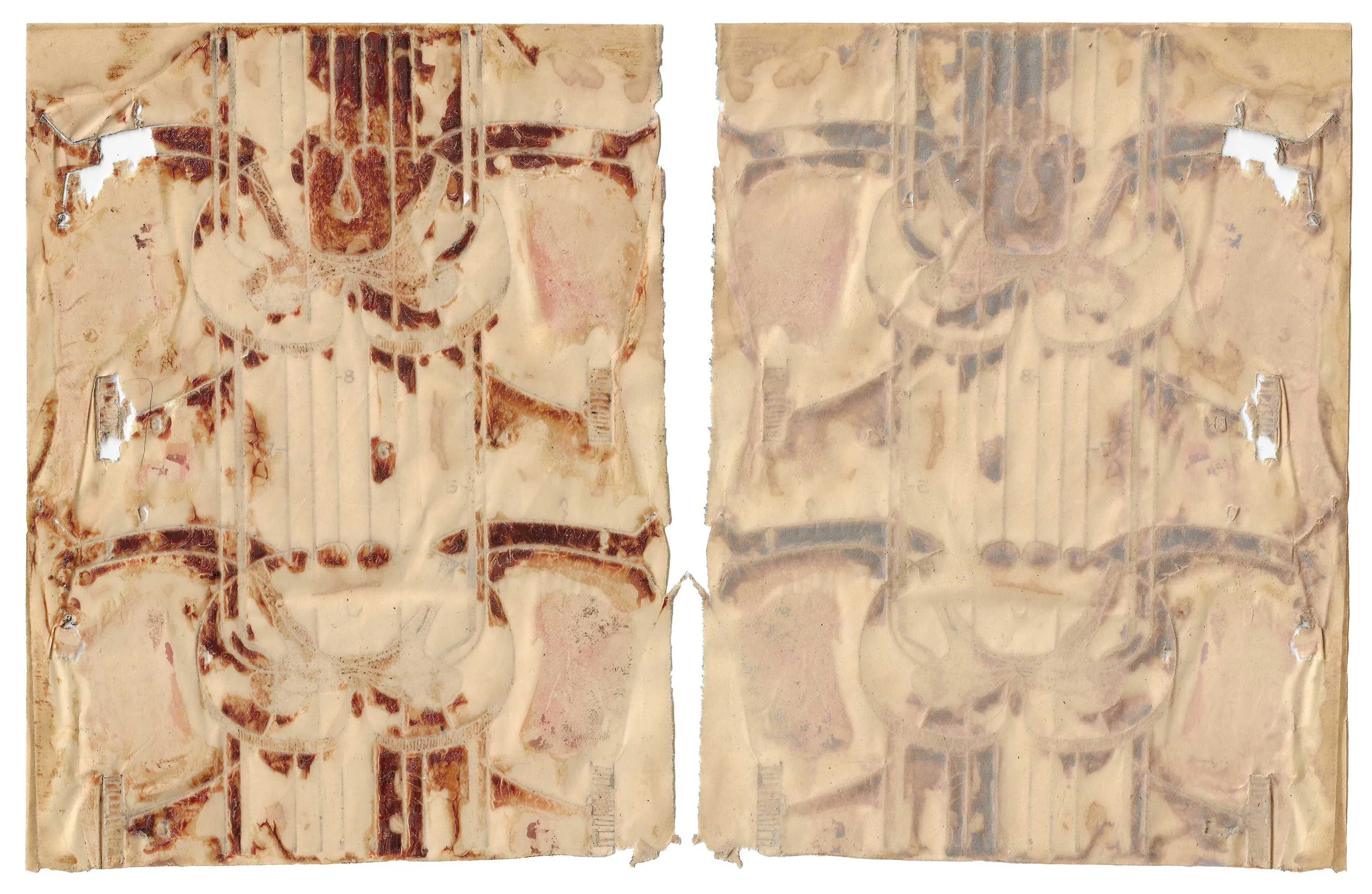
skin#30
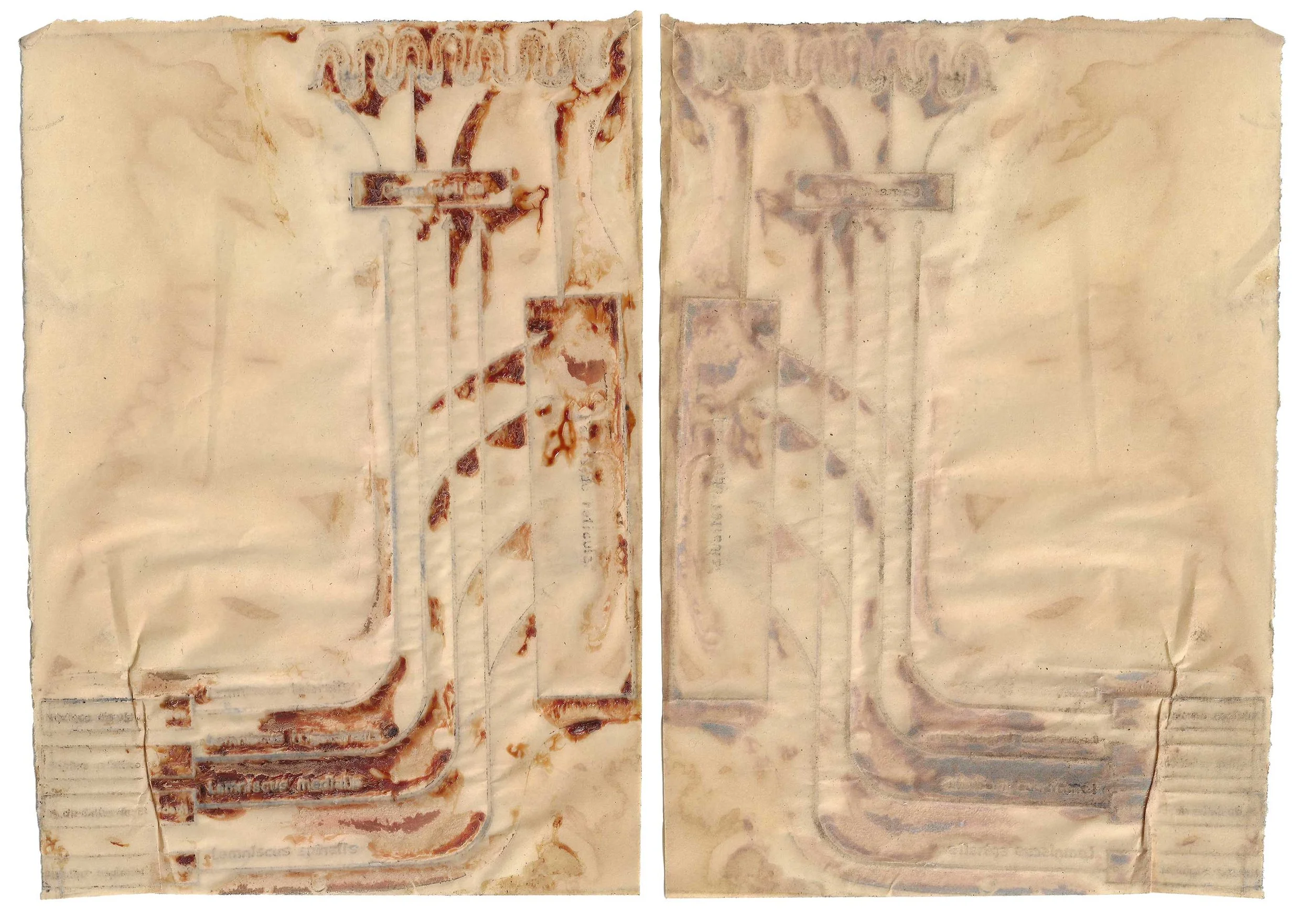
skin#31
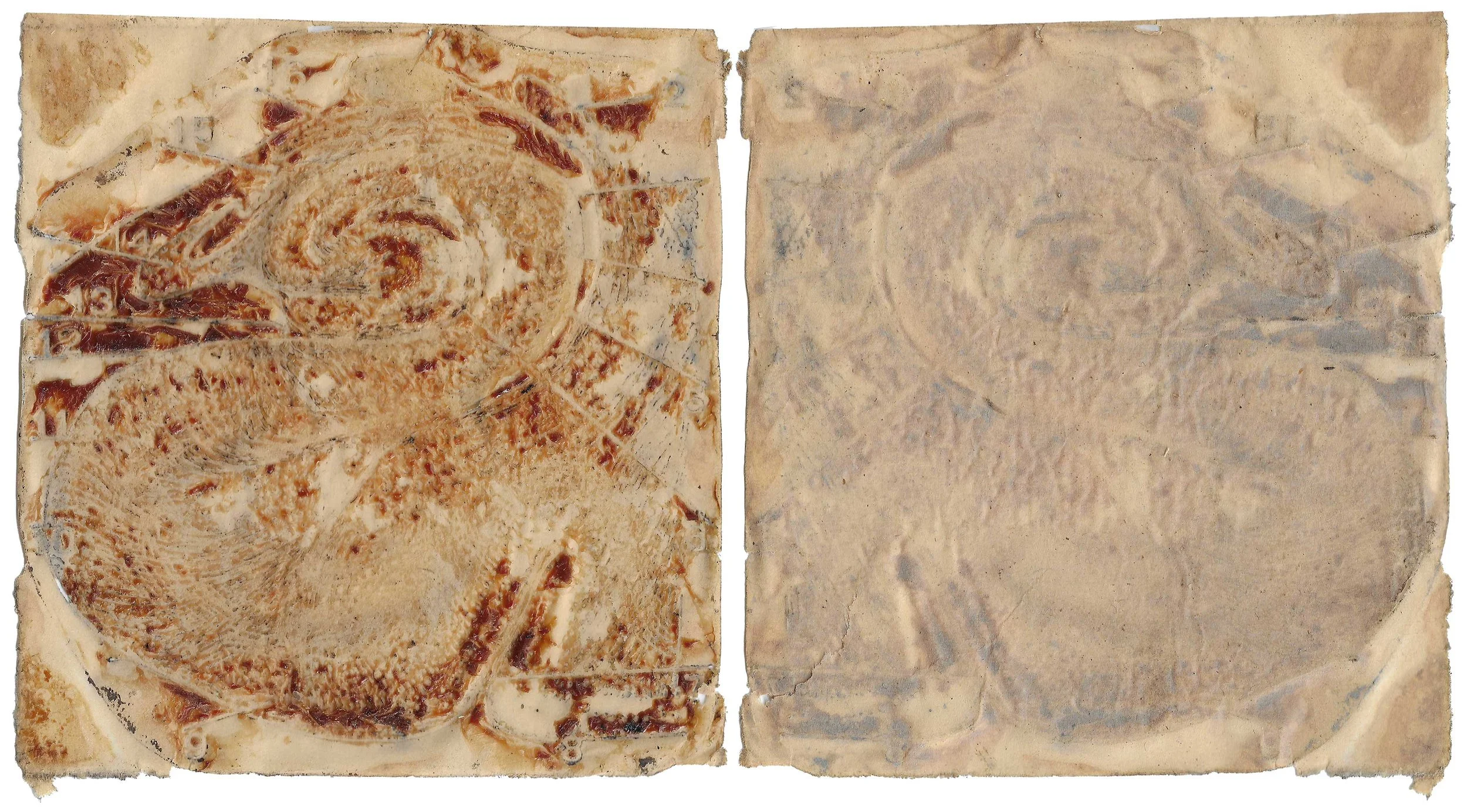
skin#32
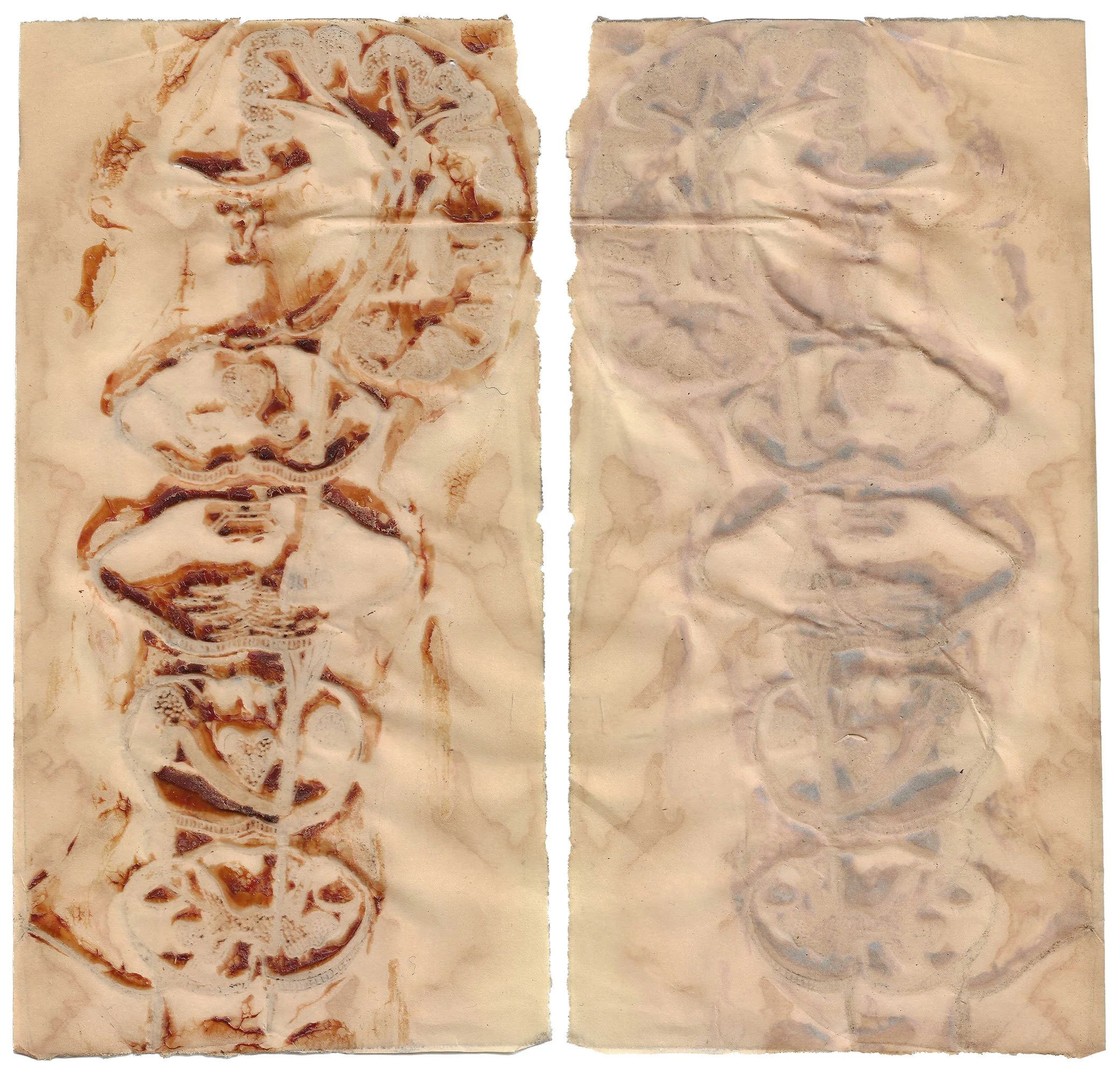
skin#33
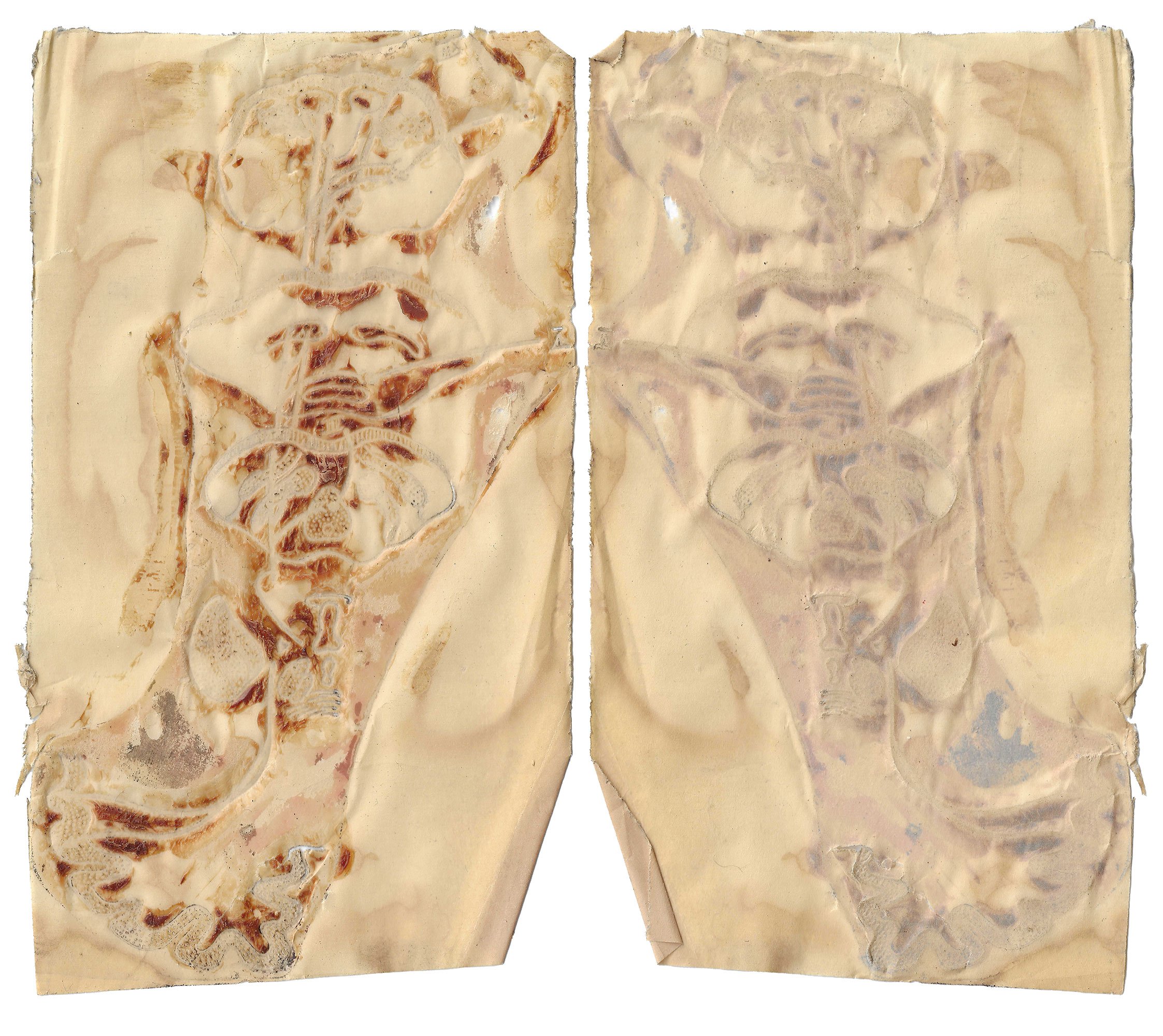
skin#34
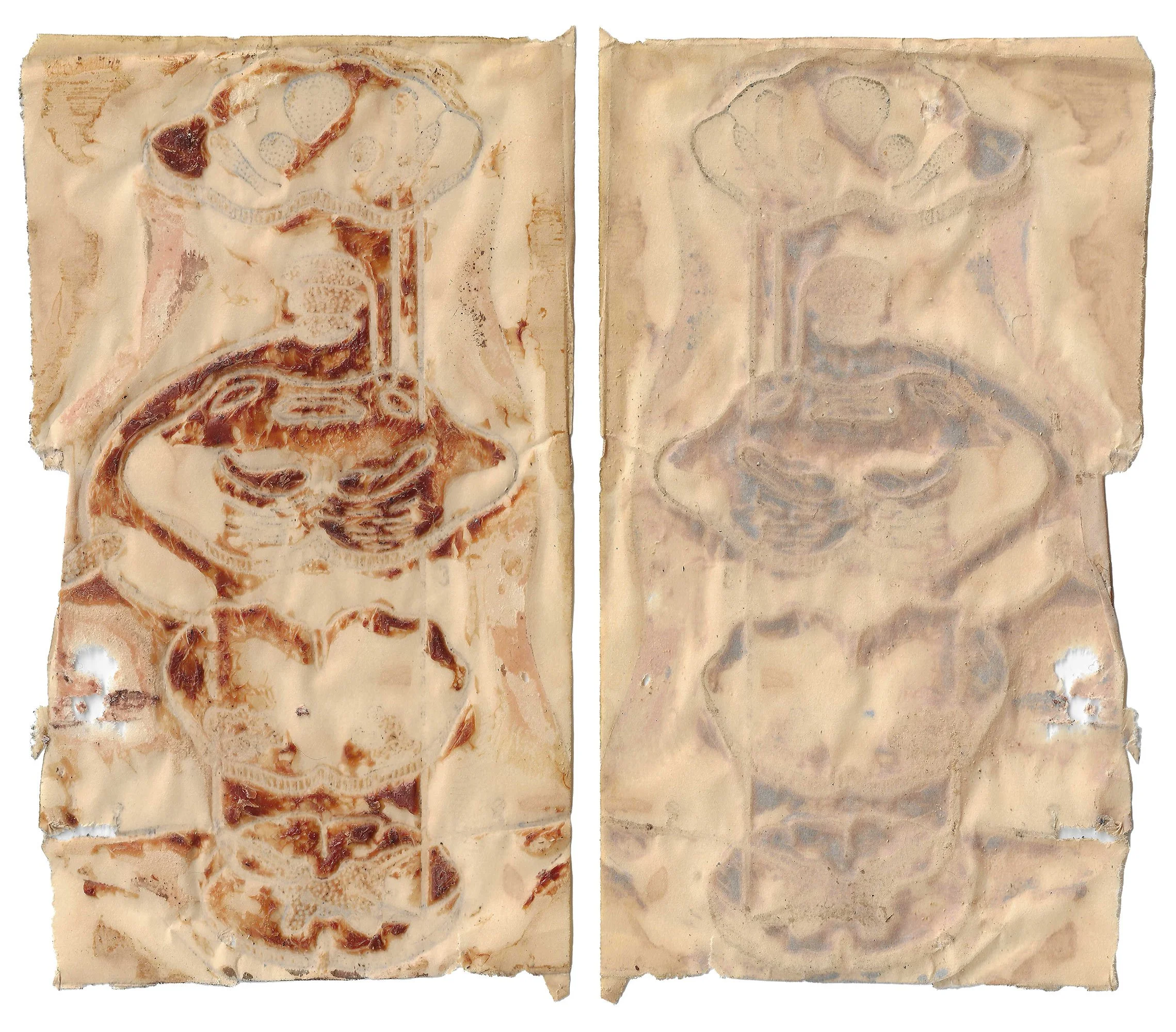
skin#35
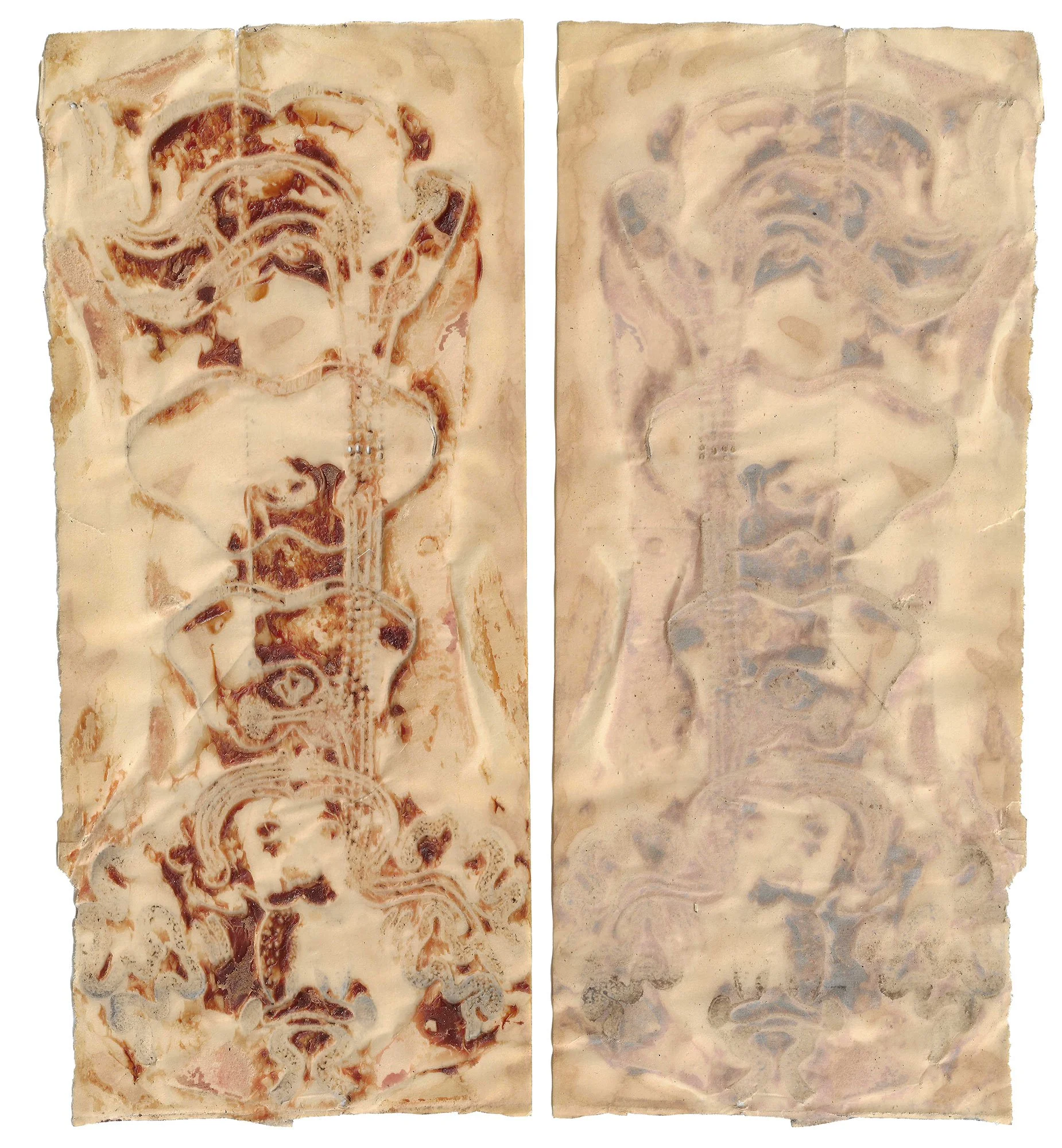
skin#36
skin#37
skin#38
skin#39
skin#40
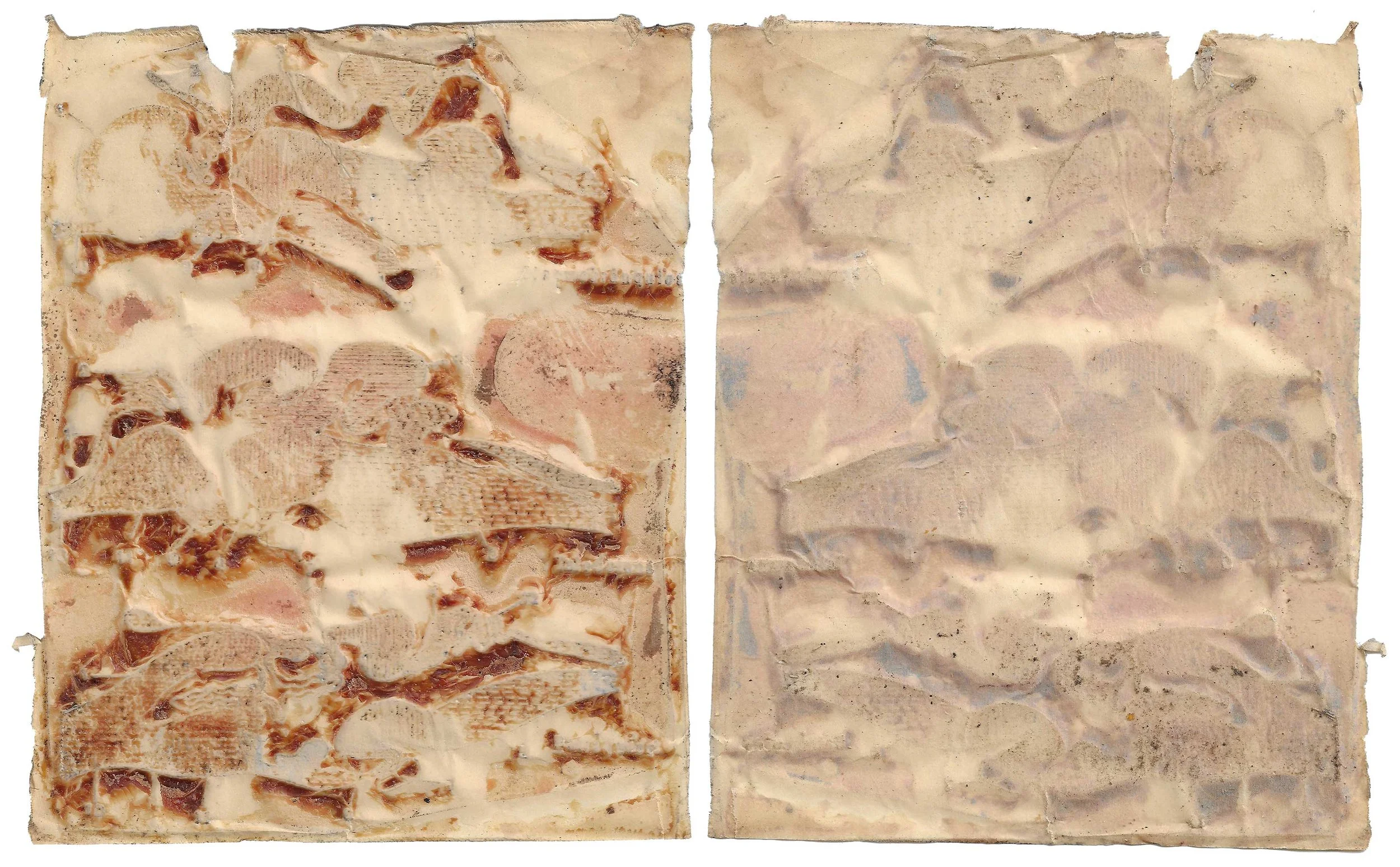
skin#41
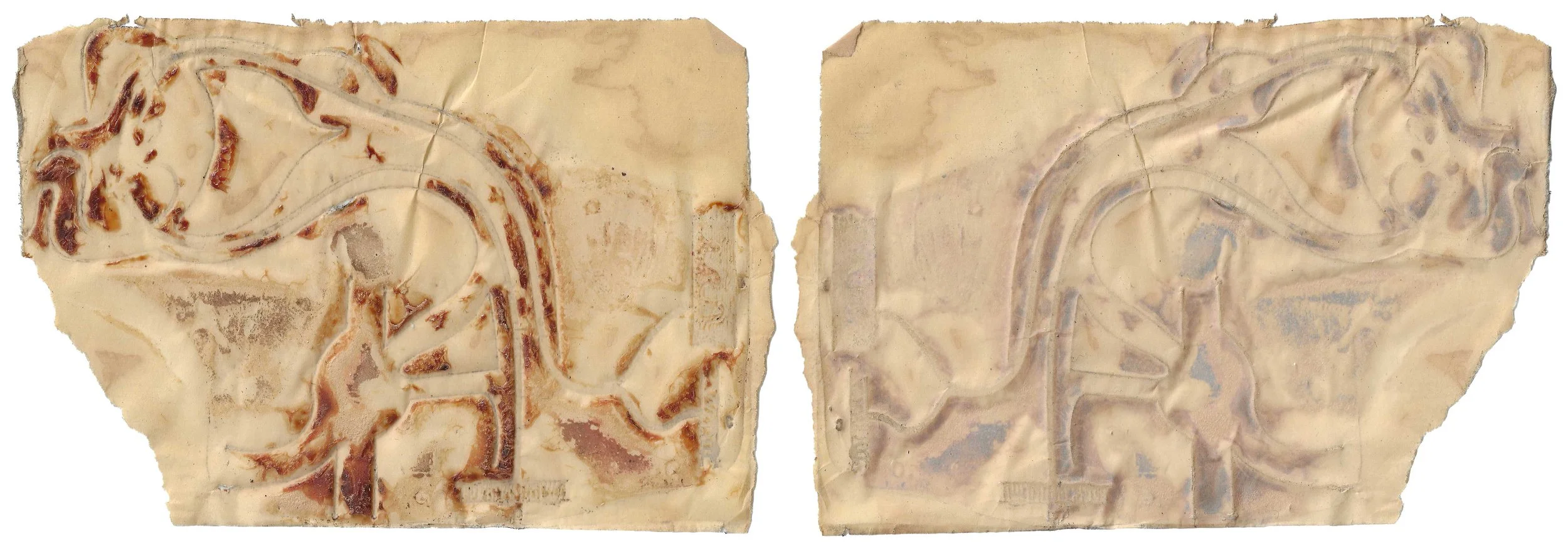
skin#42
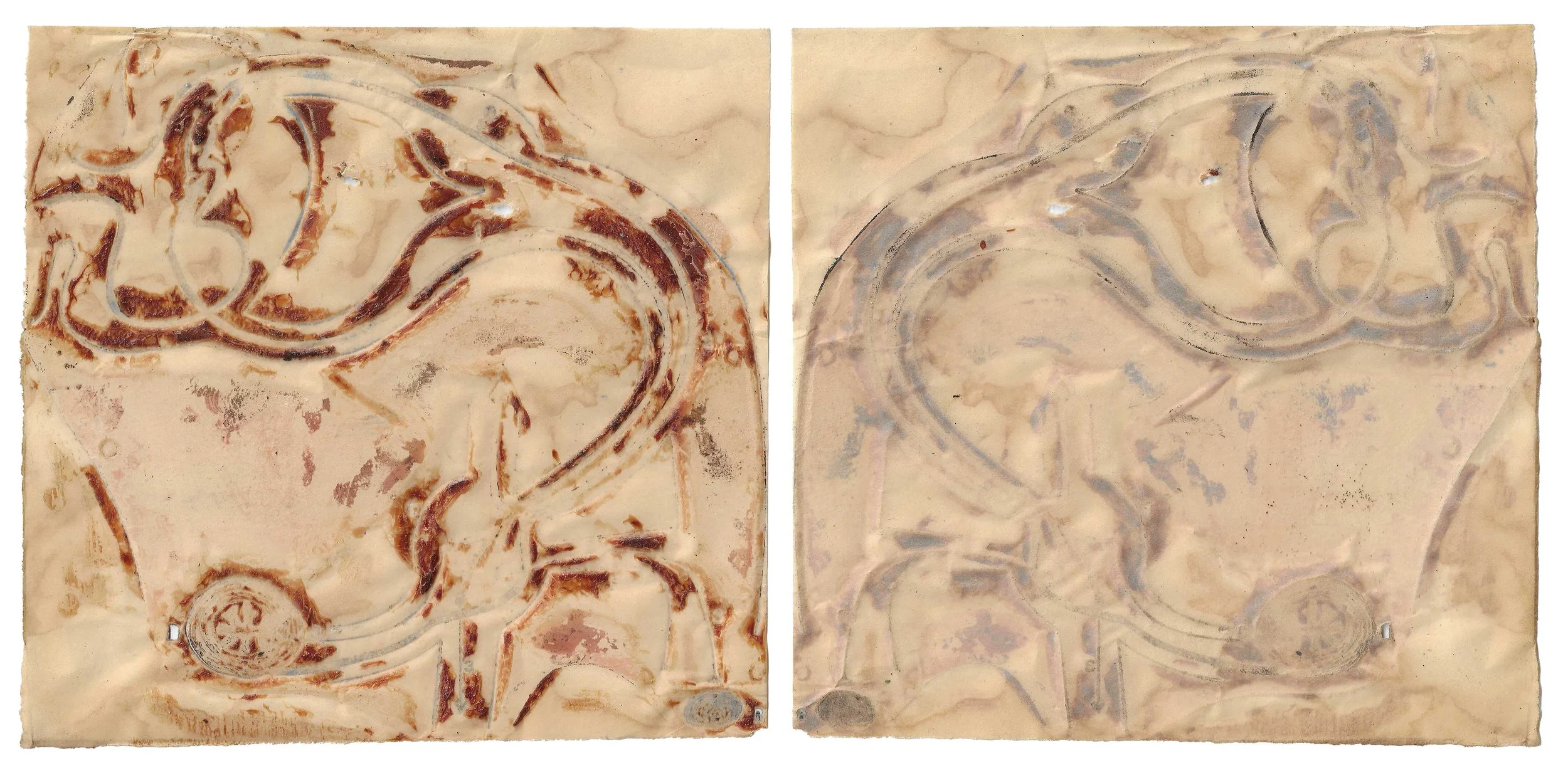
skin#43
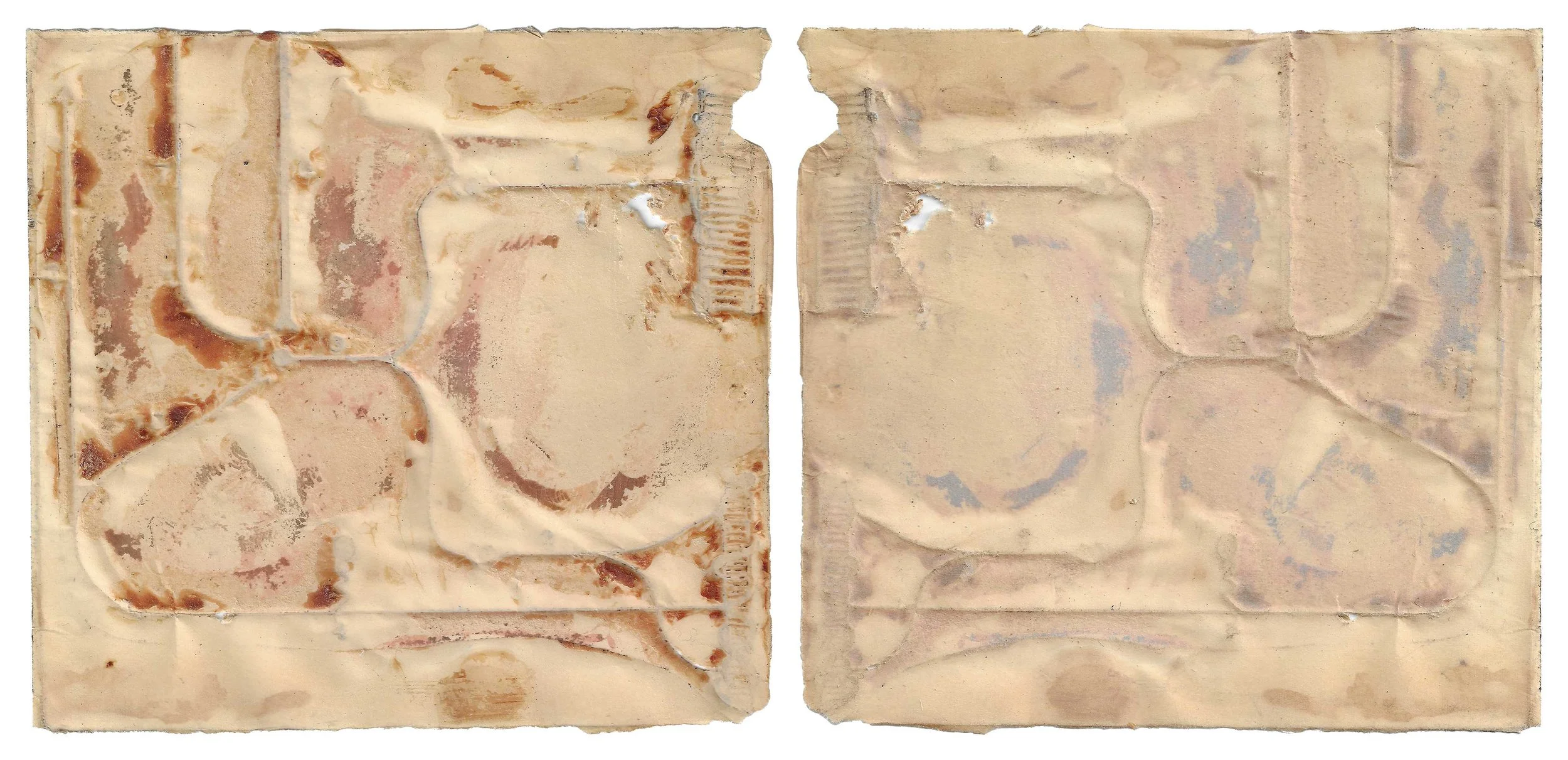
skin#44
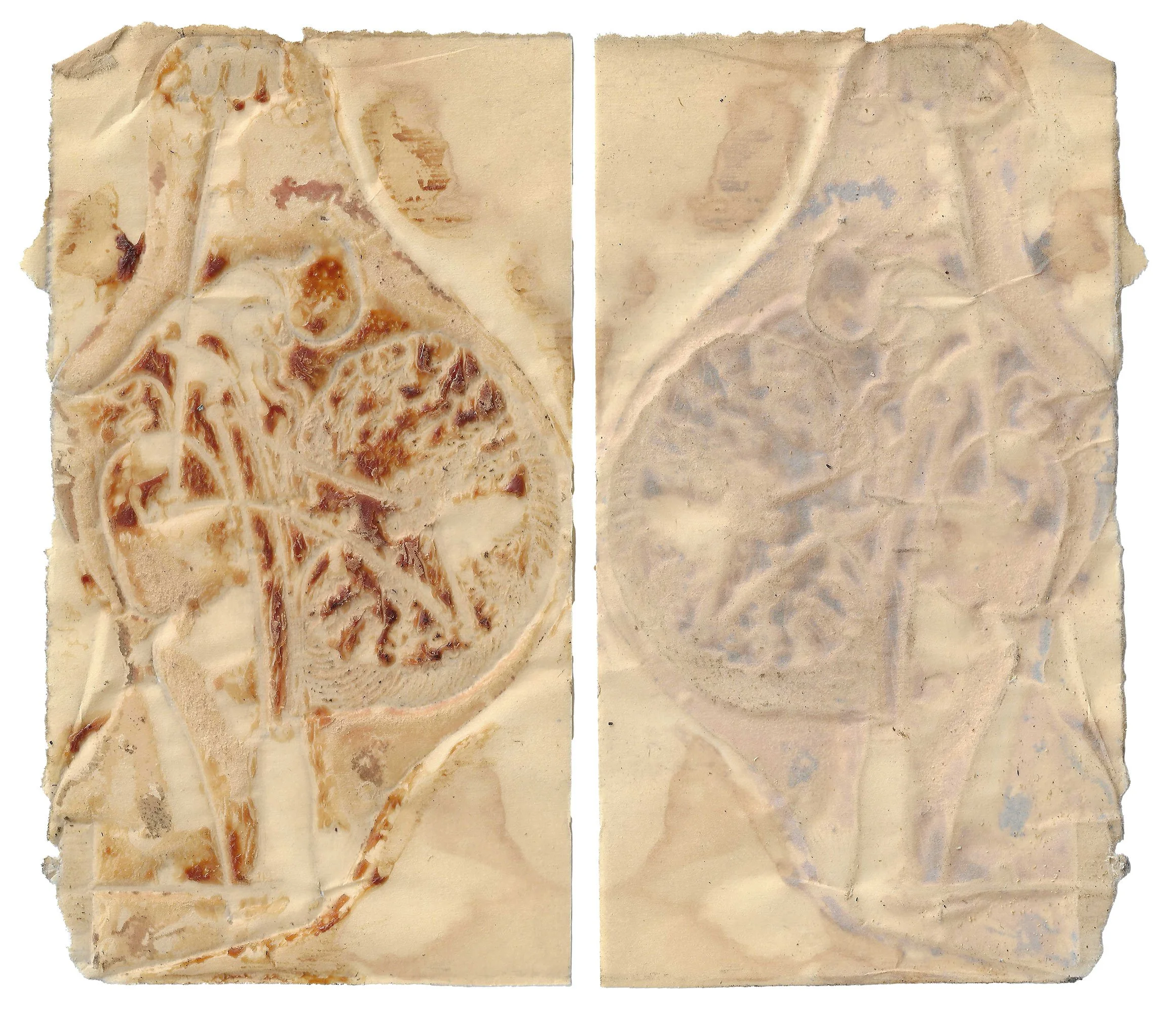
skin#45
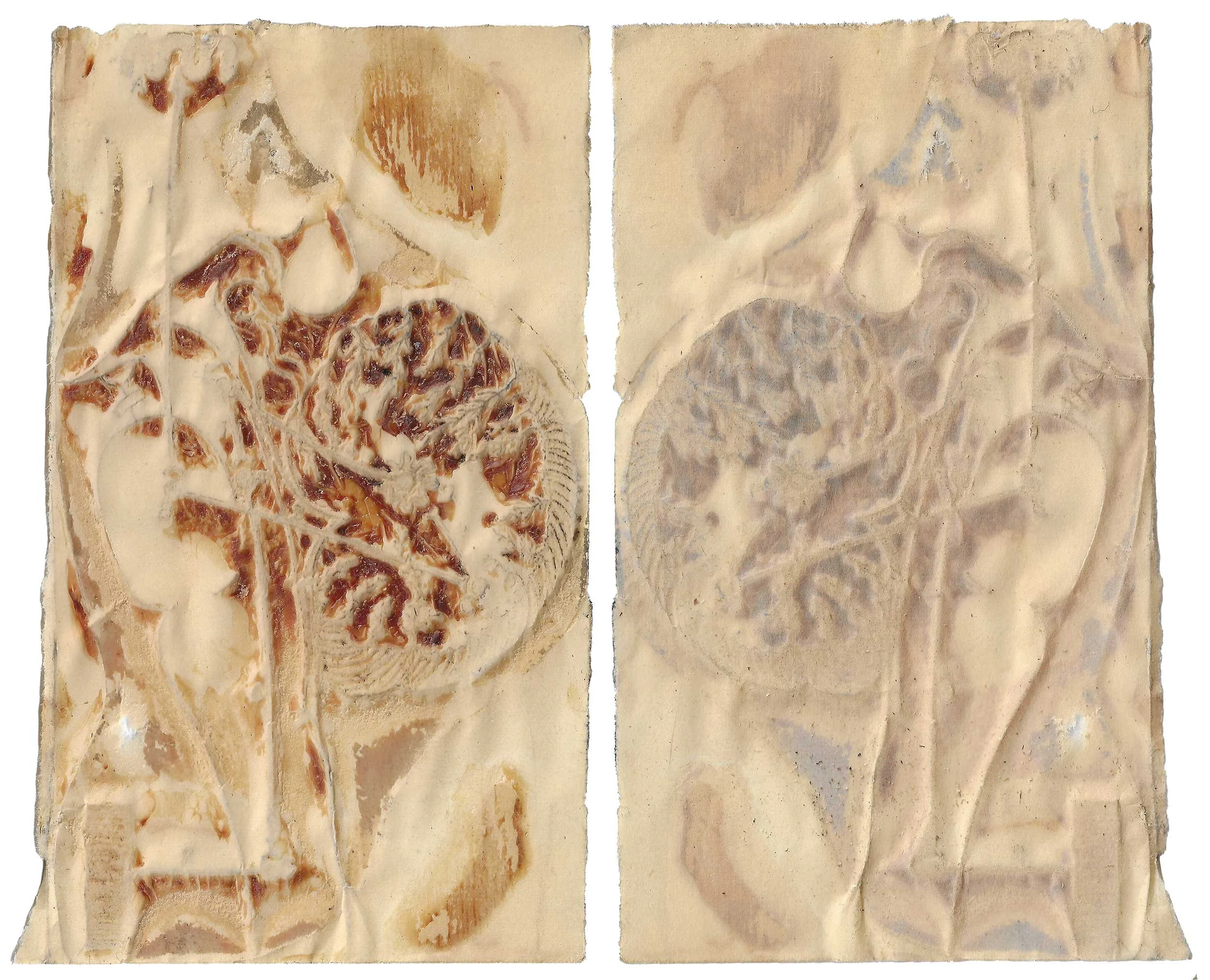
skin#46
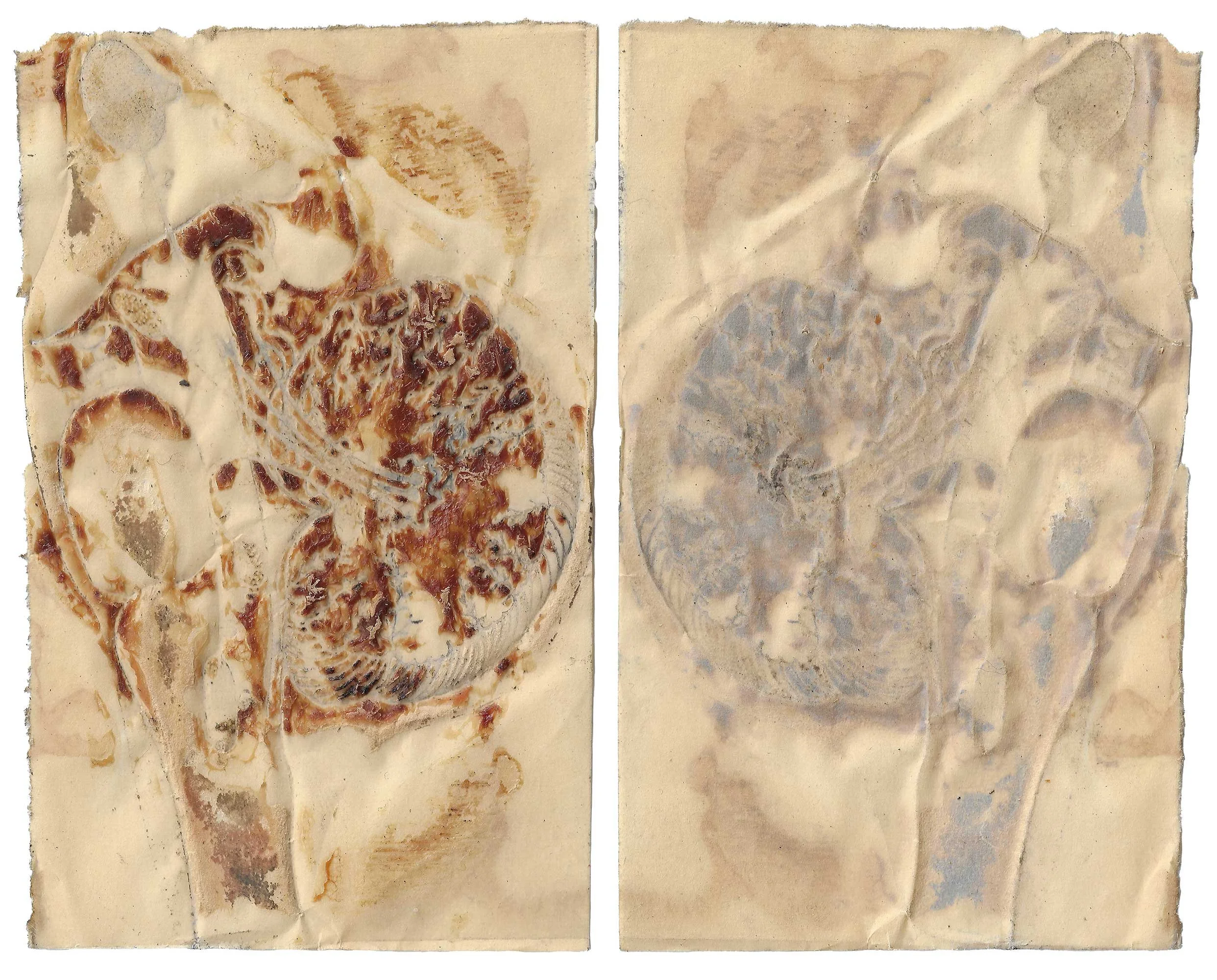
skin#47
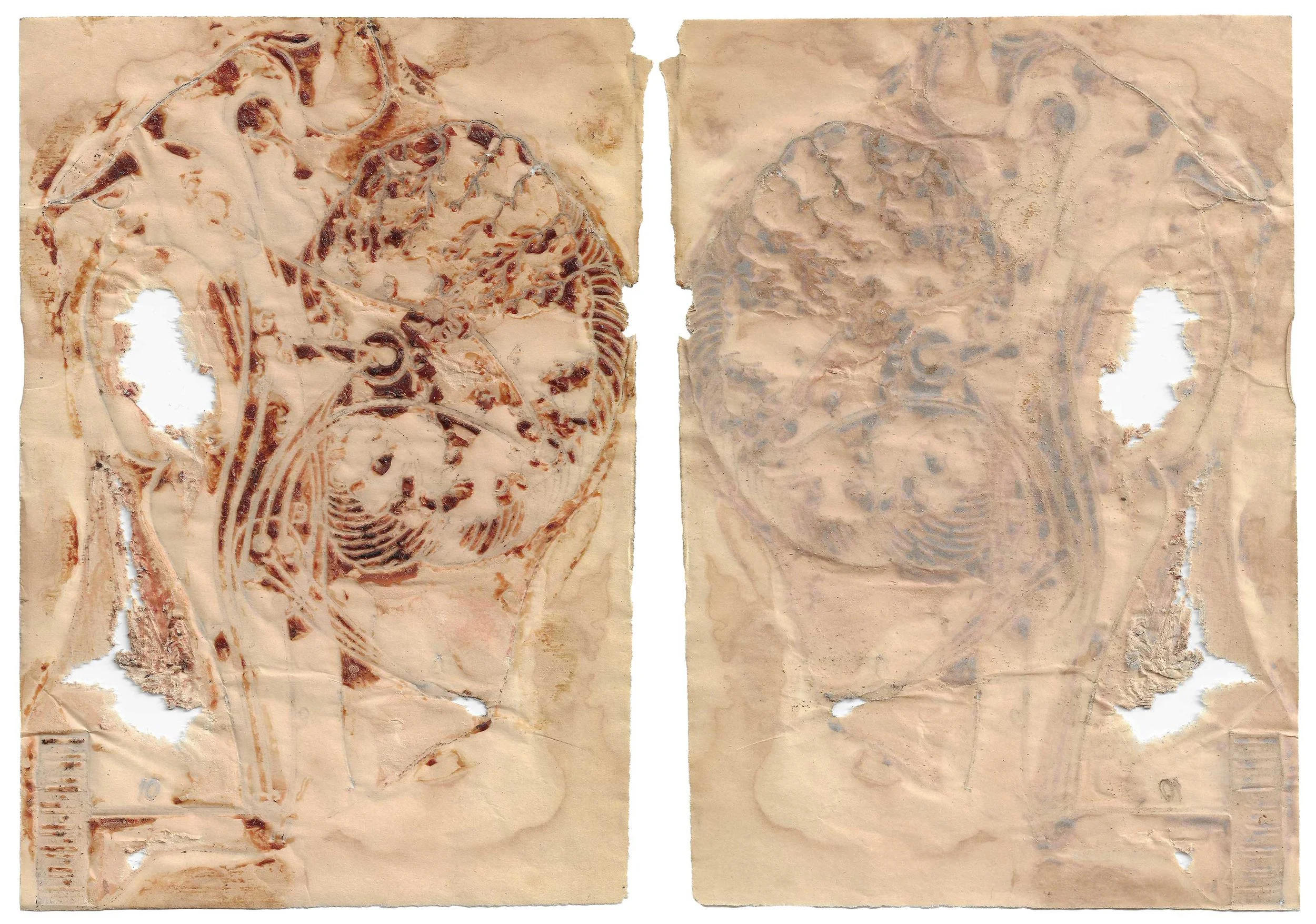
skin#48
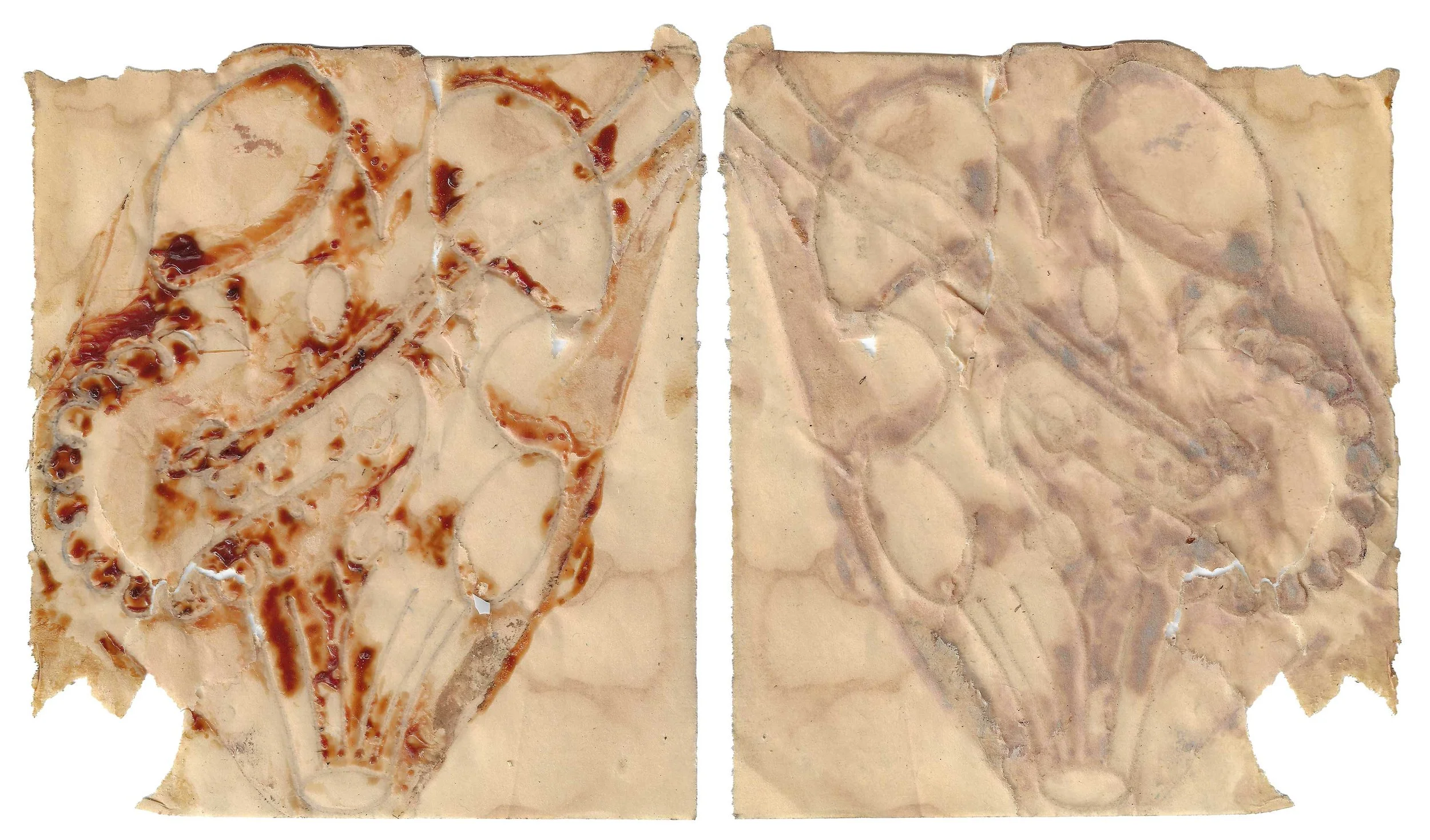
skin#49
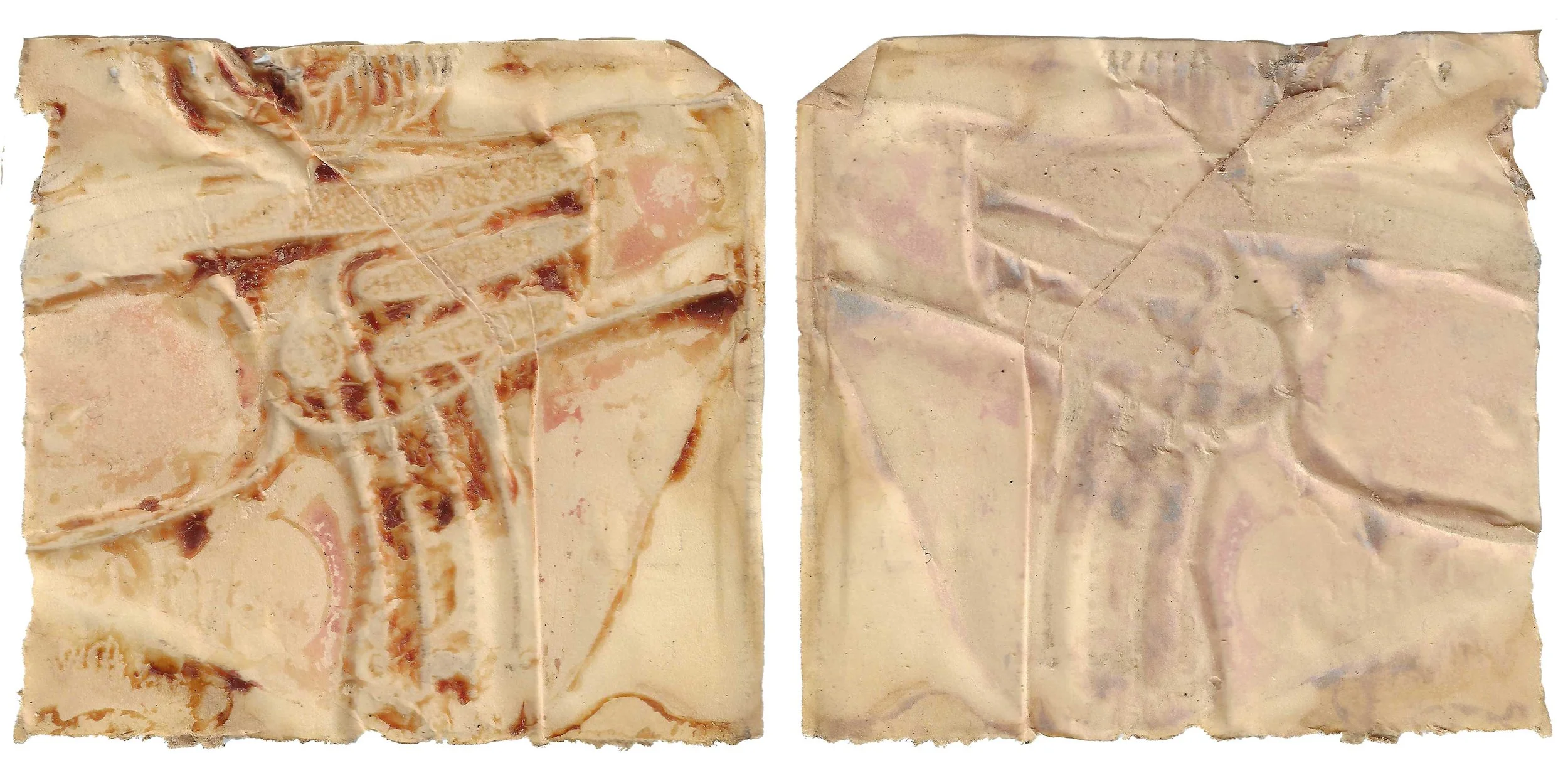
skin#50
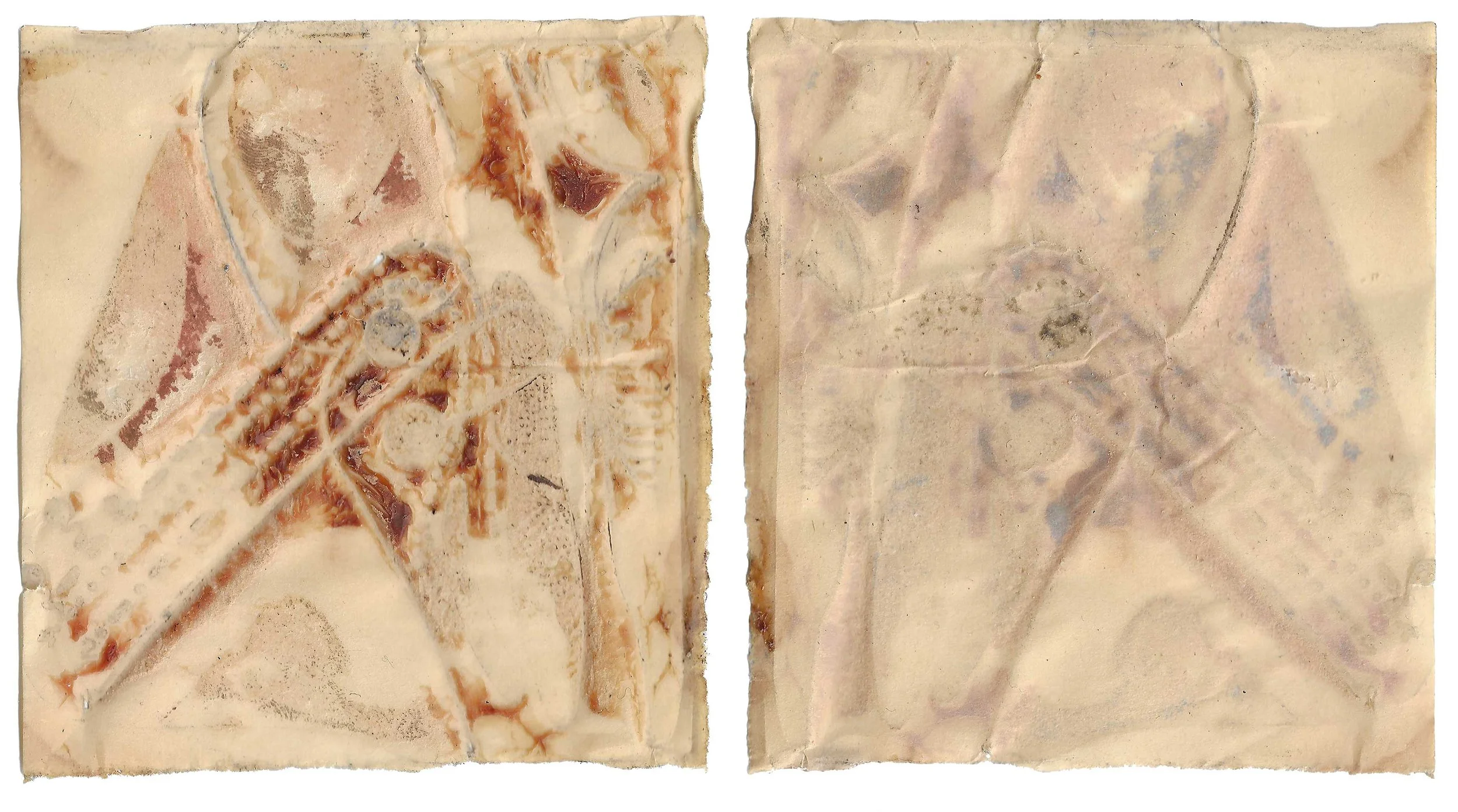
skin#51
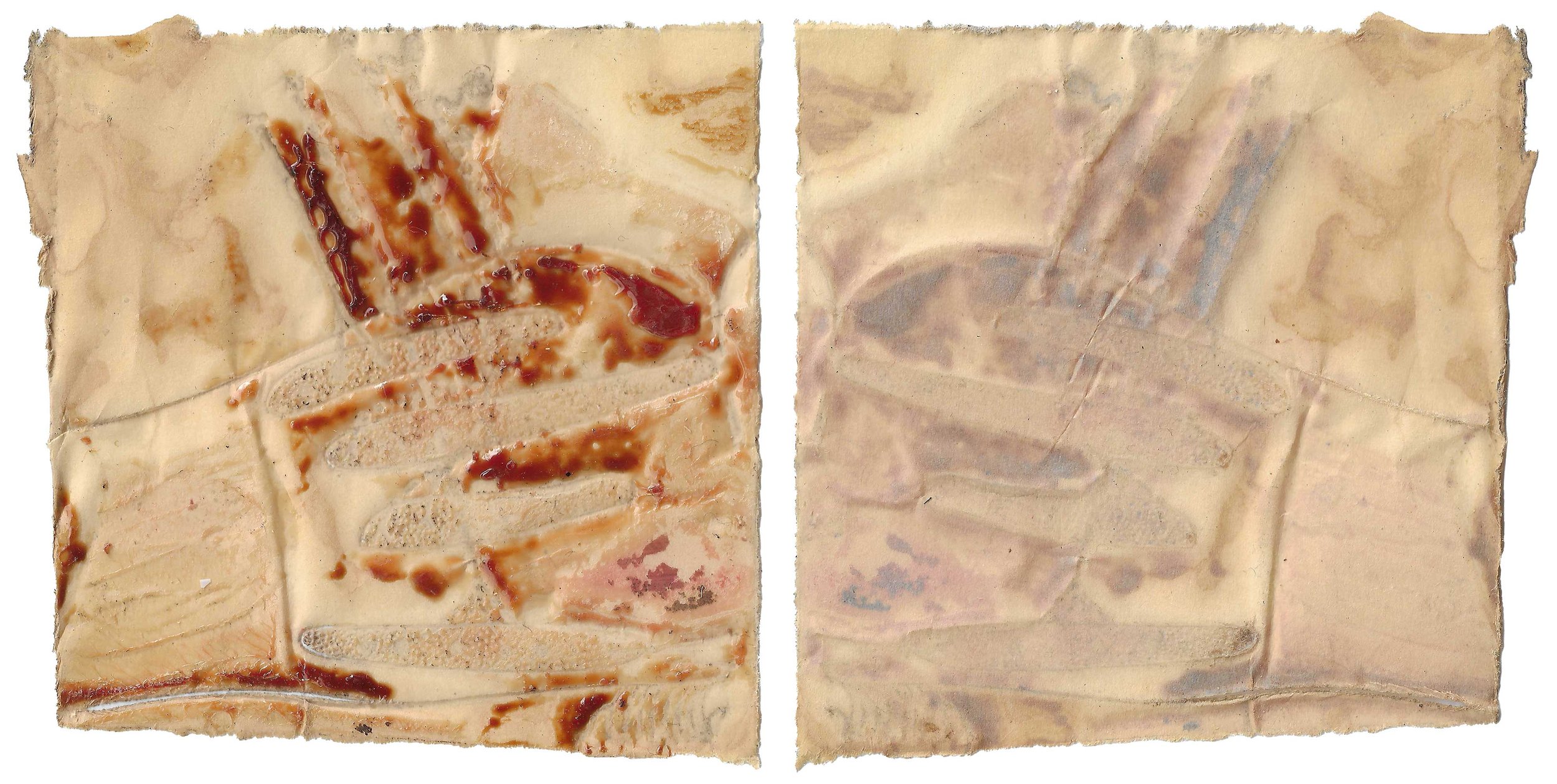
skin#52
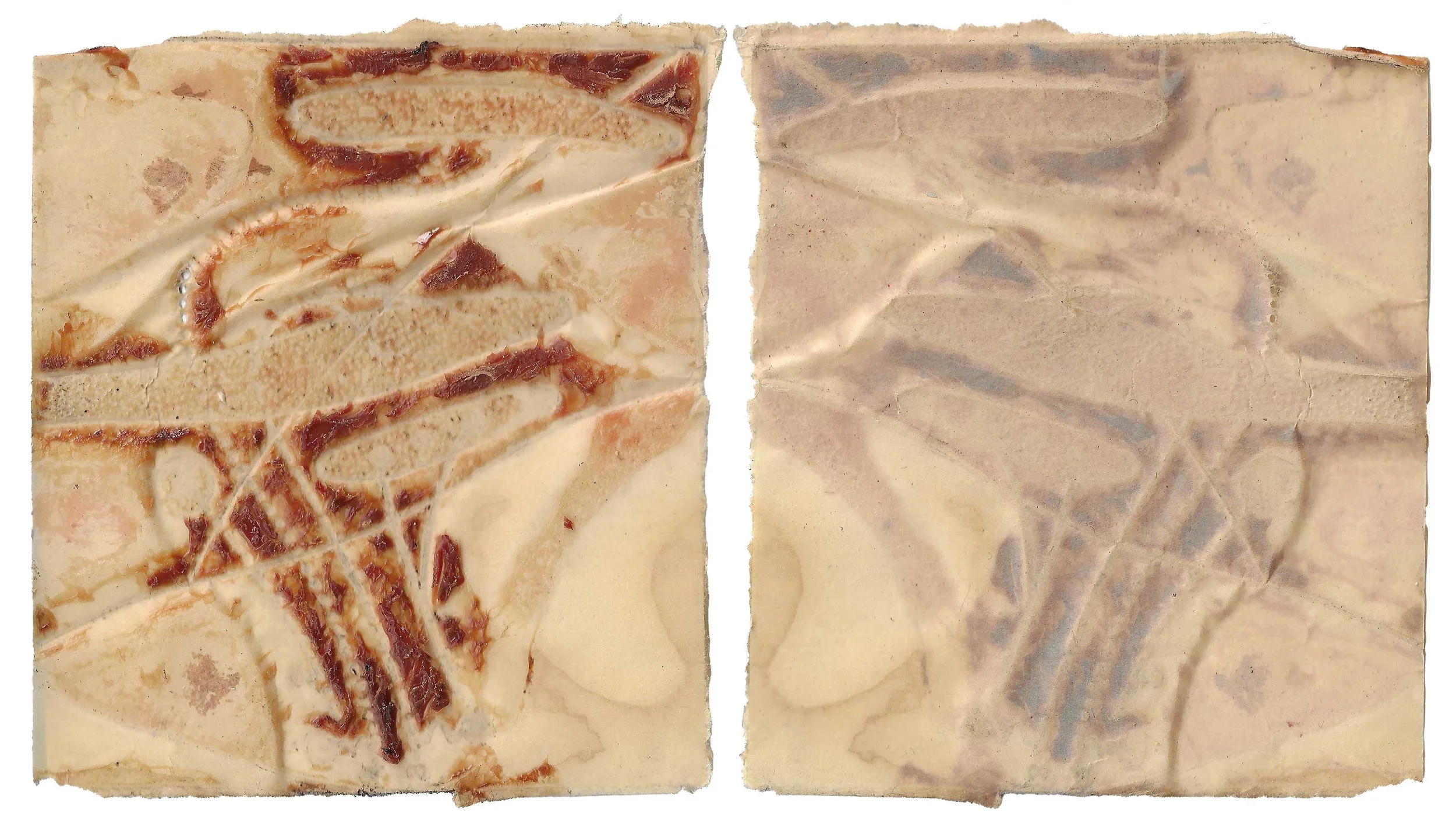
skin#53
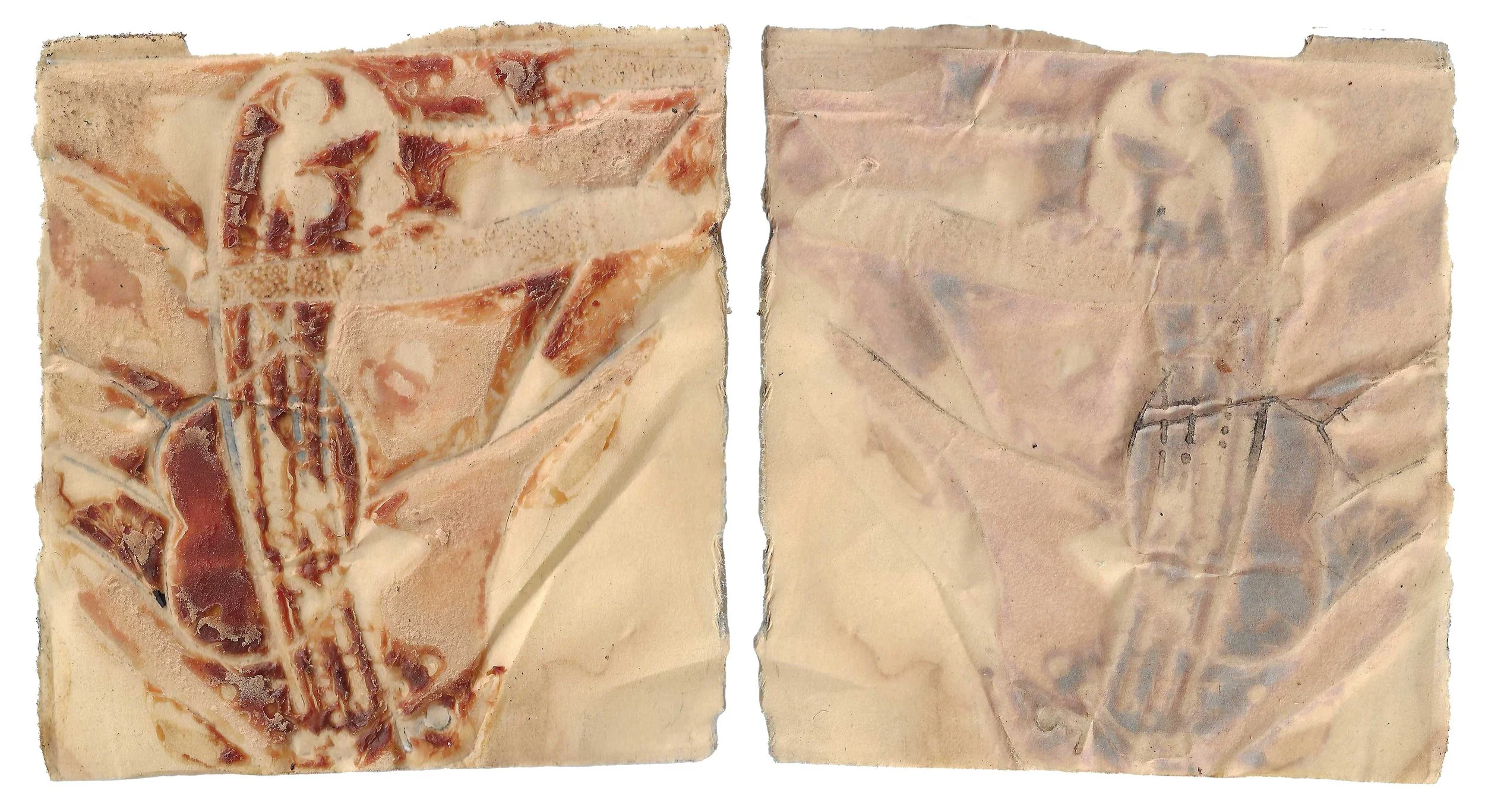
skin#54
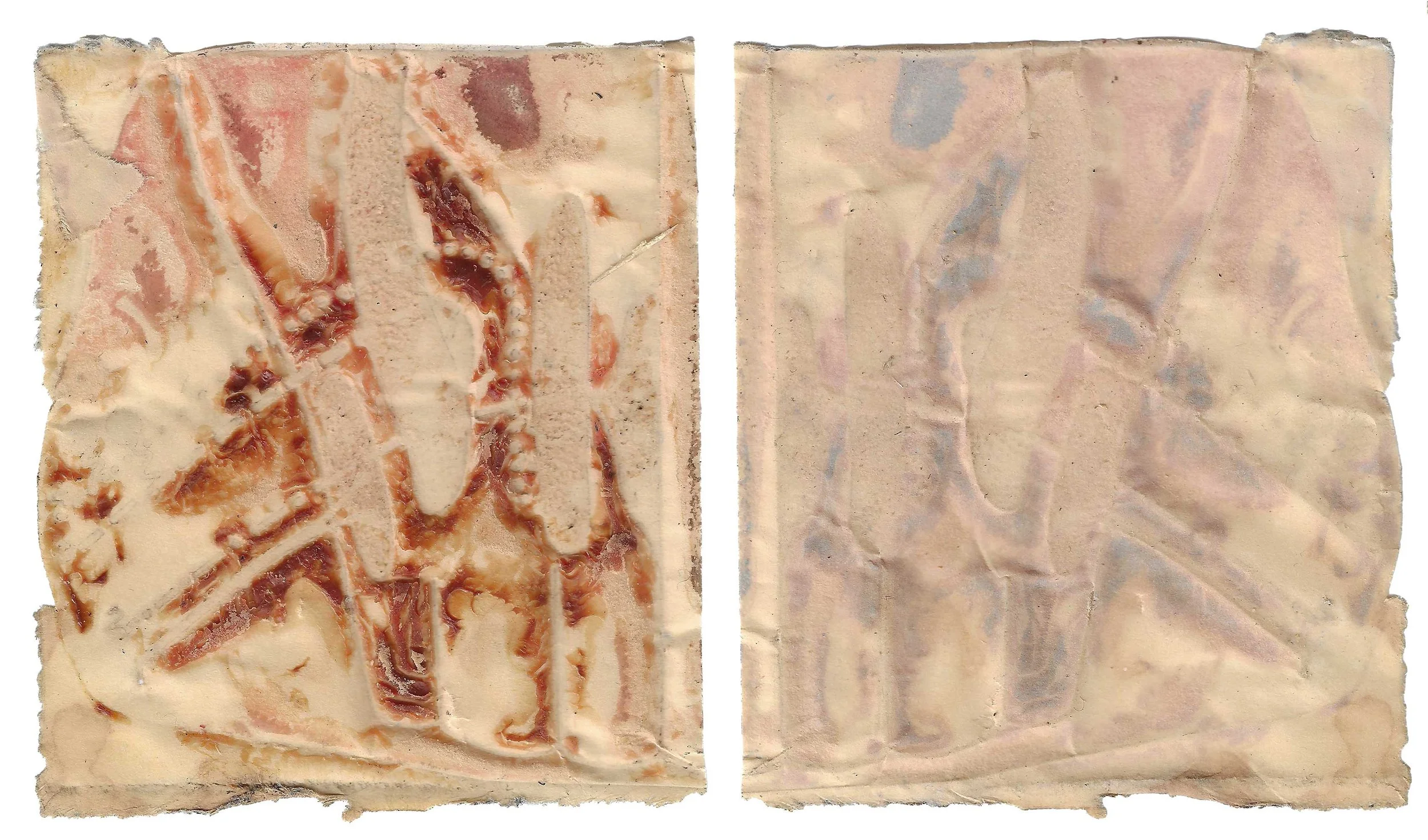
skin#55
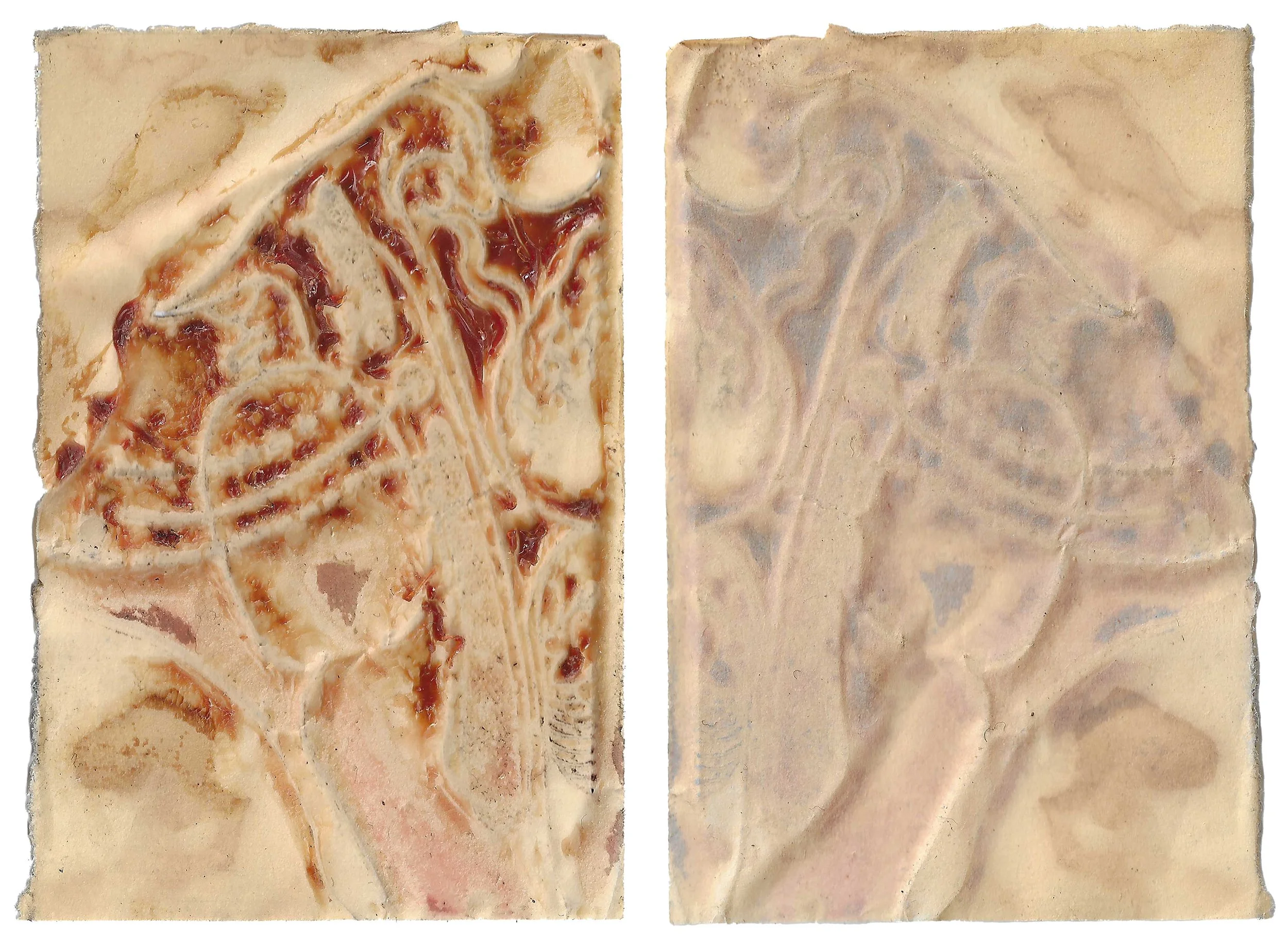
skin#56
skin#57
skin#58
skin#59
skin#60
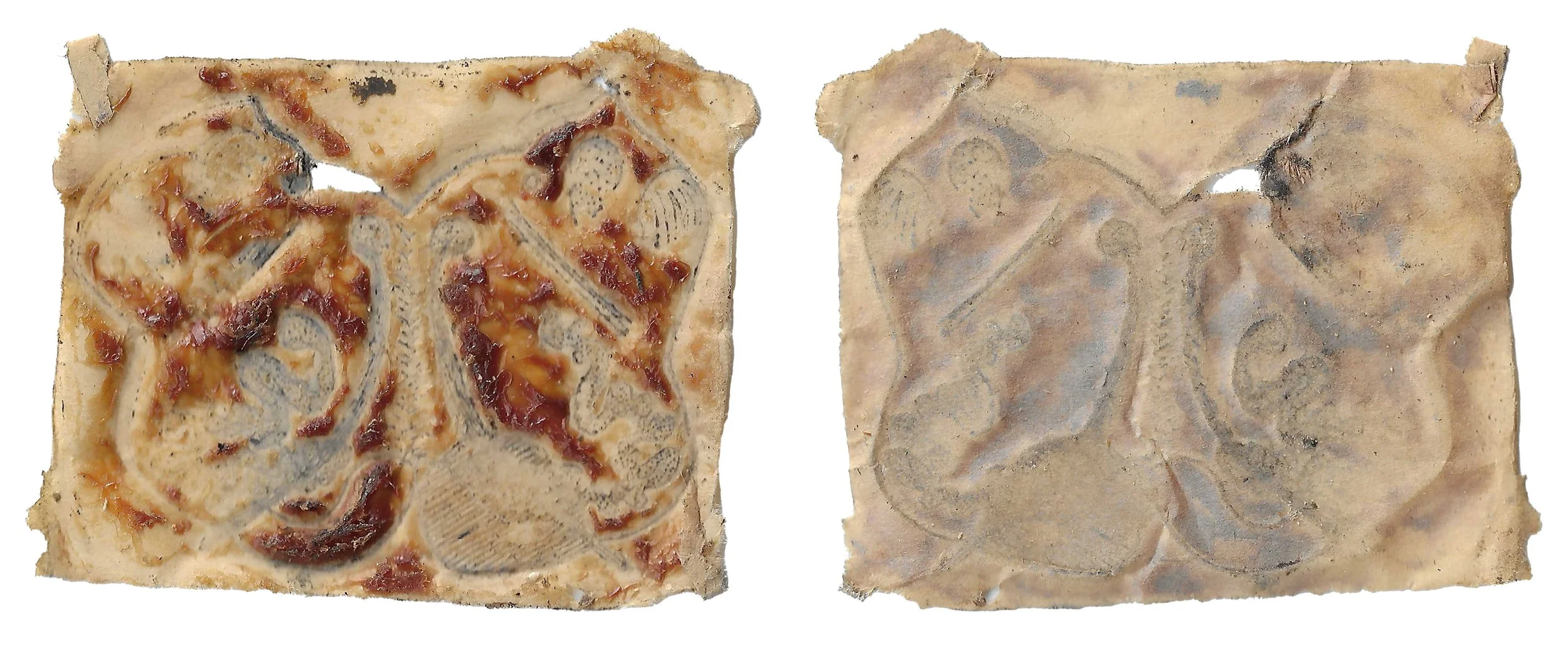
skin#61
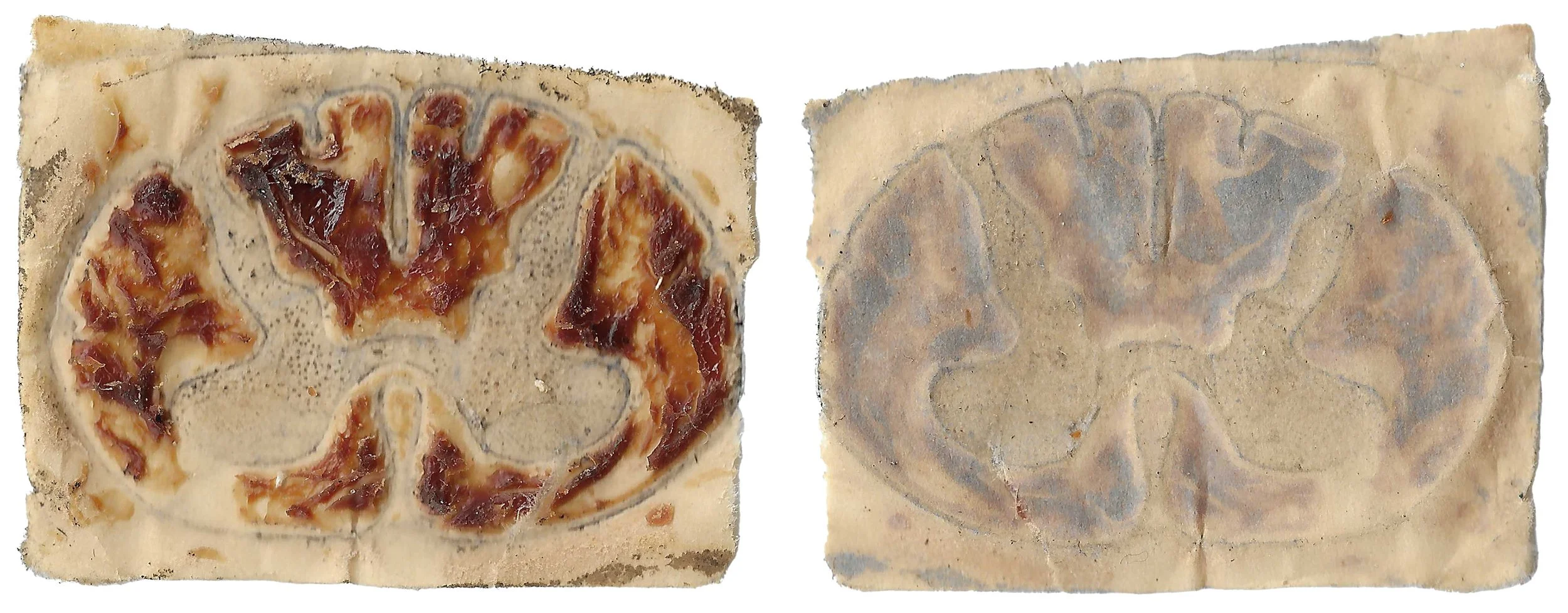
skin#62
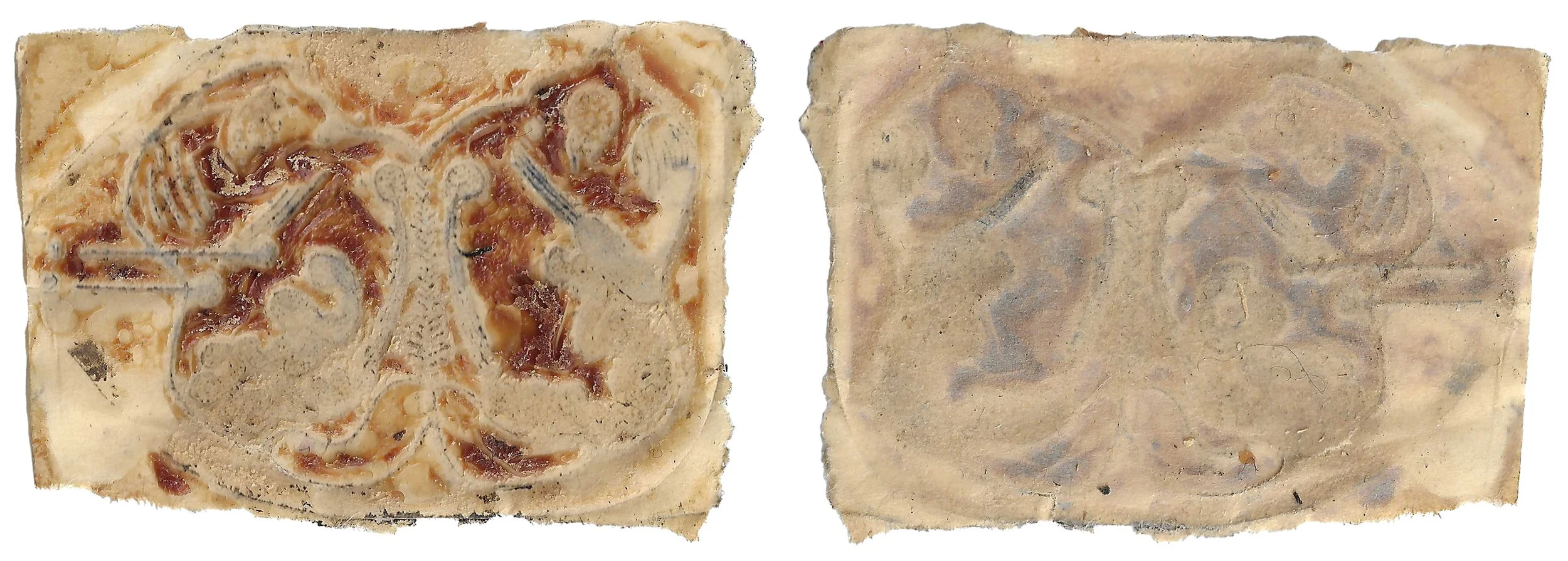
skin#63
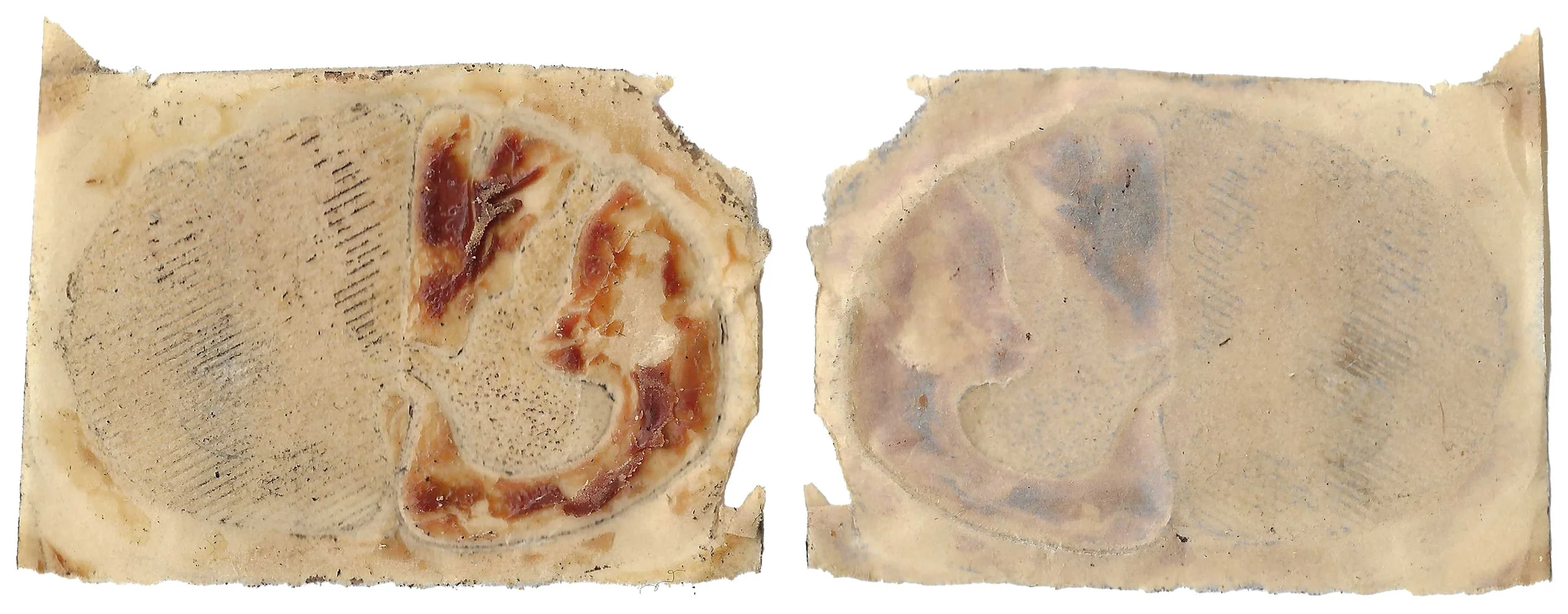
skin#64
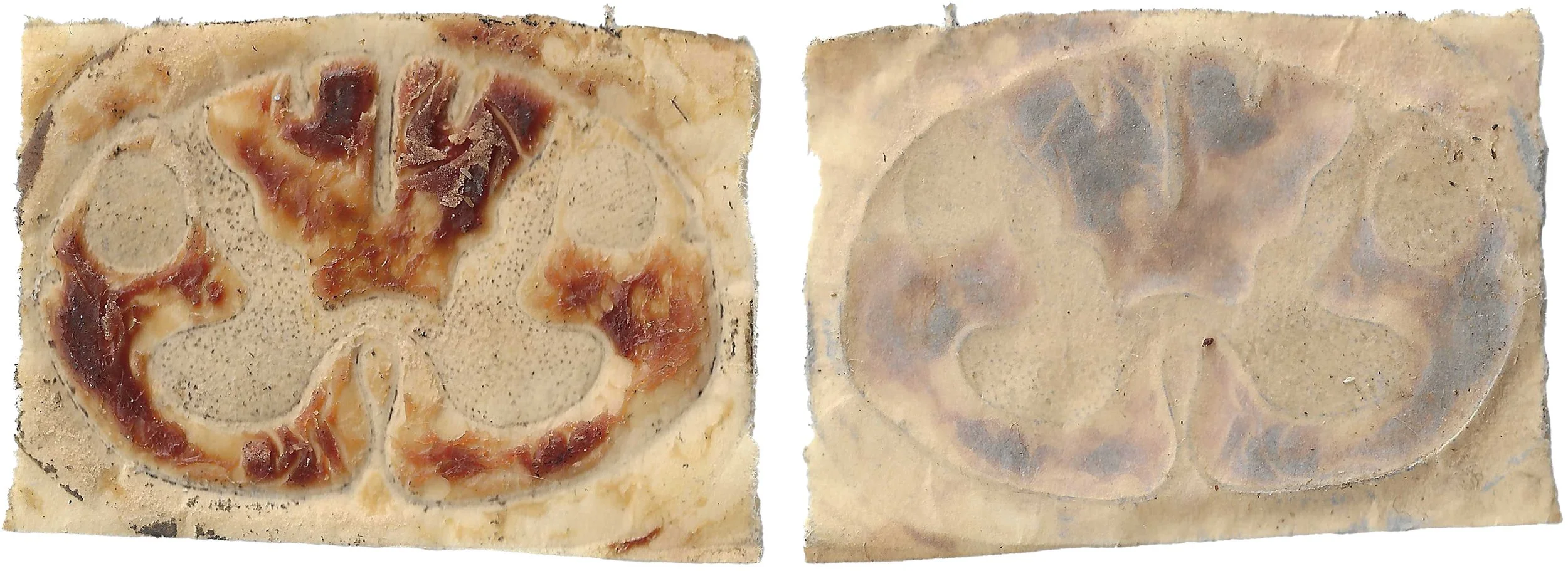
skin#65
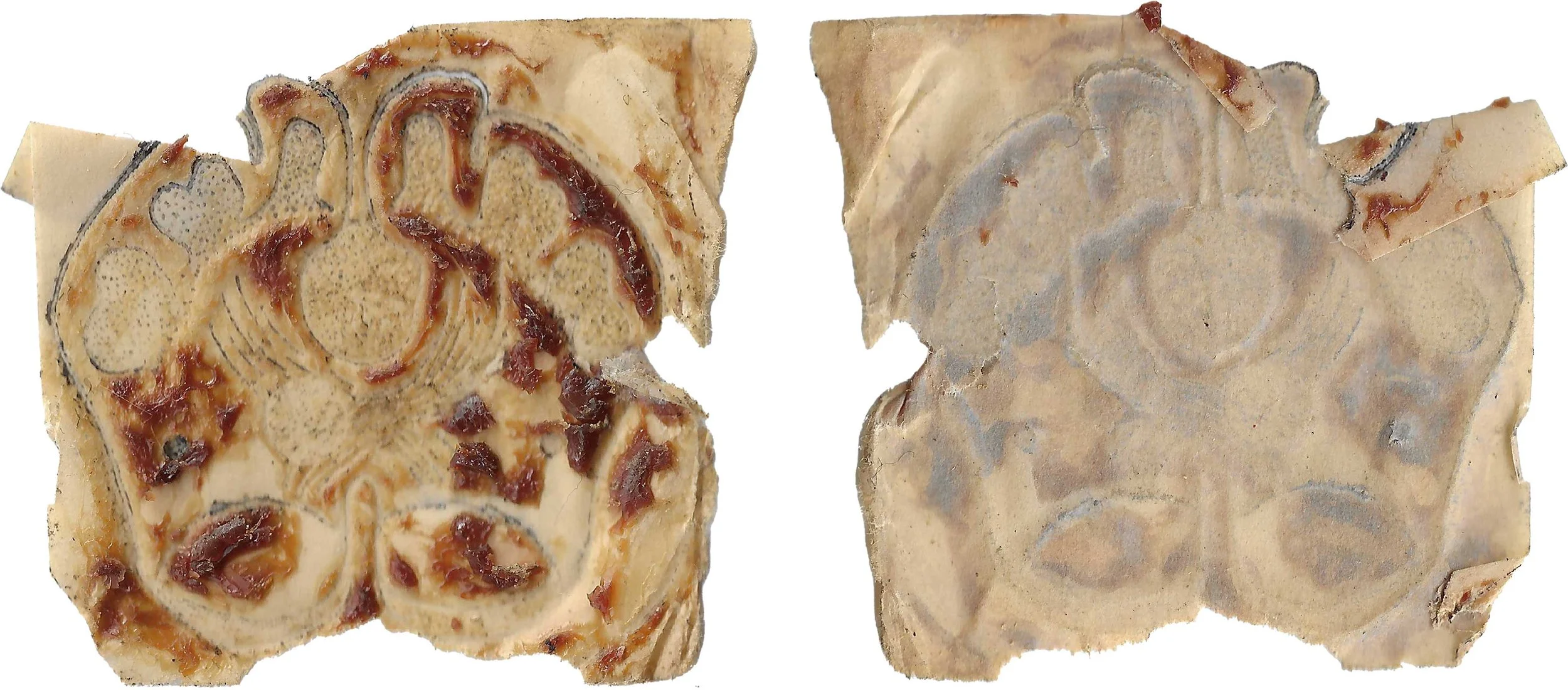
skin#66
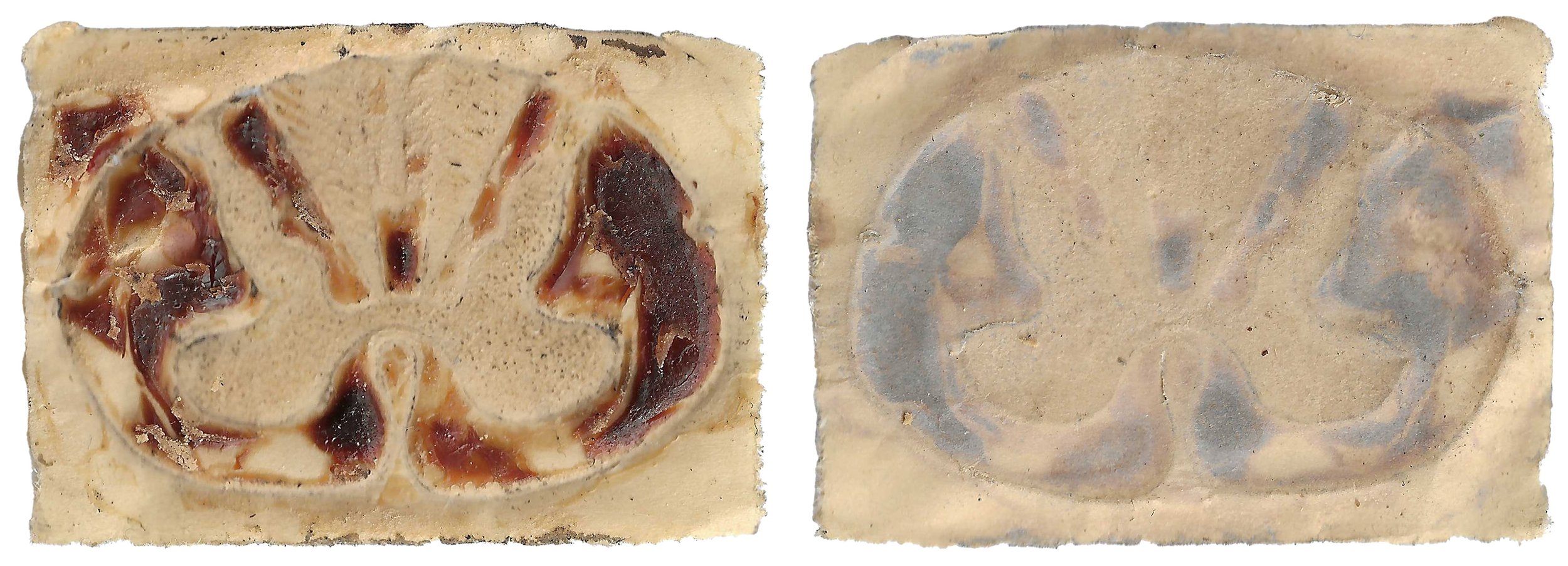
skin#67
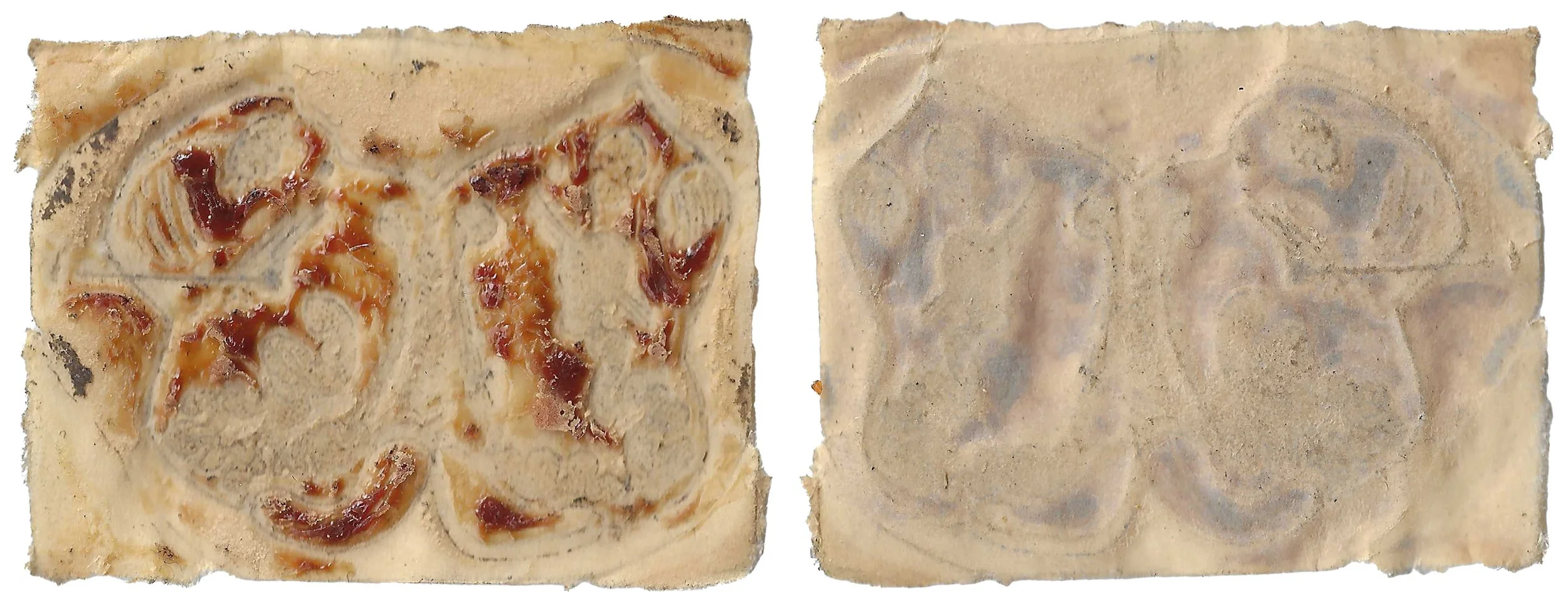
skin#68
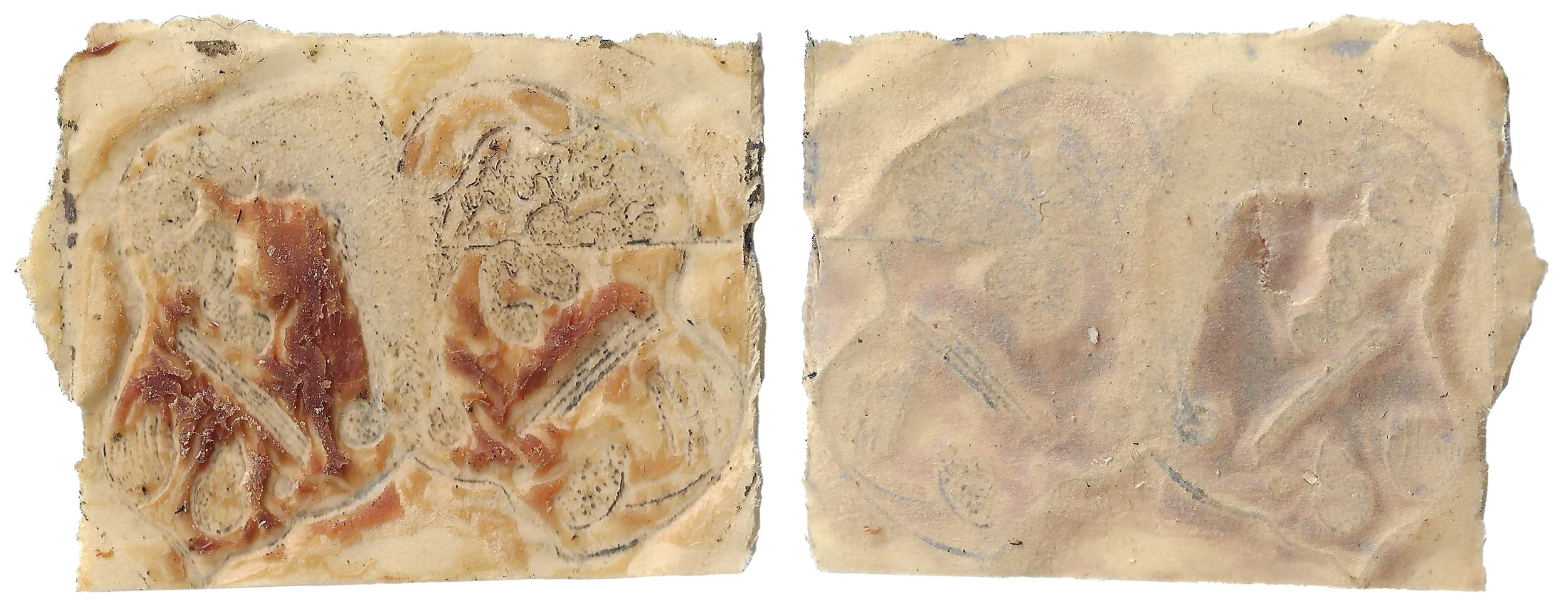
skin#69
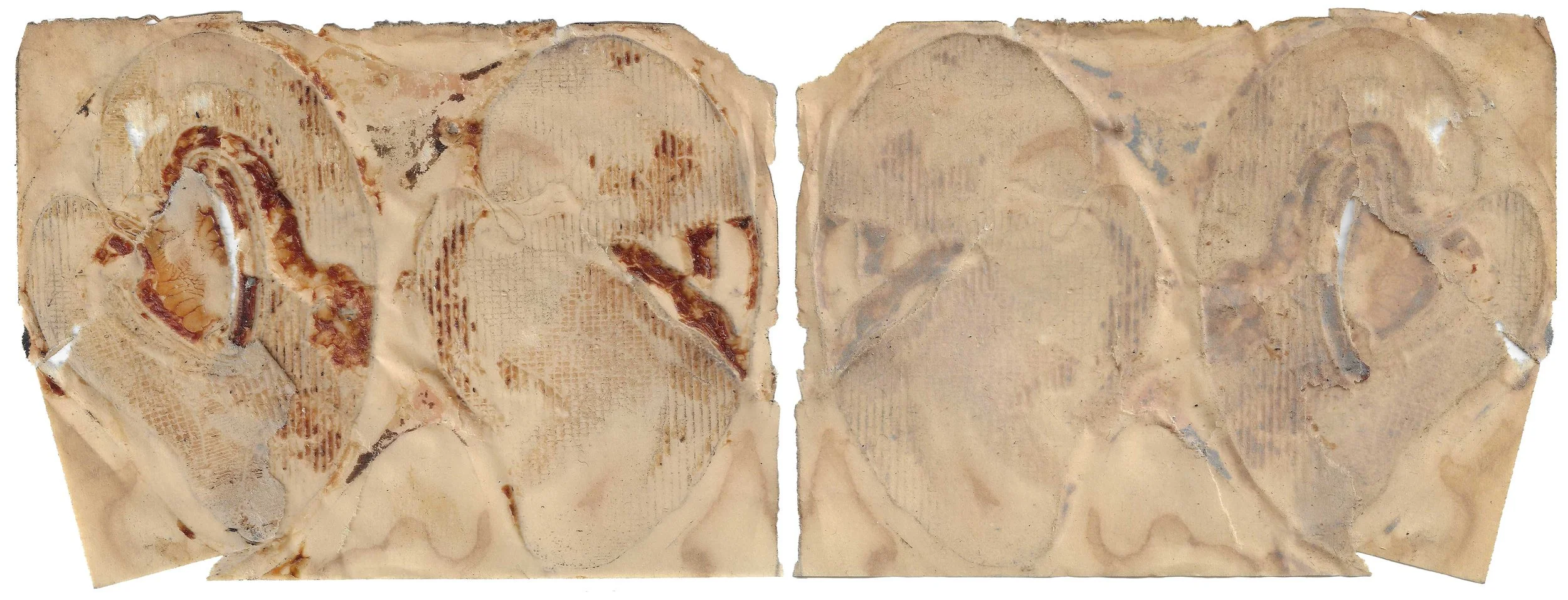
skin#70
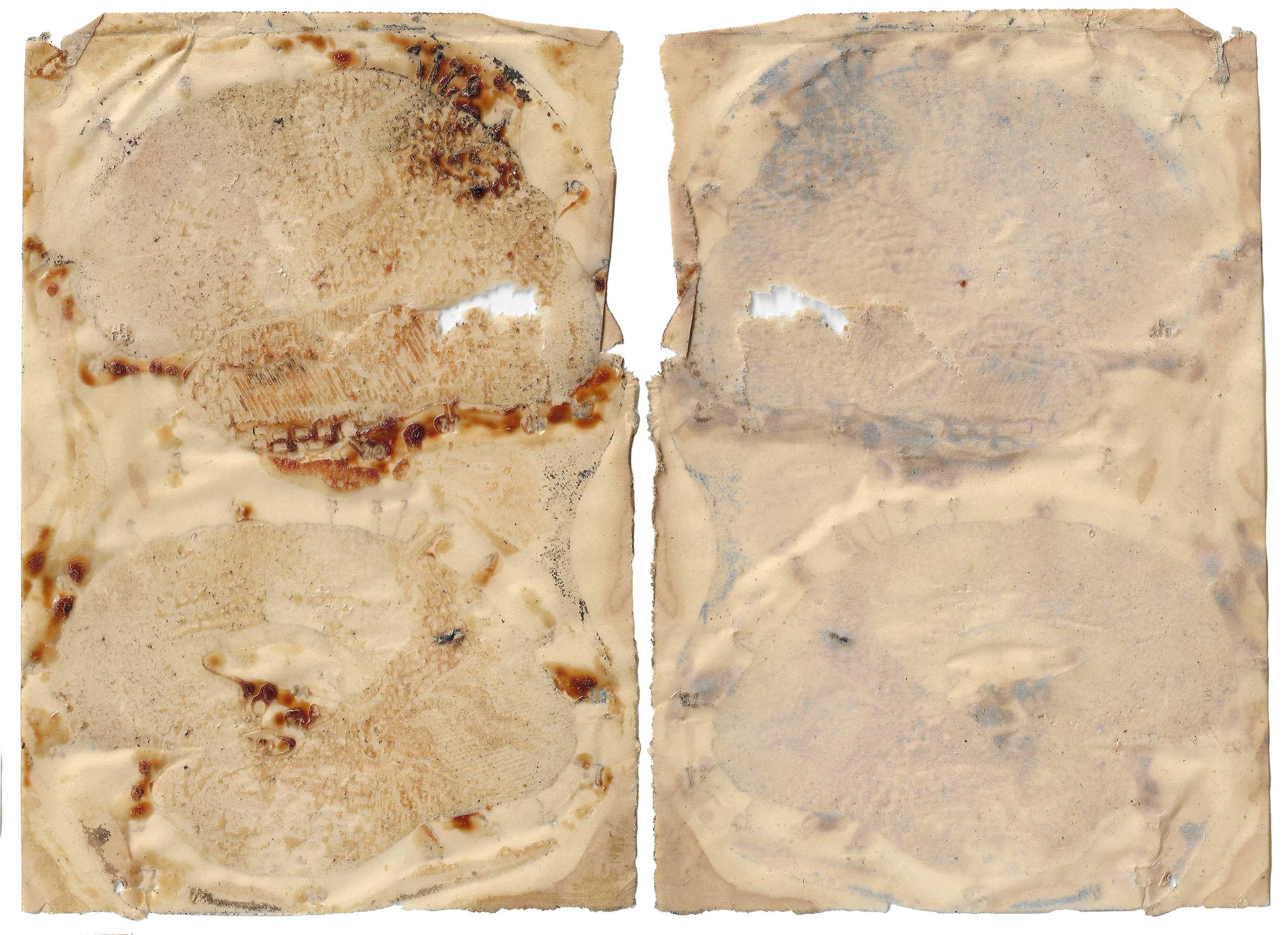
skin#71
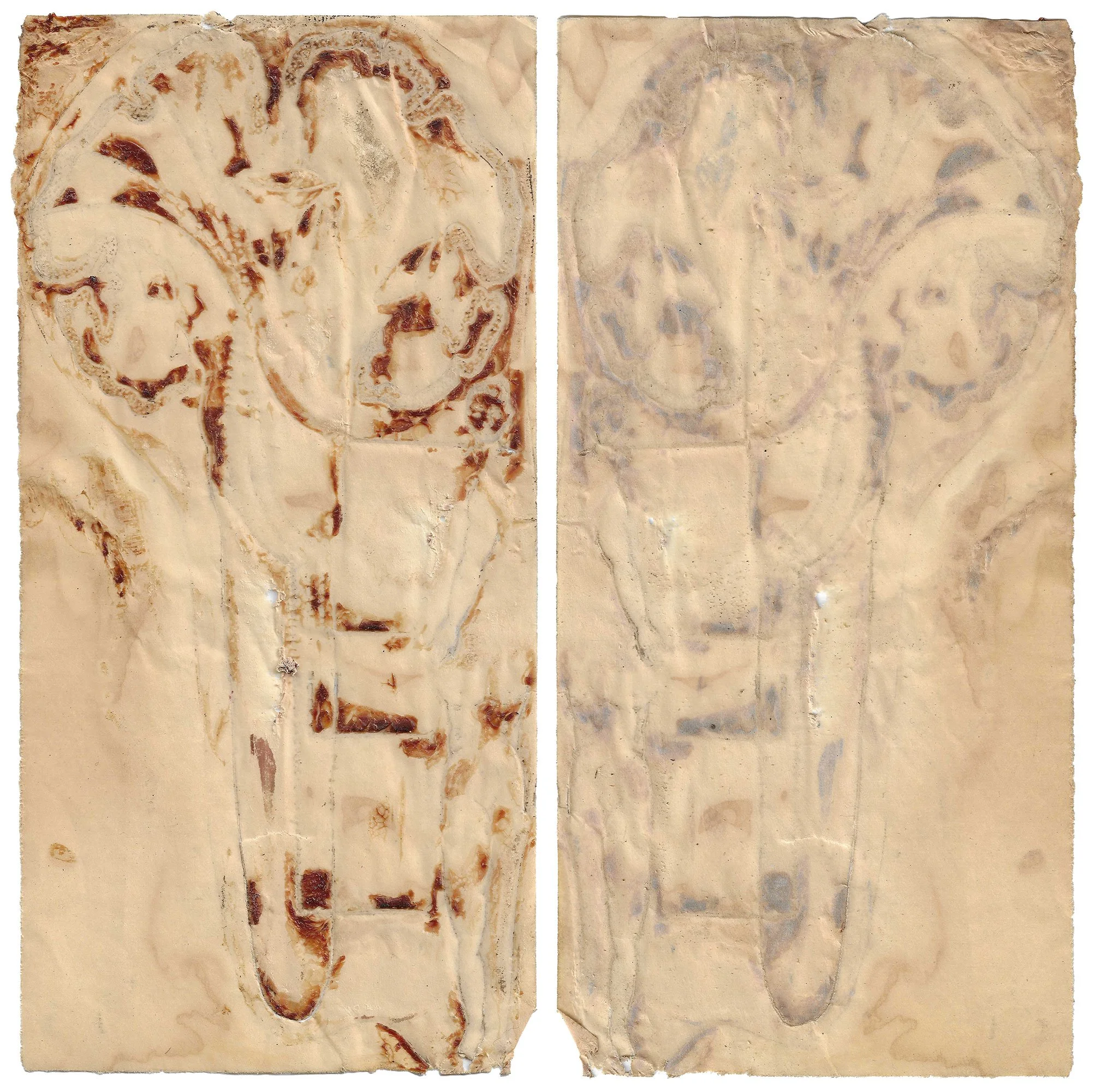
skin#72
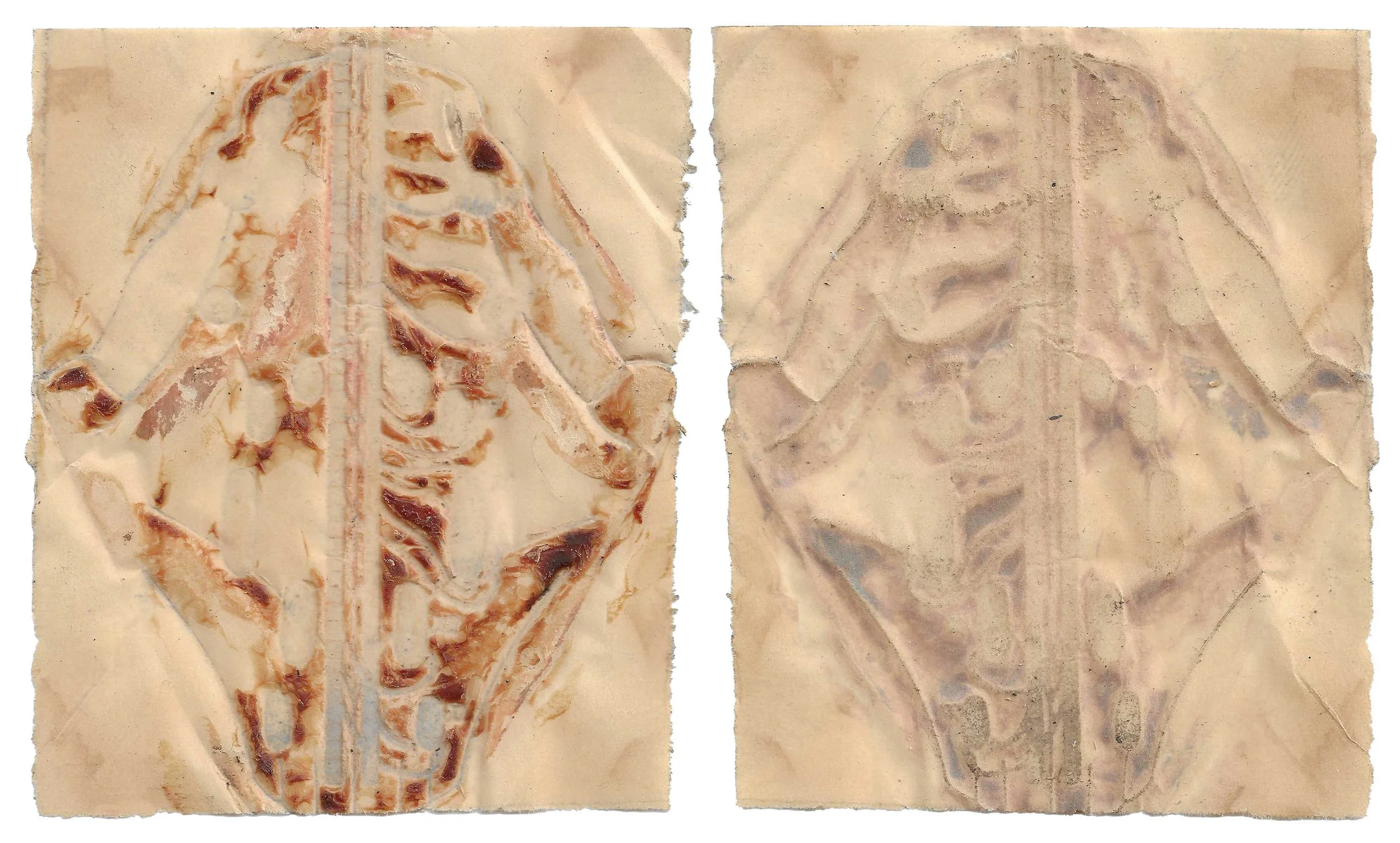
skin#73
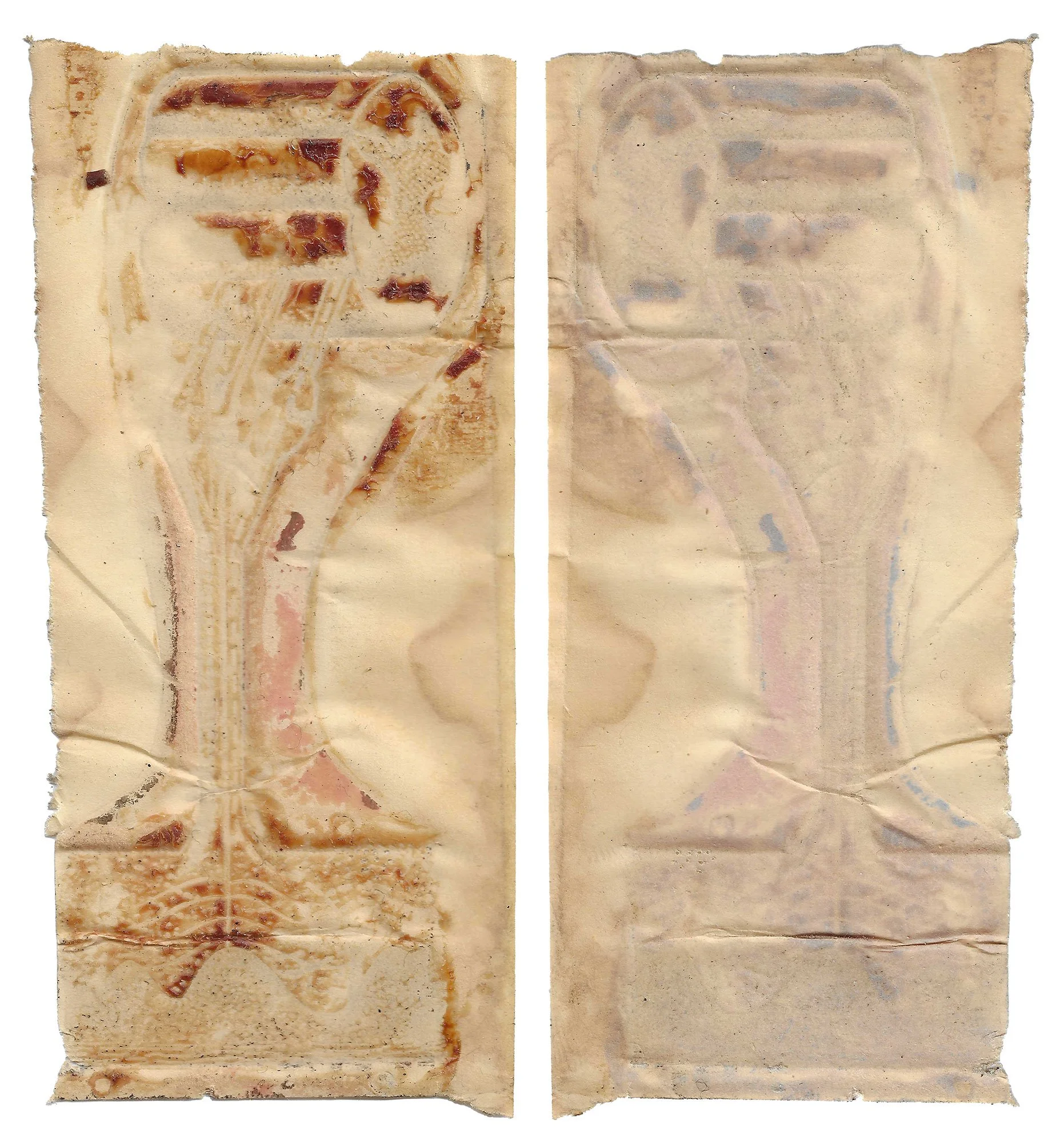
skin#74
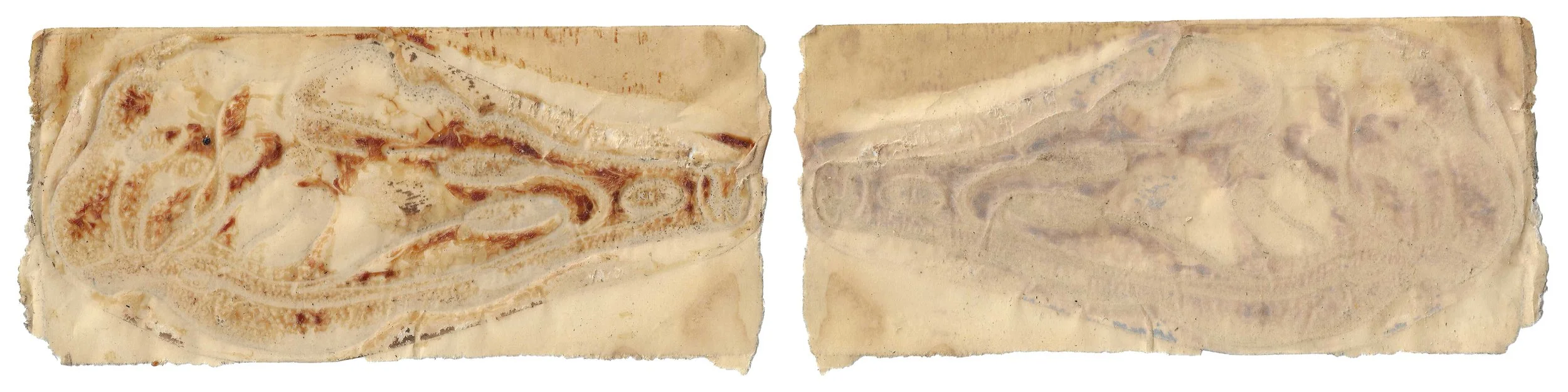
skin#75
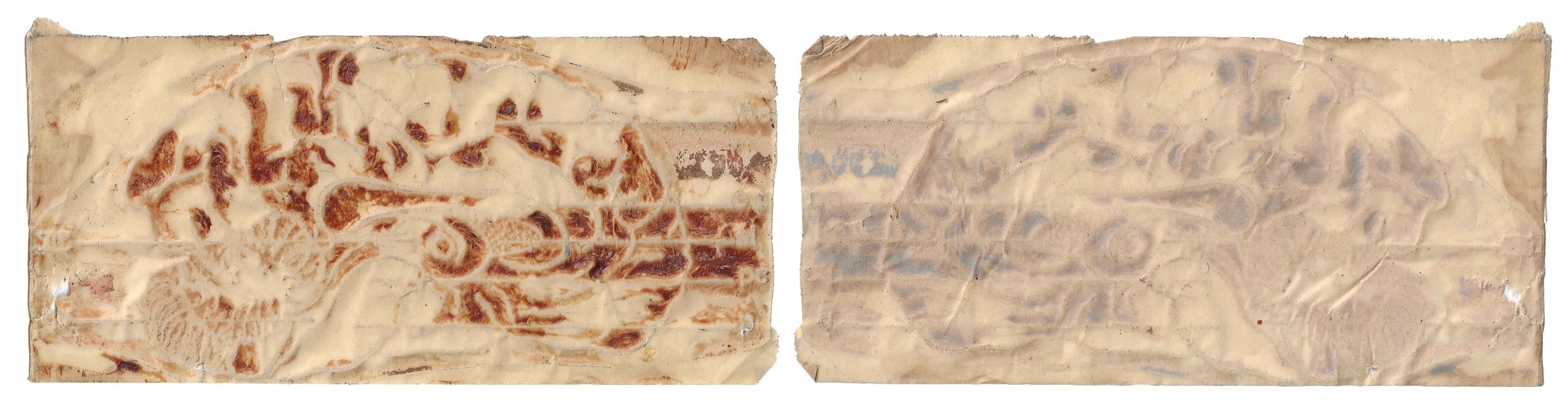
skin#76
skin#77
skin#78
skin#79
skin#80
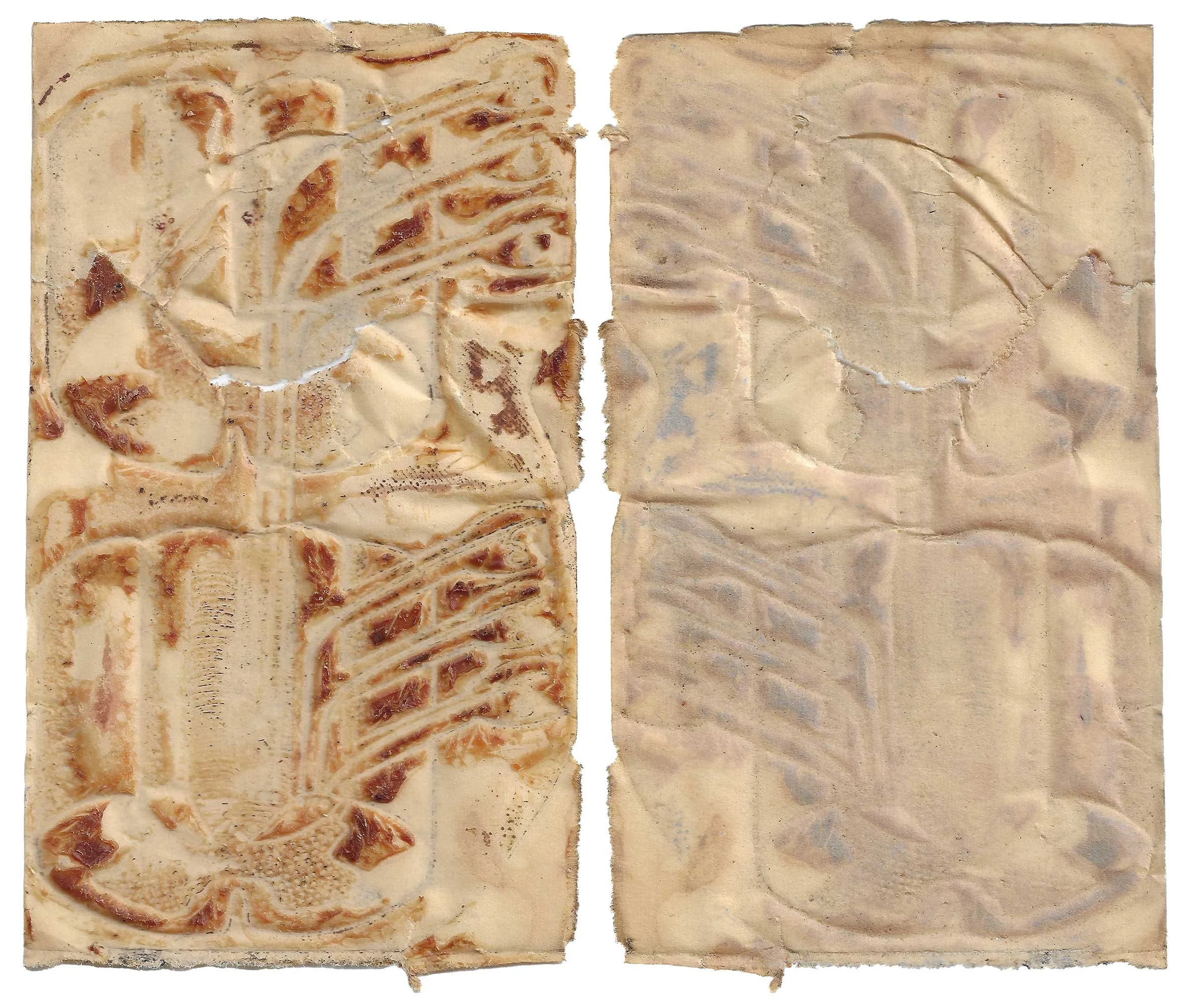
skin#81
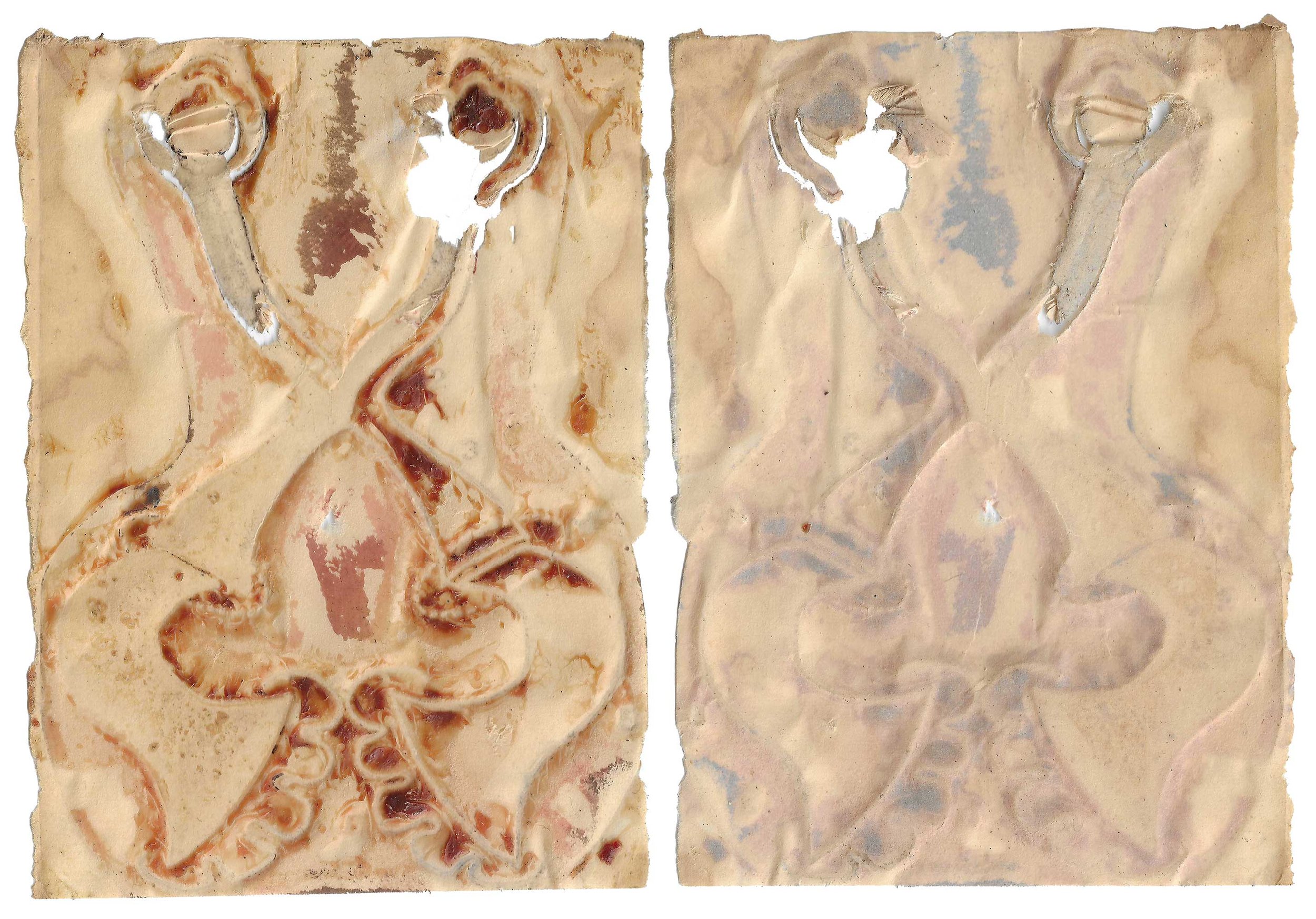
skin#82
Arquivo completo dos 82 papéis recolhidos durante a residência artística no GIMM/FMUL, sem incluir os exemplares rasgados ou deteriorados, uma vez que o seu estado impossibilitava a sua utilização neste projeto. Pode conhecer melhor o processo criativo deste trabalho nesta publicação do blog.
Complete archive of the 82 inprints collected during the artist residency at GIMM/FMUL, excluding torn or damaged items, as their condition made them unsuitable for use in this project. The creative process behind the work is explored further in this blog post.